Acne Treatment for Combination Skin: What Works
Acne is a common skin concern affecting people of all ages, and finding the right treatment can be challenging—especially for those with combination skin. Combination skin, characterized by an oily T-zone (forehead, nose, and chin) and drier cheeks, requires a balanced approach to effectively manage breakouts without over-drying or irritating the skin. For readers searching for Acne Treatment in Oman, understanding the best practices, ingredients, and lifestyle strategies can make a significant difference in achieving clearer, healthier skin.
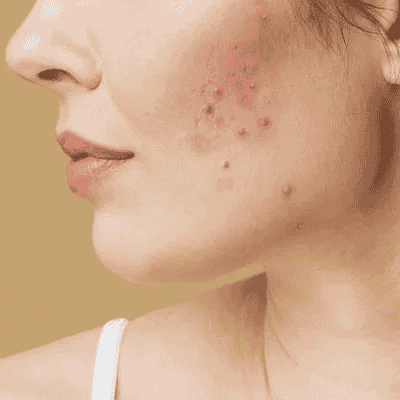
Understanding Combination Skin and Acne
Combination skin is unique because it exhibits two different skin types simultaneously. The oily areas are prone to clogged pores and acne breakouts, while the drier areas can become irritated by harsh treatments. Acne occurs when hair follicles become clogged with oil, dead skin cells, and bacteria, leading to whiteheads, blackheads, or inflamed pimples. People with combination skin often face the challenge of treating oily zones without worsening dryness in other areas.Understanding these dynamics is key to selecting the right products and routines. A targeted approach allows for effective acne control while maintaining overall skin health.
Common Causes of Acne in Combination Skin
Acne can appear due to a variety of factors, including hormonal fluctuations, diet, stress, and environmental influences. For combination skin, the following are particularly relevant:
- Excess Oil Production: The T-zone often produces more sebum, which can clog pores and lead to blackheads and pimples.
- Dehydration of Dry Areas: Over-washing or using strong treatments on dry areas can cause irritation and exacerbate acne indirectly by triggering excess oil production.
- Hormonal Changes: Hormones, especially during adolescence, menstruation, or stress, can increase sebum production.
- Diet and Lifestyle: High-glycemic foods, dairy products, and insufficient water intake can aggravate acne.
- Environmental Factors: Hot climates, humidity, and pollution can worsen oiliness and inflammation.
Understanding these triggers allows for a more strategic and effective acne management routine.
Effective Acne Treatments for Combination Skin
Selecting acne treatments for combination skin requires a balanced strategy. The goal is to reduce oil in the T-zone while keeping the drier areas hydrated. Here are some of the most effective approaches:
1. Cleansing
Gentle cleansing is the foundation of any acne treatment. Using a mild, sulfate-free cleanser twice daily removes excess oil, dirt, and bacteria without stripping the skin. Foaming or gel-based cleansers work well for the T-zone, while cream-based cleansers can be used on drier cheeks. Over-washing should be avoided, as it can irritate the skin and worsen acne.
2. Exfoliation
Exfoliation helps remove dead skin cells and prevent clogged pores. For combination skin, chemical exfoliants like salicylic acid (BHA) or glycolic acid (AHA) are recommended over harsh physical scrubs. Salicylic acid penetrates pores to reduce oiliness and prevent breakouts, while glycolic acid gently smooths and hydrates the skin. Exfoliating 2-3 times per week is usually sufficient.
3. Topical Treatments
Targeted topical treatments can address acne effectively:
- Benzoyl Peroxide: Kills acne-causing bacteria and reduces inflammation. It is especially helpful for active breakouts in oily areas.
- Retinoids: Promote cell turnover and prevent clogged pores. Low-concentration retinoids are suitable for sensitive dry areas.
- Niacinamide: Balances oil production, reduces redness, and strengthens the skin barrier.
- Tea Tree Oil: A natural antibacterial option, ideal for spot treatments.
Combining these treatments requires caution to prevent irritation—products should be introduced gradually, and drier areas may need extra moisturization.
4. Moisturizing
Even acne-prone combination skin requires hydration. Non-comedogenic, lightweight moisturizers prevent dryness without clogging pores. Ingredients such as hyaluronic acid, glycerin, and squalane are effective for maintaining moisture balance, especially on the cheeks.
5. Sun Protection
Sun exposure can worsen acne scars and hyperpigmentation. A broad-spectrum, oil-free sunscreen should be applied daily, even for oily areas. Look for formulas that are lightweight, non-greasy, and suitable for combination skin.
6. Lifestyle Adjustments
Lifestyle factors play a crucial role in acne management:
- Healthy Diet: Reducing sugar and processed foods while increasing fruits, vegetables, and whole grains supports skin health.
- Stress Management: Practices like yoga, meditation, and regular exercise can reduce stress-induced breakouts.
- Adequate Sleep: Sleep allows the skin to repair and regulate oil production.
- Proper Hydration: Drinking enough water helps maintain skin balance.
Over-the-Counter vs. Prescription Treatments
Mild to moderate acne can often be treated with over-the-counter products containing benzoyl peroxide, salicylic acid, or retinoids. Severe acne may require prescription treatments such as stronger topical retinoids or oral medications. Consulting with a dermatologist ensures the right approach, but for readers seeking Acne Treatment in Oman, over-the-counter options can be a practical starting point.
Common Mistakes to Avoid
Managing acne on combination skin can be tricky. Some common mistakes include:
- Over-washing the face, which triggers excess oil production.
- Using harsh scrubs, leading to microtears and inflammation.
- Skipping moisturizer, which worsens dryness and irritation.
- Mixing too many treatments at once, causing sensitivity and flare-ups.
A consistent, gentle routine is often more effective than aggressive treatments.
FAQs About Acne Treatment in Oman
1. Can combination skin get acne on dry areas too?
Yes. While acne is more common in oily zones, clogged pores can still occur on dry areas, especially if the skin barrier is compromised.
2. How long does it take to see results from acne treatment?
Results vary, but most people notice improvements within 4-8 weeks of consistent treatment. Patience is key.
3. Are natural remedies effective for acne?
Some natural ingredients, like tea tree oil or aloe vera, can reduce inflammation and bacteria. They work best as complementary treatments, not replacements for proven acne medications.
4. Should I use different products for oily and dry areas?
Yes. Multi-masking or targeted treatment can help balance oiliness and hydration. For example, oil-control masks on the T-zone and moisturizing masks on dry areas.
5. Can diet really impact acne?
Yes. High-sugar and dairy-rich diets may worsen breakouts, while a balanced diet with fruits, vegetables, and water supports skin health.
6. Is sunscreen necessary for acne-prone skin?
Absolutely. Sunscreen protects against UV damage and prevents dark spots and scarring. Oil-free, non-comedogenic sunscreens are ideal for combination skin.
Conclusion
Treating acne on combination skin requires a careful balance of controlling oiliness, hydrating dry areas, and reducing inflammation. Gentle cleansing, targeted exfoliation, effective topical treatments, and lifestyle adjustments are all key components. By understanding skin type, triggers, and suitable products, individuals can achieve healthier, clearer skin. Those seeking Acne Treatment in Oman can benefit from following these expert tips, leading to long-lasting results without causing irritation or dryness.
