Beginner’s Guide to LOLA Injections
LOLA Injections are becoming increasingly popular in the field of supportive liver care and wellness treatments. Many people searching for treatment options for liver-related conditions or metabolic support often come across the term LOLA Injections but may not fully understand what it means, how it works, or who may benefit from it. This beginner-friendly guide explains everything in simple and clear language to help readers make informed decisions.LOLA stands for L-Ornithine L-Aspartate, a compound commonly used to support liver function and help reduce elevated ammonia levels in the body. These injections are often recommended as part of a broader medical treatment plan for individuals dealing with liver dysfunction, fatigue linked to liver stress, or hepatic encephalopathy.Understanding how LOLA Injections work can help patients feel more confident about their treatment journey and know what to expect before beginning therapy.
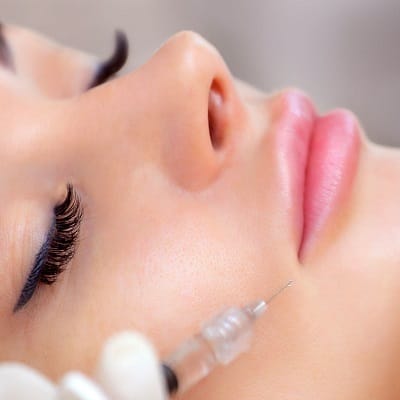
What Are LOLA Injections?
LOLA Injections contain a combination of two amino acids: L-ornithine and L-aspartate. These naturally occurring substances play an important role in the body’s detoxification process, especially in the liver.The liver helps remove toxins from the bloodstream, including ammonia, which is produced during protein metabolism. When the liver becomes weak or damaged, ammonia can build up in the body and affect brain function, energy levels, and overall health.LOLA Injections are designed to support the liver’s ability to convert ammonia into urea, which the body can then safely eliminate through urine. This process may help reduce symptoms associated with elevated ammonia levels and improve overall metabolic balance.These injections are commonly administered under medical supervision and may be used in hospitals, wellness centers, or supportive treatment programs depending on the individual’s condition.
How LOLA Injections Work in the Body
To understand the benefits of LOLA Injections, it helps to know a little about ammonia and liver function.Ammonia is a waste product produced when the body breaks down proteins. In healthy individuals, the liver converts ammonia into urea through the urea cycle. However, when liver function becomes impaired, ammonia may accumulate in the bloodstream.High ammonia levels can lead to symptoms such as:
- Mental confusion
- Fatigue
- Difficulty concentrating
- Mood changes
- Sleep disturbances
- Weakness
LOLA Injections work by enhancing the natural detoxification pathways in the liver. L-ornithine supports the urea cycle, while L-aspartate helps in ammonia metabolism within muscle tissue and the liver.This combined action may help lower ammonia levels and improve overall liver-related symptoms. Many healthcare providers consider LOLA therapy a supportive option in managing liver health and improving quality of life in selected patients.
Common Uses of LOLA Injections
LOLA Injections are commonly used in medical settings for liver-related support. Although they are not considered a cure for liver disease, they may help manage symptoms and support liver function.Some common situations where LOLA Injections may be recommended include:
Hepatic Encephalopathy Support
Hepatic encephalopathy is a condition that occurs when toxins like ammonia affect brain function due to liver impairment. Patients may experience confusion, forgetfulness, irritability, or even changes in consciousness.LOLA therapy may help reduce ammonia buildup and support mental clarity.
Chronic Liver Conditions
People living with chronic liver diseases may sometimes receive LOLA treatment as part of supportive care. It may assist the liver’s detoxification process and improve general well-being.
Fatigue and Low Energy Related to Liver Stress
In some cases, healthcare providers may use LOLA Injections to support energy metabolism and reduce fatigue associated with poor liver function.
Recovery and Metabolic Support
LOLA may also be included in supportive wellness programs aimed at improving metabolic balance and assisting recovery in individuals experiencing liver overload or toxin accumulation.
Potential Benefits of LOLA Injections
LOLA Injections may offer several supportive benefits when used under professional medical guidance. Results can vary depending on the individual’s health condition, lifestyle, and overall treatment plan.Some commonly discussed benefits include:
Improved Ammonia Clearance
One of the primary goals of LOLA therapy is reducing excess ammonia in the bloodstream. Lower ammonia levels may help improve cognitive function and reduce symptoms of confusion.
Better Mental Clarity
Patients dealing with liver-related brain fog or concentration issues may notice improvements in alertness and focus after treatment.
Support for Liver Function
LOLA may help enhance the liver’s natural detoxification abilities, supporting overall metabolic health.
Reduced Fatigue
By assisting metabolic processes and toxin clearance, some individuals report feeling more energetic and less physically exhausted.
Enhanced Quality of Life
For individuals struggling with liver-related symptoms, supportive treatments like LOLA Injections may contribute to better daily functioning and comfort.
What to Expect During the Treatment Process
Many first-time patients feel nervous before receiving any injectable treatment. Understanding the process can make the experience more comfortable and less intimidating.LOLA Injections are typically administered by trained healthcare professionals. The dosage and treatment frequency depend on the patient’s medical condition and the healthcare provider’s recommendations.The treatment process generally includes:
- A medical evaluation and health assessment
- Review of liver function and symptoms
- Administration of the injection or infusion
- Monitoring for any immediate side effects
Some patients receive LOLA through intravenous infusion, while others may receive injectable forms depending on the treatment setting.The procedure itself is usually straightforward and relatively quick. Patients are often advised to stay hydrated and follow any dietary or medical instructions provided by their healthcare provider.
Are There Any Side Effects?
Like many medical treatments, LOLA Injections may cause side effects in some individuals. However, many people tolerate the treatment well when administered properly.Possible side effects may include:
- Mild nausea
- Stomach discomfort
- Injection site irritation
- Headache
- Dizziness
Serious side effects are less common but should always be discussed with a healthcare professional before starting treatment.Individuals with certain medical conditions or allergies should inform their healthcare provider beforehand to ensure the treatment is appropriate for them.It is important not to self-administer LOLA Injections without proper medical supervision.
Who May Be a Good Candidate for LOLA Injections?
LOLA Injections may be suitable for individuals experiencing liver-related metabolic issues or elevated ammonia levels. However, treatment eligibility depends on a proper medical assessment.Healthcare professionals may consider LOLA therapy for people who:
- Have liver dysfunction
- Experience symptoms of hepatic encephalopathy
- Need supportive liver detoxification care
- Suffer from fatigue linked to liver stress
- Require metabolic support during recovery
Not everyone will need this type of treatment, and a personalized medical consultation is essential before beginning therapy.
Lifestyle Tips to Support Liver Health Alongside LOLA Therapy
While LOLA Injections may provide supportive benefits, maintaining healthy lifestyle habits is equally important for long-term liver wellness.Helpful liver-supportive habits include:
Eat a Balanced Diet
A nutrient-rich diet with vegetables, fruits, lean proteins, and healthy fats can support liver function and reduce metabolic stress.
Stay Hydrated
Adequate hydration helps the body flush out toxins more efficiently.
Limit Alcohol Consumption
Excessive alcohol intake can place additional strain on the liver and worsen existing liver conditions.
Exercise Regularly
Moderate physical activity may support metabolism and overall wellness.
Follow Medical Advice
Regular medical checkups and following prescribed treatment plans are essential for managing liver health effectively.
Final Thoughts
LOLA Injections are gaining attention as a supportive treatment option for liver-related conditions and elevated ammonia levels. By helping the body process and eliminate toxins more effectively, these injections may improve mental clarity, reduce fatigue, and support overall liver function.For beginners exploring this treatment, understanding how LOLA works and what to expect can make the process less overwhelming. Although LOLA therapy may offer helpful benefits, it is always important to seek professional medical guidance and receive treatment from qualified healthcare providers.A healthy lifestyle combined with proper medical care can play a major role in supporting liver wellness and improving overall quality of life.
FAQs
1. What does LOLA stand for in LOLA Injections?
LOLA stands for L-Ornithine L-Aspartate, a combination of amino acids used to support liver detoxification and reduce ammonia levels in the body.
2. What are LOLA Injections mainly used for?
LOLA Injections are commonly used to support liver function, manage elevated ammonia levels, and assist in conditions such as hepatic encephalopathy.
3. Are LOLA Injections painful?
Most people experience only mild discomfort during the injection process. Intravenous administration is usually well tolerated when performed by trained professionals.
4. How quickly do LOLA Injections work?
The response time can vary depending on the individual’s condition, treatment plan, and overall health. Some patients may notice improvements within a short period, while others may require ongoing therapy.
5. Can LOLA Injections cure liver disease?
LOLA Injections are considered a supportive treatment and not a cure for liver disease. They are often used alongside other medical treatments and lifestyle changes.
6. Are there any dietary restrictions during LOLA treatment?
Healthcare providers may recommend specific dietary adjustments depending on the patient’s liver condition. Following professional nutritional guidance is important for the best results.
Read More About LOLA Injections: https://666972af349f3.site123.me/blog/iv-drip-for-detox-fact-or-fiction
