Beginner’s Guide to Vector Facelift Treatments
Aging is a natural process, but many people seek ways to maintain a youthful, refreshed appearance without resorting to invasive surgery. One increasingly popular option is the Vector Facelift, a non-surgical treatment designed to lift, tighten, and rejuvenate the facial skin. Combining advanced technology with minimally invasive techniques, it offers a fresh, natural look with minimal downtime. This beginner’s guide explores everything you need to know about Vector Facelift treatments, from how they work to potential benefits and aftercare tips.
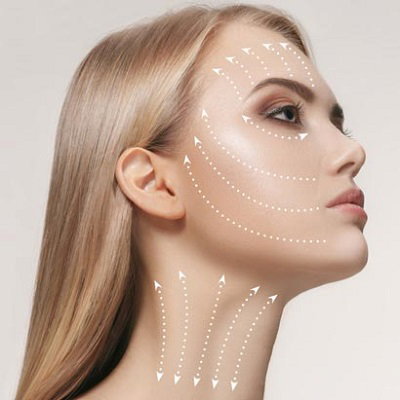
What Is a Vector Facelift?
A Vector Facelift is a cosmetic procedure that targets sagging skin, wrinkles, and facial laxity. Unlike traditional surgical facelifts, it uses a combination of thread lifting, specialized lifting vectors, and skin stimulation methods to achieve a subtle, natural lift. The term "vector" refers to the direction of the lift, which is carefully planned to enhance facial contours while maintaining a balanced, harmonious appearance.This treatment focuses on improving skin elasticity, tightening loose tissue, and restoring youthful volume to areas such as the cheeks, jawline, and neck. Because it is minimally invasive, patients can often return to their daily routines soon after the procedure.
How Does a Vector Facelift Work?
The procedure works through a strategic approach that combines several techniques:
- Thread Lifting: Biodegradable threads are inserted under the skin along predetermined vectors. These threads lift sagging tissue and stimulate collagen production.
- Collagen Stimulation: As the threads dissolve over time, they promote the formation of new collagen, enhancing skin firmness and elasticity.
- Skin Tightening: The combination of thread placement and collagen stimulation helps tighten skin naturally, reducing fine lines and wrinkles.
The process is carefully customized for each patient, ensuring that the lift aligns with natural facial contours and achieves a subtle, refreshed look.
Benefits of a Vector Facelift
Choosing a Vector Facelift comes with several advantages:
- Non-Surgical: No large incisions or general anesthesia are required, minimizing the risks associated with surgery.
- Minimal Downtime: Most patients experience mild swelling or bruising, which typically resolves within a few days.
- Natural Results: The procedure emphasizes a subtle, age-appropriate enhancement rather than dramatic changes.
- Collagen Boost: Stimulating collagen helps improve skin texture and elasticity over time.
- Customizable: Vectors can be adjusted to target specific areas like cheeks, jawline, or neck.
Because of these benefits, a Vector Facelift is ideal for individuals seeking a refreshed appearance without the risks and recovery time of traditional facelifts.
What to Expect During the Procedure
A typical Vector Facelift procedure begins with a consultation to assess skin condition, facial anatomy, and desired outcomes. The treatment process generally includes:
- Marking the Vectors: The practitioner maps out the direction of the lift based on natural facial lines and contours.
- Local Anesthesia: A numbing agent is applied to ensure comfort during the procedure.
- Thread Insertion: Special threads are carefully inserted under the skin along the predetermined vectors.
- Lifting and Adjustment: The threads are gently tightened to lift the skin, creating the desired contour.
- Finishing Touches: Excess threads are trimmed, and the area is cleaned.
The procedure usually takes 60–90 minutes, and patients can typically resume most normal activities within a day or two.
Recovery and Aftercare
While downtime is minimal, proper aftercare is important to achieve optimal results:
- Avoid Strenuous Activity: For at least one week, avoid heavy exercise or activities that strain facial muscles.
- Gentle Skin Care: Use mild cleansers and avoid massaging the treated areas.
- Protect from Sun Exposure: Sun protection is crucial to prevent pigmentation and support healing.
- Follow-Up Visits: Attend scheduled follow-ups to monitor healing and address any concerns.
Most side effects, such as minor swelling, bruising, or redness, resolve within a few days to a week. The lifting effect can last anywhere from 12 to 24 months, depending on lifestyle factors and skin condition.
Ideal Candidates for a Vector Facelift
Not everyone is a perfect candidate, but the treatment works well for:
- Individuals with mild to moderate sagging of facial skin
- People seeking non-surgical alternatives to traditional facelifts
- Those looking to improve skin elasticity and texture
- Adults in their 30s to 60s aiming for a subtle, natural rejuvenation
It may be less suitable for individuals with severe skin laxity or certain medical conditions, making an initial consultation essential for personalized advice.
FAQs About Vector Facelifts
1. How long does a Vector Facelift last?
Results typically last 12–24 months, depending on skin type, age, and lifestyle habits.
2. Is the procedure painful?
Most patients report only mild discomfort, as local anesthesia is used to numb the treatment area.
3. Can I combine it with other treatments?
Yes, it is often combined with dermal fillers or skin rejuvenation therapies for enhanced results.
4. When will I see results?
Immediate lifting is noticeable, but the full effect develops over several weeks as collagen forms.
5. Are there any age restrictions?
While generally suitable for adults in their 30s to 60s, candidacy depends on skin condition and aesthetic goals.
6. What is the difference between a Vector Facelift and a traditional facelift?
Vector Facelifts are minimally invasive, with minimal downtime and subtle results, whereas traditional facelifts involve surgery, anesthesia, and longer recovery periods.
7. How do I maintain the results?
Maintaining healthy skin habits, using sunscreen, and avoiding excessive weight fluctuations can help prolong results.
A Vector Facelift is an innovative, safe, and effective way to rejuvenate the face without undergoing major surgery. By understanding the procedure, benefits, and aftercare, individuals can make informed decisions about whether it aligns with their aesthetic goals.
Read More About Vector Facelift: https://666972af349f3.site123.me/blog/magic-facelift-guide-for-busy-professionals
