Best Dermatology Treatments for Acne Scars
Acne scars can linger long after breakouts fade, affecting not only skin texture but also confidence and self-image. While over-the-counter products may promise quick fixes, lasting improvement usually requires professional dermatology treatments tailored to the individual’s skin type and scar pattern. Today’s dermatology offers a wide range of advanced, evidence-based solutions that can dramatically improve the appearance of acne scars when applied correctly.This article explores the best dermatology treatments for acne scars, how they work, who they are best suited for, and what to expect from the treatment journey. It is written for readers seeking reliable health information or considering professional skin treatments, including those researching options aligned with the Best Dermatology in Muscat.
Understanding Acne Scars and Why They Form
Acne scars develop when inflamed blemishes damage the deeper layers of the skin. As the skin heals, it may produce too little or too much collagen, resulting in uneven texture. Not all acne leaves scars, but severe or untreated acne, frequent picking, and delayed treatment increase the risk.Dermatologists generally classify acne scars into a few main types:Atrophic scars are the most common and appear as depressions in the skin. These include ice pick scars (deep and narrow), boxcar scars (broad with sharp edges), and rolling scars (wave-like texture).Hypertrophic or keloid scars are raised scars caused by excess collagen production, more common on the chest, back, and jawline.Post-inflammatory hyperpigmentation is not a true scar but refers to dark or red marks left behind after acne heals. These marks often fade over time but can persist without treatment.Understanding the type of scar is essential because different scars respond better to specific treatments. This is where professional dermatology assessment becomes invaluable.
Why Professional Dermatology Treatments Matter
While home remedies and topical products may help with mild discoloration, they rarely reach the deeper layers of skin needed to remodel scar tissue. Professional dermatology treatments are designed to stimulate collagen, resurface damaged skin, and improve texture at a structural level.Another advantage of professional care is personalization. Skin tone, scar depth, acne history, and sensitivity all influence treatment choice. Especially in regions with diverse skin types, such as those seeking the Best Dermatology in Muscat, customized treatment plans help reduce risks like pigmentation changes while maximizing results.
Laser Treatments for Acne Scars
Laser therapy is one of the most advanced and effective dermatology treatments for acne scars. It works by delivering controlled energy into the skin to stimulate collagen production and resurface damaged tissue.Ablative lasers remove the outer layers of skin, making them highly effective for deep scars but requiring more downtime. Non-ablative lasers penetrate beneath the skin without removing the surface, offering gradual improvement with minimal recovery time.Laser treatments are especially helpful for boxcar and rolling scars, as well as uneven texture. Results often improve over several months as collagen continues to rebuild. For many individuals, laser therapy represents a cornerstone of acne scar management under expert dermatological care.
Microneedling and Radiofrequency Microneedling
Microneedling has gained popularity for its ability to improve acne scars naturally by triggering the skin’s own healing process. Tiny, controlled micro-injuries stimulate collagen and elastin production, gradually smoothing the skin’s surface.Radiofrequency microneedling combines traditional microneedling with heat energy delivered into deeper layers of the skin. This enhances collagen remodeling and is particularly effective for moderate to deep scars.These treatments are suitable for many skin tones and have relatively short downtime. When performed by skilled dermatology professionals, microneedling-based therapies offer safe and noticeable improvement over a series of sessions.
Chemical Peels for Surface-Level Scars and Pigmentation
Chemical peels involve applying a medical-grade solution to exfoliate the top layers of skin. This process promotes new skin cell turnover and can significantly improve mild acne scars and pigmentation.Superficial peels help with discoloration and uneven tone, while medium-depth peels can address shallow textural scars. Deep peels are more intensive and require longer recovery but deliver more dramatic results.Peels are often recommended as part of a combination approach rather than a standalone solution. In expert dermatology settings, they are customized to suit skin sensitivity and regional climate considerations, which is important when evaluating the Best Dermatology in Muscat.
Subcision and Injectable Treatments
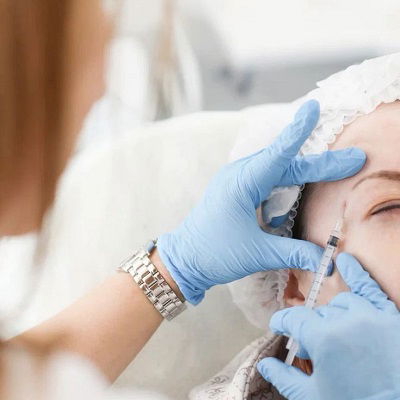
Subcision is a minor dermatological procedure used primarily for rolling scars. A specialized needle is inserted beneath the scar to break fibrous bands that pull the skin downward. Once released, the skin surface lifts, creating a smoother appearance.Injectable treatments, such as collagen-stimulating substances or temporary fillers, may also be used to elevate depressed scars. These treatments can provide immediate improvement and are sometimes combined with lasers or microneedling for longer-lasting results.When performed correctly, these procedures can significantly improve skin texture with minimal downtime.
Platelet-Rich Plasma (PRP) Therapy
PRP therapy uses the patient’s own blood components to promote healing and collagen regeneration. After processing, platelet-rich plasma is applied or injected into scarred areas, often in combination with microneedling.PRP enhances the skin’s repair mechanisms and can improve both texture and tone. It is valued for its natural approach and compatibility with other dermatology treatments.While PRP alone may not eliminate deep scars, it can boost overall results and speed recovery when included in a comprehensive treatment plan.
Choosing the Right Acne Scar Treatment
There is no single “best” treatment for acne scars. The most effective approach depends on several factors:Scar type and depth determine which treatments will work best. Skin tone influences the risk of pigmentation changes. Lifestyle, downtime tolerance, and treatment goals also play a role.Many dermatology experts recommend combination therapy, using two or more treatments over time to target scars from different angles. This layered approach often delivers the most natural and long-lasting improvement.Readers exploring options through the Best Dermatology in Muscat often benefit from clinics that emphasize personalized assessments, advanced technology, and patient education rather than one-size-fits-all solutions.
Aftercare and Long-Term Skin Health
Post-treatment care is just as important as the procedure itself. Proper aftercare helps protect the skin, reduce side effects, and enhance results.Sun protection is essential, as treated skin is more sensitive to UV exposure. Gentle skincare products, adequate hydration, and avoiding harsh exfoliants support healing. Following professional guidance ensures optimal outcomes and reduces the risk of complications.Long-term skin health also involves managing active acne effectively to prevent new scars from forming. Consistent dermatological follow-up plays a crucial role in maintaining results.
The Emotional Impact of Treating Acne Scars
Acne scars can affect more than just appearance. Many individuals experience reduced self-esteem or social anxiety due to visible scarring. Dermatology treatments often provide emotional benefits alongside physical improvement.Clearer, smoother skin can boost confidence, encourage social engagement, and improve overall quality of life. This holistic impact is one reason professional acne scar treatment continues to grow in demand worldwide.
Frequently Asked Questions
Are acne scars permanent without treatment?
Some mild scars and pigmentation may fade over time, but deeper acne scars typically require dermatology treatments for significant improvement.
How many sessions are needed to see results?
The number of sessions varies based on scar severity and treatment type. Most people see gradual improvement over multiple sessions rather than instant results.
Is acne scar treatment safe for all skin tones?
Yes, when performed by experienced dermatology professionals using appropriate techniques. Treatment plans are adjusted to minimize pigmentation risks.
Can acne scars be completely removed?
While complete removal is rare, modern dermatology treatments can significantly reduce the appearance of scars and improve skin texture.
Is there downtime after acne scar treatments?
Downtime depends on the procedure. Some treatments have minimal recovery, while others may require several days to weeks for healing.
Can treatments be combined for better results?
Yes, combination therapy is often recommended and can provide more comprehensive and long-lasting improvement.
Acne scars do not have to be a lifelong concern. With today’s advanced dermatology treatments and personalized care, smoother and healthier-looking skin is an achievable goal. For individuals researching options aligned with the Best Dermatology in Muscat, understanding available treatments is the first step toward making confident, informed decisions about skin health.
