Botox for Migraine: A Beginner’s Complete Guide
Migraines can be debilitating, affecting daily life, work, and overall well-being. While traditional treatments often include medications and lifestyle changes, some individuals seek alternative options for relief. One such treatment gaining attention is Botox for Migraine. Though widely known for cosmetic purposes, Botox has been medically approved to prevent chronic migraines. This guide will walk readers through everything they need to know about Botox for migraine, including how it works, what to expect, and potential side effects.
What is Botox for Migraine?
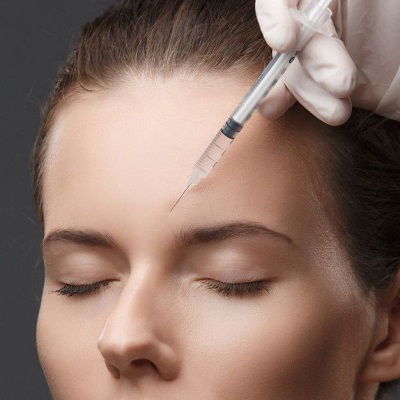
Botox, scientifically known as onabotulinumtoxinA, is a neurotoxin derived from the bacterium Clostridium botulinum. While commonly recognized for its wrinkle-reducing properties, Botox has therapeutic applications. When used for migraines, Botox is administered in small, targeted injections around specific areas of the head and neck to prevent chronic migraine attacks.Unlike medications taken daily, Botox is not meant to stop an acute migraine but rather to reduce the frequency and severity of attacks over time. It has been particularly effective for individuals who experience 15 or more migraine days per month.
How Does Botox Work for Migraines?
The exact mechanism of Botox for migraine relief is not fully understood, but experts believe it involves multiple processes:
- Blocking Pain Signals: Botox interferes with the release of neurotransmitters involved in sending pain signals to the brain.
- Reducing Muscle Tension: By relaxing tight muscles in the head and neck, Botox can prevent one trigger for migraines.
- Modulating Nerve Activity: Botox may inhibit certain nerve pathways linked to chronic migraine pain.
These combined effects can significantly reduce the frequency of migraine attacks, allowing individuals to regain control over their daily lives.
Who is a Candidate for Botox Treatment?
Botox for migraines is generally recommended for adults diagnosed with chronic migraines, defined as headaches occurring 15 or more days per month for at least three months. People who have tried oral preventive medications with limited success may find Botox to be a viable option.However, Botox is not suitable for everyone. Individuals with certain neuromuscular conditions, allergies to botulinum toxin, or those who are pregnant or breastfeeding should avoid treatment. Consulting a healthcare professional to determine eligibility is essential.
What to Expect During Treatment
Botox injections for migraines are performed in a clinical setting, typically every 12 weeks. The procedure usually involves 31 injections distributed across the forehead, temples, back of the head, neck, and shoulders.The treatment process is relatively quick, often taking 10 to 15 minutes, and most people can return to normal activities immediately. Some mild side effects, such as soreness at injection sites, minor bruising, or temporary neck weakness, may occur. Serious side effects are rare.Results are gradual and may take two to six weeks to notice. With consistent treatments, many patients experience a significant reduction in migraine days and intensity over time.
Benefits of Botox for Migraines
There are several advantages to considering Botox for chronic migraine management:
- Reduced Frequency of Attacks: Many patients report fewer migraine days per month.
- Decreased Severity: When migraines occur, they may be less intense.
- Lower Dependence on Medications: Botox can reduce the need for daily preventive medications.
- Improved Quality of Life: By controlling migraine frequency, individuals can engage in work, social, and personal activities with greater ease.
Potential Side Effects and Risks
While Botox is generally safe, understanding potential side effects is important:
- Common Side Effects: Mild pain, swelling, or bruising at injection sites, headache, flu-like symptoms, temporary eyelid drooping.
- Rare Side Effects: Allergic reactions or muscle weakness beyond the injection site.
Most side effects are mild and resolve within a few days. Regular follow-ups with a healthcare provider help monitor progress and manage any complications.
Tips for Preparing and Maximizing Results
To get the most from Botox treatment for migraines, consider the following tips:
- Maintain a Migraine Diary: Track migraine frequency and triggers to assess effectiveness.
- Avoid Anti-Inflammatory Medications Before Treatment: Some medications may increase bruising risk.
- Stay Consistent with Treatment Schedule: Botox requires repeat sessions every 12 weeks for optimal results.
- Combine with Lifestyle Strategies: Adequate sleep, hydration, stress management, and trigger avoidance enhance benefits.
Frequently Asked Questions
1. How long does Botox for migraines last?
Results typically last about three months, which is why treatments are scheduled quarterly.
2. Is Botox a cure for migraines?
No, Botox does not cure migraines. It helps prevent attacks and reduce severity but is not effective for stopping an ongoing migraine.
3. Are there any age restrictions for Botox treatment?
Botox is generally approved for adults 18 and older. Pediatric use is limited and requires specialized medical guidance.
4. Can Botox be combined with other migraine treatments?
Yes, Botox can be used alongside oral preventive medications or acute migraine treatments under medical supervision.
5. How soon will I notice results?
Some patients notice improvements within two to six weeks, but full benefits may require multiple treatment sessions.
6. Is the procedure painful?
Discomfort is usually minimal, described as a small pinch at injection sites. Ice or topical numbing may be used to reduce discomfort.
Final Thoughts
Botox for migraine offers hope for individuals struggling with chronic migraines who have not found relief through conventional treatments. Its preventive benefits, combined with a relatively safe profile, make it an attractive option for many. While it is not a cure, consistent treatments can significantly improve the quality of life by reducing both the frequency and severity of migraines.Before starting Botox therapy, consulting a healthcare provider to discuss candidacy, potential risks, and realistic expectations is essential. With the right guidance and treatment plan, Botox can be a valuable tool in managing chronic migraines effectively.
