Breast Surgery Pain: What’s Normal and What’s Not
Breast surgery is a common procedure performed for both cosmetic and medical reasons, ranging from breast augmentation and reduction to reconstruction after mastectomy. While the results can be life-changing, patients often have questions about the recovery process—particularly when it comes to pain. Understanding what is normal and when to seek medical attention is essential for a smooth recovery. This article explores breast surgery pain, recovery expectations, and helpful tips for those considering Breast Surgery in Oman.
Understanding Breast Surgery and Its Impact
Breast surgery involves manipulating delicate tissues, muscles, and sometimes implants, which naturally leads to discomfort post-operation. The level of pain experienced varies depending on the type of procedure, the patient’s pain tolerance, and overall health. For instance, a breast reduction or lift often involves more tissue manipulation than a simple augmentation, potentially causing more significant discomfort initially.Even though pain is expected, it is important to distinguish between normal postoperative discomfort and warning signs of complications. Recognizing these differences helps ensure proper healing and peace of mind.
Common Types of Pain After Breast Surgery
Pain after breast surgery usually falls into three main categories:
1. Incisional Pain
This type of pain occurs around the surgical site where cuts were made. Patients may notice tenderness, mild swelling, and sensitivity to touch. Incisional pain generally improves within a few weeks as the body heals.
2. Muscular Pain
Breast surgeries often involve manipulating chest muscles, particularly in procedures like breast augmentation with implants placed under the muscle. Muscular soreness, stiffness, and tightness are normal and usually diminish gradually over the first month.
3. Nerve-Related Pain
Some patients experience tingling, numbness, or sharp sensations around the breast or nipples. This happens because small nerves are affected during surgery. While nerve-related discomfort can last several weeks or even months, it generally improves over time.
When Breast Surgery Pain Is Normal
It is normal to experience moderate discomfort after breast surgery, which can include:
- Mild to moderate soreness at the incision site
- Swelling and bruising around the chest
- Muscle tightness or stiffness
- Temporary changes in breast sensation
Pain is typically strongest during the first few days and gradually subsides. Over-the-counter pain medications, cold compresses, and proper rest can help manage discomfort effectively. Patients are usually advised to avoid strenuous activity for a few weeks to prevent additional strain on healing tissues.
Signs That Something Might Be Wrong
While some discomfort is normal, certain symptoms may indicate complications and require immediate attention:
- Severe, worsening pain that does not respond to pain medication
- Redness, warmth, or pus around the incision site
- Fever or chills
- Significant asymmetry or sudden swelling
- Unusual discharge from the incision
- Persistent numbness or sharp shooting pains
Promptly addressing these signs can prevent infections, implant issues, or other complications from becoming serious.
Tips for Managing Pain After Breast Surgery
Recovering comfortably involves a combination of proper care, lifestyle adjustments, and pain management strategies:
Follow Postoperative Instructions
Surgeons provide specific instructions for wound care, activity restrictions, and medication use. Following these guidelines reduces the risk of complications and accelerates healing.
Use Pain Relief Strategically
Over-the-counter pain relievers like acetaminophen or ibuprofen can help manage mild pain. In some cases, stronger prescription pain medication may be necessary, especially in the first few days.
Wear Supportive Garments
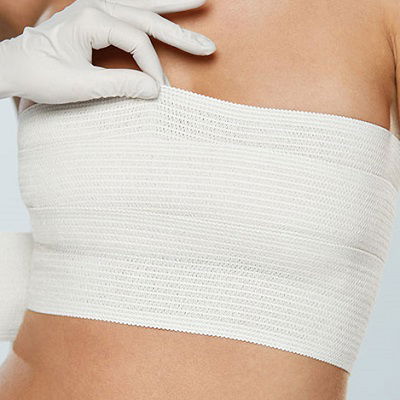
Compression bras or surgical garments help reduce swelling, provide support, and minimize movement-related discomfort.
Stay Active—but Gradually
Light walking can promote circulation and reduce stiffness, but avoid lifting heavy objects or performing intense exercise until cleared by a healthcare provider.
Monitor and Record Symptoms
Keeping a daily log of pain levels, swelling, and overall comfort can help patients notice trends and communicate effectively with their healthcare provider.
Recovery Timeline for Breast Surgery
Recovery varies depending on the procedure, but a general timeline includes:
- First 1–3 Days: Most intense pain, swelling, and tenderness. Pain medications are often needed.
- Week 1–2: Discomfort starts to decrease; light activities may resume.
- Week 3–4: Incision pain and swelling continue to subside; more mobility is regained.
- Week 6–8: Most patients feel significantly better; normal activities and gentle exercise can often resume.
- 3–6 Months: Complete healing of tissues and nerves; any residual numbness or mild discomfort continues to improve.
Breast Surgery in Oman: Recovery Support
For individuals considering breast surgery in Oman, understanding local recovery support and healthcare resources is crucial. Oman offers modern medical facilities and experienced surgeons skilled in various breast procedures. Patients are encouraged to discuss pain management, postoperative care, and follow-up schedules to ensure a safe recovery.
FAQs About Breast Surgery Pain
1. Is it normal to have sharp pains after breast surgery?
Yes, occasional sharp pains can occur due to tissue healing and nerve sensitivity. However, persistent or severe pain should be evaluated by a medical professional.
2. How long does swelling last after breast surgery?
Swelling typically reduces significantly within 2–4 weeks, but minor swelling may persist for a few months, especially after more extensive procedures.
3. Can I sleep on my stomach after breast surgery?
Sleeping on the stomach is usually discouraged for the first few weeks to avoid pressure on the healing tissues. Side or back sleeping with supportive pillows is recommended.
4. When can I return to exercise?
Light activities may resume after a few weeks, but strenuous exercise or heavy lifting is generally postponed for 6–8 weeks, depending on the type of surgery.
5. Is numbness after surgery permanent?
Temporary numbness is common and often improves over several months. Permanent numbness is rare but can occur if nerves are significantly affected.
6. How can I reduce pain naturally after breast surgery?
Gentle movement, supportive garments, cold compresses, adequate hydration, and a balanced diet can all help reduce discomfort and promote healing.
Final Thoughts
Pain after breast surgery is a natural part of the healing process. Understanding what is normal and recognizing warning signs ensures a smoother recovery and peace of mind. Patients planning breast surgery in Oman can benefit from careful preparation, following postoperative instructions, and maintaining open communication with their healthcare team. With proper care and patience, most patients experience significant relief over time and enjoy the full benefits of their surgical results.
