Can You Get Liposuction on Your Stomach?
Yes, liposuction can be performed on the stomach area. In fact, the abdomen is one of the most commonly treated areas for liposuction because it can help remove localized pockets of stubborn fat that may not respond well to diet and exercise. For people who maintain a relatively healthy lifestyle but still struggle with unwanted abdominal fat, liposuction may be considered as a body-contouring procedure.However, liposuction is not a weight-loss treatment, and it is not suitable for everyone. The procedure is primarily designed to reshape specific areas of the body by removing excess fat beneath the skin. Understanding how stomach Liposuction works, who may benefit from it, what results can realistically be expected, and how recovery works can help individuals make a more informed decision.
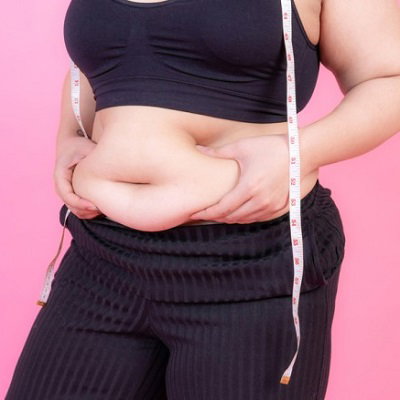
What Is Stomach Liposuction?
Stomach liposuction, also called abdominal liposuction, is a cosmetic body-contouring procedure that removes unwanted fat deposits from the abdomen. During the procedure, a surgeon typically makes small incisions in carefully selected areas and inserts a thin tube called a cannula. The cannula is used to loosen and suction out excess fat cells from beneath the skin.The goal is not simply to remove as much fat as possible. Instead, the procedure aims to create a more balanced and proportionate abdominal contour. The amount of fat removed depends on several factors, including the individual's body shape, the amount and distribution of fat, skin quality, and overall treatment goals.Stomach liposuction may be performed on different parts of the abdominal area. Some people have excess fat concentrated in the lower abdomen, while others may have more fullness around the upper abdomen or sides of the waist. In some cases, liposuction may also be used to contour the flanks, commonly known as the love-handle area, to create a smoother transition between the stomach and waist.The procedure may be performed using different liposuction techniques. The specific approach depends on the individual's needs and the surgeon's assessment. Regardless of the technique used, the central purpose remains the same: to reduce localized fat and improve body contours.
Who Is a Good Candidate for Abdominal Liposuction?
Liposuction may be appropriate for adults who are generally healthy and have localized fat deposits that have remained despite consistent efforts with nutrition and physical activity. It is often considered by individuals who are close to their preferred body weight but are unhappy with specific areas of stubborn fat.A person may be considered a potential candidate if they:
- Have relatively stable body weight
- Have localized abdominal fat deposits
- Maintain realistic expectations about the outcome
- Have reasonably good skin elasticity
- Are in generally good health
- Do not have medical conditions that could make surgery unnecessarily risky
- Are willing to follow pre- and post-procedure instructions
Skin elasticity is particularly important when considering abdominal liposuction. When fat is removed, the skin needs to adapt to the body's new contours. Skin with good elasticity is generally more likely to contract smoothly after the procedure.Individuals with significant loose or hanging abdominal skin may not achieve the desired result from liposuction alone. In such cases, another type of body-contouring procedure may be discussed. The appropriate option depends on the amount of excess skin, muscle condition, fat distribution, and the individual's goals.A professional consultation is essential because candidacy cannot be determined based on body weight alone. A qualified medical professional can evaluate overall health, skin quality, fat distribution, and expectations before recommending an appropriate treatment plan.
Can Liposuction Remove Belly Fat?
Liposuction can remove subcutaneous fat, which is the layer of fat located directly beneath the skin. This is the type of fat that can often be pinched and felt. When this fat is concentrated around the abdomen, liposuction may help reduce the visible fullness of the stomach and improve its overall contour.However, it is important to understand that not all belly fat can be treated with liposuction.There are two primary types of abdominal fat: subcutaneous fat and visceral fat. Subcutaneous fat sits underneath the skin, while visceral fat is located deeper inside the abdomen and surrounds internal organs. Liposuction is designed to target subcutaneous fat and does not remove visceral fat.This distinction is important because a person with a prominent abdomen caused largely by visceral fat may not see the expected results from liposuction. Visceral fat is more closely associated with overall health and metabolic factors and is generally addressed through lifestyle changes and appropriate medical care rather than cosmetic fat removal.Liposuction can therefore be useful for improving the shape and contour of the abdomen, but it should not be viewed as a treatment for obesity or a substitute for healthy eating and regular physical activity.
What Results Can Be Expected From Stomach Liposuction?
The results of abdominal liposuction can vary significantly from person to person. The final appearance depends on factors such as the amount of fat removed, skin elasticity, body shape, age, lifestyle, and the individual's healing process.Immediately after the procedure, swelling and bruising are common. As a result, the stomach may not look smaller or more contoured right away. Temporary fluid retention can also make the treated area appear uneven during the early stages of recovery.As swelling gradually decreases, the body's contours typically become more visible. The final results may take several weeks or months to fully develop, depending on the extent of treatment and individual healing.A successful outcome may include:
- A reduction in localized abdominal fat
- A smoother stomach contour
- Improved waist definition
- Better proportion between the abdomen and surrounding areas
- Greater satisfaction with body shape
Liposuction permanently removes fat cells from the treated area. However, the remaining fat cells can still enlarge if a person gains significant weight after the procedure. This means maintaining a stable weight and healthy lifestyle is important for preserving the results.It is also important to have realistic expectations. Liposuction can improve body contours, but it cannot guarantee a perfectly flat stomach or eliminate every natural irregularity. The procedure also cannot completely prevent future changes caused by aging, pregnancy, weight fluctuations, or changes in skin elasticity.
What Is the Recovery Like After Stomach Liposuction?
Recovery after abdominal liposuction varies depending on the amount of fat removed, the technique used, the individual's health, and whether other procedures are performed at the same time.Swelling, bruising, tenderness, and temporary numbness are common during the early recovery period. Some individuals may experience mild discomfort, which can generally be managed according to the medical professional's instructions.Compression garments are often recommended after liposuction. These garments can help support the treated area and may assist with swelling during recovery. The length of time a compression garment should be worn varies from person to person and should be determined by the treating medical professional.Light movement is often encouraged during recovery because prolonged inactivity may increase the risk of certain complications. However, strenuous exercise and heavy lifting usually need to be avoided until the body has had enough time to heal.Recovery instructions may include guidance about:
- When normal daily activities can be resumed
- When exercise can be restarted
- How to care for incision sites
- How long compression garments should be worn
- Which medications or supplements should be avoided
- When follow-up appointments should take place
Following post-procedure instructions carefully can support a smoother recovery and reduce the risk of complications.Although many people notice changes in their body shape relatively early, swelling can temporarily hide the final outcome. Patience is therefore important during the healing process.
Are There Risks or Limitations to Stomach Liposuction?
Like any surgical procedure, liposuction has potential risks. Although many people undergo the procedure without serious problems, complications can occur.Potential risks may include infection, bleeding, fluid accumulation, changes in sensation, swelling, bruising, scarring, skin irregularities, asymmetry, and contour changes. More serious complications are less common but can occur, which is why proper medical evaluation and qualified surgical care are important.There are also limitations to what liposuction can accomplish. It is not designed to treat loose skin, significantly separated abdominal muscles, or visceral fat. Individuals with substantial skin laxity may require a different or additional body-contouring approach to achieve their desired result.People considering the procedure should also disclose their complete medical history, current medications, previous surgeries, and any relevant health conditions during consultation. Certain medical factors may affect whether liposuction is appropriate or how safely it can be performed.Choosing a qualified and appropriately trained medical professional is an important part of reducing risk. A thorough consultation should include a discussion of the individual's goals, potential benefits, possible complications, recovery expectations, and alternative treatment options.
Is Stomach Liposuction the Right Choice?
For someone with stubborn subcutaneous abdominal fat and relatively good skin elasticity, liposuction may be an effective option for improving body contours. It can be especially appealing when diet and exercise have helped with overall weight but have not eliminated specific pockets of fat.However, the best treatment depends on the cause of abdominal fullness. Someone with loose skin after significant weight loss may need a different approach. Someone with substantial visceral fat may benefit more from lifestyle changes and medical guidance. In other situations, a combination of procedures may be considered.The decision should therefore be based on individual anatomy, health status, goals, and expectations rather than on a desire to achieve a specific body shape seen in photographs or on social media.A consultation with a qualified medical professional can help determine whether liposuction is suitable and what kind of outcome may realistically be expected. It can also provide an opportunity to discuss the procedure, anesthesia, recovery, potential risks, and alternatives.Ultimately, stomach liposuction can be a useful body-contouring option for carefully selected individuals. When performed for the right reasons and followed by appropriate aftercare, it may help create a more defined abdominal contour and improve satisfaction with overall body shape. However, maintaining realistic expectations and understanding the difference between cosmetic fat removal and medical weight management is essential.
FAQs
1. Is stomach liposuction safe?
Liposuction is generally considered a commonly performed cosmetic surgical procedure, but it is not completely risk-free. Possible complications include infection, bleeding, fluid buildup, changes in sensation, contour irregularities, and other surgical risks. A proper medical assessment and care from a qualified professional can help determine whether the procedure is appropriate and how potential risks can be managed.
2. Does liposuction permanently remove belly fat?
Liposuction permanently removes many of the fat cells in the treated area. However, the remaining fat cells can still increase in size if significant weight is gained. Maintaining a stable weight and healthy lifestyle can help preserve the results over time.
3. Can liposuction give someone a flat stomach?
Liposuction can improve the appearance of localized fat deposits, but it cannot guarantee a completely flat stomach. The final result depends on factors such as skin elasticity, muscle tone, fat distribution, and the presence of loose skin or visceral fat.
4. How long does it take to see results after stomach liposuction?
Some changes may become noticeable as swelling begins to decrease, but the final result generally takes time to develop. Depending on the individual and the extent of treatment, residual swelling may continue to improve over several weeks or months.
5. Is liposuction a weight-loss procedure?
No. Liposuction is primarily a body-contouring procedure rather than a treatment for obesity or significant weight loss. It is generally intended to address localized pockets of subcutaneous fat in people who are already relatively close to a stable, healthy weight.
6. Can stomach liposuction remove loose skin?
Liposuction primarily removes excess fat and does not directly remove significant amounts of loose or hanging skin. Individuals with substantial skin laxity may need to discuss other body-contouring options with a qualified medical professional.
Read More About Liposuction: https://www.linkedin.com/pulse/does-gastric-balloon-hurt-during-after-placement-esha-esha-nasir-zhn6f
