Chemical Peels for Acne Scars: Do They Really Work?
Acne scars can be frustrating long after breakouts have healed. Many people look for effective treatments that can improve skin texture, reduce pigmentation, and restore a smoother appearance. Among the most commonly discussed options in skincare is Chemical Peels, a treatment that has been used for decades to address a variety of skin concerns, including acne scars.But do chemical peels really work for acne scars, or are they just another skincare trend? The answer depends on several factors such as scar type, peel strength, and skin condition. This article explores how chemical peels work, their effectiveness, types, benefits, limitations, and what someone can realistically expect from the treatment.
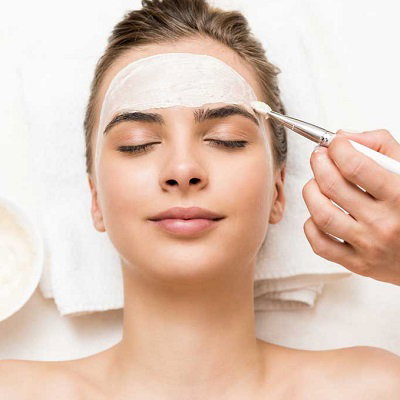
Understanding Acne Scars and Why They Form
Acne scars develop when inflamed blemishes damage the skin tissue beneath the surface. When the body tries to heal this damage, it sometimes produces too much or too little collagen, leading to uneven skin texture.There are different types of acne scars, and understanding them is important before considering treatment:
- Atrophic scars: These are depressed or sunken scars, including ice-pick, boxcar, and rolling scars.
- Hypertrophic scars: These are raised scars caused by excess collagen production.
- Post-inflammatory hyperpigmentation (PIH): These are not true scars but dark spots left behind after acne heals.
Chemical peels are often most effective for pigmentation issues and mild to moderate surface-level scarring, while deeper scars may require combination treatments.
What Are Chemical Peels and How Do They Work?
Chemical peels are skin-resurfacing treatments that use chemical solutions to exfoliate the outer layers of the skin. The goal is to remove damaged skin cells and encourage the growth of new, healthier skin.The process generally works in three steps:
- A chemical solution is applied to the skin.
- The top layer of skin gradually exfoliates or peels off.
- The skin regenerates, becoming smoother and more even-toned.
By promoting controlled skin injury, chemical peels stimulate collagen production and cell turnover. This is particularly helpful for acne scars that affect the skin’s surface texture or pigmentation.Over time, repeated treatments can improve skin clarity and reduce the visibility of scars.
Types of Chemical Peels Used for Acne Scars
Not all chemical peels are the same. They vary in strength and depth of penetration, which affects their results and recovery time.
Superficial Peels
Superficial peels are the mildest type and typically use ingredients like alpha-hydroxy acids (AHAs) or beta-hydroxy acids (BHAs). These peels target the outermost layer of skin.They are commonly used for:
- Mild acne scarring
- Dark spots and pigmentation
- Uneven skin tone
Superficial peels require little to no downtime and are often done in multiple sessions for gradual improvement.
Medium-Depth Peels
Medium-depth peels penetrate deeper into the skin using stronger acids such as trichloroacetic acid (TCA). These peels are more effective for moderate acne scars and texture issues.They can help improve:
- Shallow acne scars
- Pigmented scars
- Rough skin texture
However, they require more recovery time, and peeling and redness are more noticeable after treatment.
Deep Peels
Deep chemical peels penetrate multiple layers of skin and are used for more severe skin damage. These are less commonly used for acne scars alone due to their intensity and longer recovery period.They may provide dramatic improvements but are usually reserved for more advanced skin concerns.
Do Chemical Peels Actually Work for Acne Scars?
Chemical peels can be effective, but their success depends on the type and severity of acne scars.For mild acne scars and pigmentation, chemical peels often show noticeable improvement. They help fade dark marks, smooth rough patches, and brighten the skin.For moderate scars, especially shallow atrophic scars, medium-depth peels may provide visible improvement over time, particularly when done in a series.However, for deep acne scars, chemical peels alone may not be enough. In such cases, they are often combined with other treatments like microneedling, laser therapy, or dermal resurfacing techniques.In general, chemical peels work best as part of a long-term skincare strategy rather than a one-time solution.
Benefits of Chemical Peels for Acne Scars
Chemical peels offer several advantages beyond just scar improvement. These benefits make them a popular choice in skincare routines:
Skin Smoothing Effect
One of the most noticeable improvements is smoother skin texture. By removing damaged outer layers, the skin appears more refined and even.
Brightening and Pigmentation Reduction
Chemical peels are particularly effective at reducing dark spots and post-acne marks. This helps improve overall skin tone and radiance.
Boost in Collagen Production
Deeper peels stimulate collagen, which is essential for repairing damaged skin and improving elasticity.
Minimal to Moderate Downtime
Depending on the peel strength, recovery time can be relatively short compared to more invasive procedures.
Customizable Treatment
Chemical peels can be tailored based on skin type, sensitivity, and scar severity, making them suitable for a wide range of individuals.
Limitations and Considerations Before Choosing Chemical Peels
While chemical peels offer benefits, they are not a miracle cure for all types of acne scars. There are some limitations to consider:
- Deep scars may not respond significantly to peels alone
- Multiple sessions are usually required for visible results
- Temporary redness, peeling, or sensitivity may occur
- Sun protection is essential after treatment to avoid pigmentation issues
Additionally, results vary from person to person depending on skin type, age, and how consistently the treatment is performed.People with very sensitive skin or certain skin conditions may need to approach chemical peels cautiously.
What to Expect During and After Treatment
During a chemical peel, the skin is typically cleansed before the chemical solution is applied. A tingling or mild burning sensation may be felt, depending on the peel strength.After treatment:
- The skin may appear red or slightly irritated
- Peeling usually begins within a few days
- Fresh skin gradually replaces the old layer
- Visible improvement appears after healing
For best results, skincare professionals often recommend avoiding sun exposure and using gentle skincare products during recovery.Consistency is important, as chemical peels generally work best in a series rather than a single session.
Who Can Benefit Most from Chemical Peels?
Chemical peels are suitable for many individuals, but they tend to work best for:
- People with mild to moderate acne scars
- Individuals with post-acne dark spots
- Those with uneven skin texture
- People looking for non-invasive skin rejuvenation
However, those with deep scarring or active severe acne may require additional or alternative treatments for optimal results.A customized skincare approach often delivers the best outcome.
Conclusion
Chemical peels remain a widely used and effective option for improving acne scars, especially when dealing with pigmentation issues and mild to moderate texture irregularities. They work by exfoliating damaged skin layers, stimulating collagen production, and promoting skin renewal.While they may not completely remove deep scars, they can significantly improve skin appearance when used correctly and consistently. The key is understanding individual skin needs and setting realistic expectations.For many people, chemical peels serve as a valuable part of a broader skincare strategy that helps restore smoother, clearer, and more even-toned skin over time.
FAQs
1. Are chemical peels effective for all types of acne scars?
Chemical peels are most effective for mild to moderate acne scars and pigmentation. Deep scars may require additional treatments for better results.
2. How many chemical peel sessions are needed for acne scars?
The number of sessions varies, but multiple treatments are usually needed to see noticeable improvement, especially for texture-related scars.
3. Do chemical peels hurt?
Most people experience mild tingling or a warm sensation during the procedure, but discomfort is generally manageable and temporary.
4. How long does it take to recover after a chemical peel?
Recovery time depends on the peel strength. Superficial peels may take a few days, while medium peels may require about a week or more.
5. Can chemical peels make acne scars worse?
When performed correctly, chemical peels do not worsen scars. However, improper aftercare or sun exposure can lead to irritation or pigmentation issues.
6. Are results from chemical peels permanent?
Results can be long-lasting, but maintenance sessions and good skincare habits are important to preserve improvements over time.
Read More About Chemical Peels: https://666972af349f3.site123.me/blog/green-peels-for-dark-spots-beginner-guide
