Combining Ozempic Injection with Other Medications
Managing type 2 diabetes often requires a multifaceted approach, including lifestyle adjustments, diet, exercise, and medications. One of the widely used treatments is Ozempic Injection in Oman, a prescription medication that helps control blood sugar levels while supporting weight management. Many patients and healthcare providers are interested in understanding how Ozempic can be safely combined with other medications for comprehensive diabetes management.
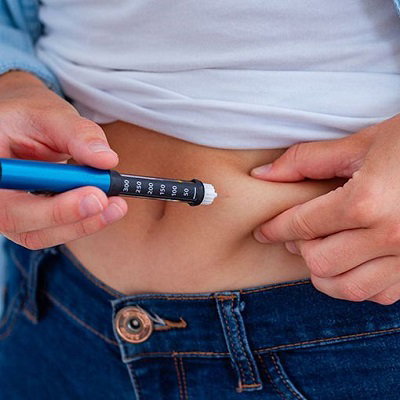
What Is Ozempic Injection?
Ozempic is a brand name for semaglutide, a glucagon-like peptide-1 (GLP-1) receptor agonist. It works by stimulating insulin secretion when blood glucose levels are high, reducing glucagon release, slowing gastric emptying, and promoting satiety. These effects help improve glycemic control and, for many patients, contribute to weight reduction.Ozempic is typically administered once weekly via subcutaneous injection, making it a convenient option for long-term diabetes management. Its effectiveness, combined with ease of use, has made it a preferred choice for many adults with type 2 diabetes.
Why Combine Ozempic with Other Medications?
While Ozempic is effective at controlling blood sugar, type 2 diabetes is a complex condition that often requires multiple strategies to achieve optimal control. Combining medications may help:
- Address different pathways that affect blood sugar
- Enhance overall glycemic control
- Reduce the risk of diabetes-related complications
- Support weight management and cardiovascular health
Common classes of medications that may be used alongside Ozempic include metformin, insulin, SGLT2 inhibitors, and DPP-4 inhibitors. The combination approach must always be tailored to individual patient needs.
Common Medications Combined with Ozempic
1. Metformin
Metformin is often the first-line therapy for type 2 diabetes. When combined with Ozempic, metformin helps reduce glucose production in the liver while Ozempic enhances insulin secretion and slows digestion. This combination is generally safe and can improve overall blood sugar control.
2. Insulin
Some patients may require basal insulin to manage fasting blood glucose. Combining Ozempic with insulin can reduce the total insulin dose needed and may help prevent weight gain, a common side effect of insulin therapy. Monitoring is essential to minimize the risk of hypoglycemia.
3. SGLT2 Inhibitors
SGLT2 inhibitors, such as dapagliflozin or empagliflozin, help the body excrete excess glucose through urine. When paired with Ozempic, patients can benefit from complementary mechanisms: GLP-1 receptor stimulation and increased glucose excretion, which can improve glycemic control and support weight loss.
4. DPP-4 Inhibitors
DPP-4 inhibitors work by increasing GLP-1 levels in the body. However, combining them with Ozempic is usually not recommended since both medications act on the same pathway, providing little additional benefit while increasing cost and potential side effects.
5. Other Oral Antidiabetic Medications
Sulfonylureas or thiazolidinediones may occasionally be combined with Ozempic. Close monitoring is necessary to avoid low blood sugar and other adverse effects.
Safety Considerations
Combining Ozempic with other medications requires careful management to ensure safety and effectiveness:
- Risk of Hypoglycemia: The combination of Ozempic with insulin or sulfonylureas can increase the risk of low blood sugar. Dose adjustments and regular monitoring are essential.
- Gastrointestinal Effects: Nausea, vomiting, and diarrhea are common with Ozempic, and combining medications may amplify these effects.
- Kidney or Liver Function: Certain diabetes medications require kidney or liver monitoring, especially when used with Ozempic.
- Drug Interactions: Always review all prescribed, over-the-counter, and herbal medications to prevent unwanted interactions.
Patients should follow medical advice and report any unusual symptoms promptly to manage risks effectively.
Tips for Optimizing Treatment
- Regular Monitoring: Blood sugar should be regularly checked to evaluate the effectiveness of the combined therapy.
- Lifestyle Integration: Diet, exercise, and stress management remain crucial alongside medication.
- Scheduled Follow-Ups: Frequent consultations help adjust doses and prevent complications.
- Education: Understanding how each medication works and recognizing warning signs improves adherence and safety.
FAQs About Combining Ozempic with Other Medications
1. Can Ozempic be used with insulin safely?
Yes, it can be combined with basal insulin to improve blood sugar control and potentially reduce the total insulin dose, but close monitoring is required.
2. Is it safe to take Ozempic with metformin?
Yes, combining Ozempic with metformin is common and generally safe, offering complementary mechanisms to lower blood sugar.
3. Can Ozempic be combined with SGLT2 inhibitors?
Yes, this combination can improve glycemic control and may aid weight loss, but hydration and kidney function should be monitored.
4. Should Ozempic be combined with DPP-4 inhibitors?
Typically, no, as both act on the same pathway, offering minimal additional benefit.
5. How does combining medications affect side effects?
Certain combinations may increase gastrointestinal symptoms or the risk of hypoglycemia, so monitoring and dosage adjustments are essential.
6. Can lifestyle changes reduce the need for multiple medications?
Yes, diet, exercise, and weight management can enhance the effectiveness of medications like Ozempic, sometimes reducing the need for additional drugs.
Conclusion
Combining Ozempic Injection in Oman with other medications can provide comprehensive blood sugar control for adults with type 2 diabetes. The combination approach, when carefully managed, can improve glycemic control, reduce complications, and support weight management. Safety, monitoring, and individualized treatment plans are crucial to maximize benefits and minimize risks. By understanding how Ozempic interacts with other medications and integrating lifestyle strategies, patients can achieve more effective diabetes management.
Read More About Ozempic Injection: https://666972af349f3.site123.me/blog/ozempic-injection-faqs-for-beginners