Dermatologists Explain Why Adult Acne Keeps Coming Back
Acne is often associated with adolescence, but for many adults, it remains an unwelcome companion well into their 20s, 30s, and beyond. Adult acne can be frustrating, not only because it affects appearance, but also because it seems to come back even after successful treatments. Understanding why acne persists in adulthood is key to managing it effectively.For residents of Oman, consulting Best Dermatologists in Muscat can provide professional insight, personalized care, and long-term strategies to keep adult acne under control. This article explores the causes of adult acne, why it recurs, and what dermatologists recommend for consistent results.
What Is Adult Acne?
Adult acne refers to pimples, blackheads, whiteheads, or cysts that appear on the skin after the age of 25. It can affect both men and women, although women are more frequently affected due to hormonal fluctuations.Unlike teenage acne, which is often linked to puberty and rapid hormonal changes, adult acne has more complex triggers, including lifestyle, genetics, stress, and underlying medical conditions.
Common Signs of Adult Acne:
- Small, red bumps (papules) or pus-filled lesions (pustules)
- Deep, painful cysts or nodules
- Blackheads and whiteheads
- Persistent breakouts along the jawline, chin, or cheeks
- Scarring or dark spots after healing
Adult acne is not just cosmetic; it can impact self-esteem and overall skin health if left untreated.
Why Adult Acne Keeps Coming Back
Even after following a skincare routine or completing treatment, many adults find that acne reappears. Dermatologists in Muscat often explain that adult acne is usually chronic, meaning it requires ongoing management rather than a one-time solution.
1. Hormonal Fluctuations
Hormonal changes are one of the most common causes of recurrent adult acne. In women, factors such as menstrual cycles, pregnancy, polycystic ovary syndrome (PCOS), and menopause can trigger flare-ups. In men, hormone levels can also influence sebum production, leading to breakouts.
2. Stress and Lifestyle Factors
Stress increases cortisol production, which can trigger inflammation and excess oil production in the skin. Long working hours, lack of sleep, and poor diet can all exacerbate adult acne, making it more likely to return even after treatment.
3. Genetic Predisposition
Some individuals are genetically prone to acne, meaning their skin produces more sebum or reacts more strongly to bacteria and inflammation. Genetics can influence not only severity but also the tendency for acne to recur.
4. Skin Care and Product Choices
Using skincare or cosmetic products that are heavy, oily, or comedogenic can clog pores and contribute to new breakouts. Similarly, over-washing, harsh scrubs, or excessive exfoliation can irritate the skin and worsen acne over time.
5. Underlying Medical Conditions
Adult acne may be linked to hormonal disorders, insulin resistance, or other systemic issues. Dermatologists often investigate these factors when acne is persistent or resistant to standard treatments.
6. Incomplete Treatment
Sometimes, acne appears to clear, but residual inflammation or bacteria remain in the skin. If treatment is stopped too soon or not tailored to the severity of acne, breakouts can return.
How Dermatologists Approach Recurrent Adult Acne
Managing adult acne requires a comprehensive, personalized strategy. Dermatologists in Muscat focus on understanding the root causes and combining multiple approaches for effective long-term control.
1. Thorough Assessment
A dermatologist starts by evaluating the patient’s skin type, acne history, lifestyle, and possible hormonal or medical triggers. This assessment guides the choice of treatments and preventive strategies.
2. Topical Treatments
For mild to moderate acne, dermatologists often recommend topical therapies such as:
- Retinoids to unclog pores and prevent new lesions
- Benzoyl peroxide to reduce bacteria and inflammation
- Salicylic acid to exfoliate and prevent blocked pores
- Antibiotic creams to target bacterial overgrowth
These products are most effective when used consistently and as directed.
3. Oral Medications
For moderate to severe cases or acne influenced by hormones, oral medications may be prescribed, including:
- Antibiotics to reduce bacterial activity and inflammation
- Hormonal therapy for women, such as oral contraceptives or anti-androgen medications
- Isotretinoin for severe, treatment-resistant acne
Dermatologists monitor patients closely to manage side effects and ensure optimal results.
4. Professional Procedures
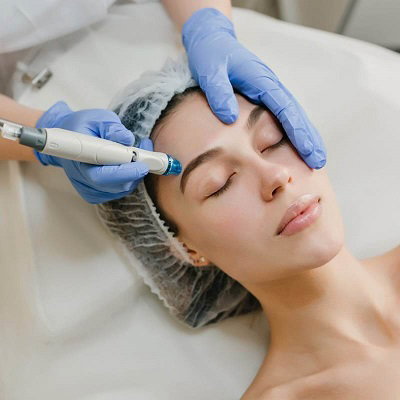
Dermatologists may use in-office procedures to control persistent acne or reduce scarring, such as:
- Chemical peels to remove dead skin cells and unclog pores
- Laser or light therapy to target bacteria and inflammation
- Extraction of blackheads and whiteheads in a sterile environment
These procedures complement topical and oral treatments for faster and more noticeable results.
5. Lifestyle and Skincare Recommendations
A dermatologist also advises on daily habits that minimize recurrence, including:
- Using non-comedogenic, gentle skincare products
- Maintaining a balanced diet and hydration
- Managing stress through mindfulness, exercise, or relaxation techniques
- Avoiding excessive touching or picking of the skin
By combining professional treatment with proper lifestyle choices, patients achieve more stable and long-lasting results.
Why Continuous Management Is Key
Adult acne is often a chronic condition. Unlike adolescent acne, it may not resolve spontaneously and requires a proactive, ongoing approach. Dermatologists in Muscat emphasize that consistent monitoring, adjustment of treatment, and preventive care are essential to minimize flare-ups.Patients who follow this approach often see a significant reduction in recurrence, improved skin texture, and less post-acne scarring.
FAQs About Adult Acne
1. Can adult acne appear for the first time in your 30s or 40s?
Yes. Adult acne can develop at any age, often triggered by hormonal changes, stress, or lifestyle factors.
2. Does diet affect adult acne?
Certain foods, like high-glycemic items or dairy products, may exacerbate acne in some individuals. A dermatologist can guide dietary adjustments as part of a comprehensive treatment plan.
3. Are over-the-counter products effective for adult acne?
Mild acne may respond to OTC products containing benzoyl peroxide or salicylic acid. However, persistent or severe acne usually requires professional evaluation.
4. How long does it take to see improvement with treatment?
With consistent care, mild acne may improve in 4–8 weeks, while moderate to severe cases may take several months of combined therapies.
5. Can adult acne cause permanent scarring?
Yes, if lesions are deep, inflamed, or picked at. Early intervention and proper treatment help reduce the risk of scarring.
6. Is adult acne linked to stress?
Yes. Stress can trigger hormonal changes that increase oil production and inflammation, leading to flare-ups. Stress management is an important part of controlling adult acne.
Conclusion
Recurrent adult acne can be frustrating, but understanding its causes is the first step toward effective management. Hormones, lifestyle factors, genetics, and skincare routines all play a role in why breakouts keep returning.Consulting dermatologists in Muscat allows individuals to receive a tailored, professional approach that addresses underlying causes, offers effective treatments, and provides guidance for daily care. With proper management, adult acne can be controlled, flare-ups minimized, and skin health restored.Adult acne may require ongoing attention, but with expert care and consistent habits, individuals can enjoy clearer, healthier skin and renewed confidence.