Dermatologists Share Tips for Managing Ingrown Hairs
Ingrown hairs are a common skin concern that can affect almost anyone, especially after shaving, waxing, threading, or other hair-removal methods. They occur when a hair curls back into the skin instead of growing outward, often causing a small bump, redness, itching, tenderness, or even a pus-filled spot.Although most ingrown hairs are harmless and eventually resolve on their own, repeated or poorly managed ingrown hairs can lead to inflammation, infection, scarring, and dark marks. This is particularly frustrating when the problem occurs on visible areas such as the face, neck, legs, or underarms.Dermatologists generally recommend focusing on prevention rather than repeatedly picking or squeezing affected areas. Understanding why ingrown hairs develop and learning how to manage them properly can help keep the skin smoother and healthier.For people dealing with persistent or recurring problems, consulting the Best Dermatologists in Muscat can also help identify underlying causes and determine an appropriate treatment plan.
What Causes Ingrown Hairs?
An ingrown hair develops when a hair becomes trapped beneath the surface of the skin or grows back into the skin. This can happen because of the natural direction or texture of hair growth, but hair-removal practices can make the problem more likely.People with curly or coarse hair may be particularly prone to ingrown hairs because the hair can naturally curve back toward the skin. Shaving very closely can also leave a sharp hair tip that may more easily penetrate the surrounding skin.Several everyday factors can contribute to ingrown hairs, including:
- Shaving too closely
- Using a dull razor
- Shaving against the direction of hair growth
- Frequent waxing or plucking
- Friction from tight clothing
- Accumulation of dead skin cells
- Naturally curly or coarse hair
- Repeated irritation of the same area
- Picking or scratching existing bumps
Ingrown hairs can appear anywhere hair grows, although they are particularly common on the face, neck, beard area, bikini line, legs, and underarms.Sometimes, an ingrown hair causes only a tiny bump. In other cases, the surrounding skin becomes significantly inflamed. Persistent inflammation may result in post-inflammatory hyperpigmentation, meaning a darker mark remains after the bump has healed.
How Can Ingrown Hairs Be Prevented?
Prevention starts with changing the habits that contribute to trapped hairs. Dermatologists often recommend reviewing the hair-removal routine rather than simply treating each bump individually.
Prepare the Skin Before Hair Removal
Dry shaving can increase friction and irritation. Using warm water before shaving can help soften both the hair and skin. A gentle shaving cream or gel can provide additional lubrication and reduce friction from the razor.The skin should be handled gently, without aggressive scrubbing immediately before or after hair removal.
Use a Clean, Sharp Razor
A dull razor may require repeated strokes over the same area, increasing irritation. A clean, sharp razor can help reduce unnecessary friction.The razor should be rinsed regularly during shaving, and it should not be shared with another person. Depending on the type of razor and frequency of use, replacing blades regularly can also help maintain a smoother shaving process.
Follow the Direction of Hair Growth
Shaving against hair growth can provide a closer result, but it may also increase the risk of irritation and ingrown hairs for some individuals.Dermatologists often suggest shaving in the direction the hair naturally grows, particularly for people who frequently develop ingrown hairs.
Avoid Stretching the Skin
Pulling or stretching the skin tightly while shaving can result in hairs being cut extremely close to the surface. As the skin returns to its normal position, the shortened hair may become trapped.Keeping the skin relaxed during shaving can therefore be helpful for people who are prone to ingrown hairs.
Avoid Repeated Passes
Going over the same patch of skin several times may increase irritation. If a few hairs remain, it can be better to avoid repeatedly scraping the same area.
What Should Someone Do When an Ingrown Hair Appears?
When an ingrown hair develops, the first step is usually to leave it alone. Picking, squeezing, digging, or scratching the bump can damage the skin and introduce bacteria.A warm, clean compress may help soften the skin and reduce discomfort. Applying it gently for several minutes can make the area more comfortable and may encourage the hair to move closer to the surface naturally.Gentle cleansing is also important. The area can be washed with a mild cleanser and lukewarm water without aggressive rubbing.If the hair becomes visible at the surface, it may sometimes be possible for a healthcare professional to release it safely. Attempting to dig beneath the skin with sharp objects at home is generally not advisable because it can increase the risk of infection and scarring.People should also consider pausing shaving, waxing, or plucking in the affected area until the irritation settles.
Are Exfoliation and Skincare Products Helpful?
Gentle exfoliation can sometimes help reduce the buildup of dead skin cells that contributes to blocked hair follicles. However, aggressive exfoliation can make an already irritated area worse.Depending on the individual's skin type and condition, dermatologists may recommend products containing ingredients such as salicylic acid, glycolic acid, or other exfoliating agents. These products can help remove dead skin cells and improve the appearance of rough or congested skin.However, stronger does not necessarily mean better. Overusing exfoliating products may cause dryness, burning, peeling, or increased sensitivity.A simple skincare routine is often a better starting point:
- Cleanse the skin gently.
- Keep the affected area moisturized.
- Avoid picking or squeezing bumps.
- Use suitable exfoliation when appropriate.
- Protect exposed skin from the sun.
Sun protection is especially important when ingrown hairs leave dark marks. Ultraviolet exposure can make post-inflammatory pigmentation more noticeable or slower to fade.People with sensitive skin, eczema-prone skin, or frequent irritation should seek professional advice before introducing strong exfoliating products.
When Should Someone See a Dermatologist?
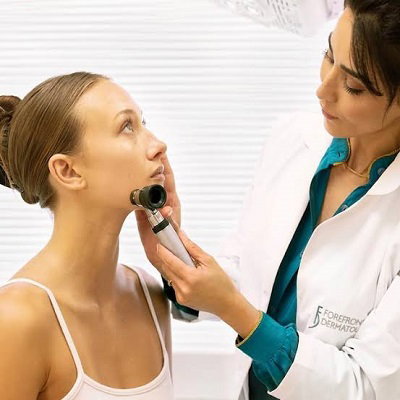
Occasional ingrown hairs are usually manageable with careful skincare and improved hair-removal techniques. However, professional evaluation may be appropriate when the problem becomes frequent, painful, widespread, or difficult to control.A dermatologist can examine the skin and determine whether the bumps are actually caused by ingrown hairs. Several other conditions can produce similar-looking bumps, including folliculitis, acne, certain types of skin irritation, and other inflammatory conditions.Professional advice can be particularly useful when someone experiences:
- Repeated or painful ingrown hairs
- Pus, swelling, or increasing redness
- Skin infections
- Persistent dark marks
- Raised or depressed scars
- Large or deeply trapped hairs
- Ingrown hairs covering a large area
- Problems that continue despite changing shaving habits
Depending on the situation, a dermatologist may recommend topical treatments, anti-inflammatory approaches, treatments for bacterial or fungal involvement when appropriate, or professional hair-removal options.For individuals who experience recurring ingrown hairs and want personalized guidance, searching for the Best Dermatologists in Muscat can be a useful starting point when choosing a qualified skin specialist.
Can Laser Hair Removal Help With Recurring Ingrown Hairs?
For people who repeatedly experience ingrown hairs because of frequent shaving or waxing, longer-term hair-reduction options may be considered.Laser hair removal works by targeting the pigment in hair follicles and reducing hair growth over a series of treatments. Because there can be less hair available to curl back into the skin, some people experience fewer ingrown hairs after appropriate treatment.However, laser treatment is not suitable in exactly the same way for everyone. Results can depend on factors such as hair color, skin tone, hair thickness, hormonal influences, and the type of laser technology used.Professional assessment is important before beginning treatment. A qualified practitioner can evaluate the skin and hair characteristics and discuss realistic expectations, potential side effects, and the number of sessions that may be required.People should also understand that laser hair removal is generally considered a hair-reduction treatment rather than a guaranteed permanent removal of every hair.
Common Mistakes That Can Make Ingrown Hairs Worse
Several common habits can turn a minor ingrown hair into a more significant skin problem.One of the biggest mistakes is squeezing the bump. Although squeezing may seem like a quick solution, it can push inflammation deeper into the skin and increase the likelihood of scarring.Another mistake is using harsh scrubs. Rough exfoliating gloves, abrasive scrubs, or excessive brushing can damage the skin barrier.Shaving immediately over an inflamed bump is another frequent problem. Continued friction can delay healing and increase irritation.Using unclean tweezers or needles to dig for a trapped hair can also introduce bacteria. If a hair is deeply embedded, professional treatment is safer than attempting to remove it aggressively at home.Finally, repeatedly using the same hair-removal technique despite ongoing problems may keep the cycle going. A dermatologist can help determine whether changing the method or considering a longer-term approach would be appropriate.
A Simple Routine for Healthier, Smoother Skin
Managing ingrown hairs does not necessarily require a complicated skincare routine. Consistency is often more useful than using numerous products.A practical approach includes gentle cleansing, appropriate moisturizing, careful shaving technique, and avoiding unnecessary irritation.Before shaving, the skin should be softened with warm water and lubricated with a suitable shaving product. During shaving, light pressure and fewer passes can help reduce irritation.Afterward, the skin should be rinsed gently and moisturized. If an area is particularly prone to ingrown hairs, an appropriate exfoliating product may be incorporated into the routine when the skin is not irritated.Most importantly, people should avoid picking at bumps. If the problem continues despite these measures, professional evaluation can help determine the cause and identify suitable treatment options.
FAQs
1. Why do ingrown hairs keep coming back?
Recurring ingrown hairs can be related to naturally curly or coarse hair, close shaving, waxing, friction, dead skin buildup, or repeated irritation. Some people may also have an underlying skin condition that resembles or contributes to follicular bumps. A dermatologist can help identify the specific cause and recommend a suitable prevention strategy.
2. Should an ingrown hair be squeezed?
Squeezing or picking an ingrown hair is generally discouraged because it can damage the surrounding skin and increase the risk of infection and scarring. A warm compress and gentle skincare may be preferable. If the hair is deeply trapped or painful, professional treatment may be safer.
3. Is shaving or waxing better for preventing ingrown hairs?
There is no single hair-removal method that works perfectly for everyone. Shaving can cause problems when the hair is cut extremely close to the skin, while waxing and plucking can also contribute to inflammation and trapped hairs in susceptible individuals. A dermatologist can help determine which approach may be more appropriate for a particular skin and hair type.
4. Can ingrown hairs leave dark spots?
Yes. Inflammation caused by an ingrown hair can sometimes leave a darker area known as post-inflammatory hyperpigmentation. These marks may gradually become lighter, although the process can take time. Sun protection and appropriate skincare can help prevent pigmentation from becoming more noticeable.
5. When does an ingrown hair require medical attention?
Medical evaluation may be appropriate when an ingrown hair becomes increasingly painful, swollen, warm, or filled with pus, or when redness spreads around the area. Recurrent lesions, significant scarring, or bumps that do not improve should also be assessed because they may have another underlying cause.
6. Can laser hair removal reduce ingrown hairs?
Laser hair removal can reduce hair growth and may help people who frequently develop ingrown hairs related to shaving or other hair-removal methods. Suitability and expected results vary according to skin tone, hair characteristics, treatment technology, and other individual factors. A qualified professional should assess the skin before treatment.
Final Thoughts
Ingrown hairs may be common, but they do not have to become a recurring source of irritation. Gentle hair-removal techniques, appropriate skincare, avoiding picking, and allowing irritated skin time to recover can make a significant difference.When ingrown hairs repeatedly return, become painful, leave persistent marks, or fail to improve with basic care, professional dermatological assessment can help. A dermatologist can distinguish ordinary ingrown hairs from other skin conditions and recommend treatment based on the individual's skin type, hair characteristics, and medical history.For readers seeking professional skin-care guidance, researching the Best Dermatologists in Muscat can help them find qualified dermatological expertise for persistent ingrown hairs and other skin concerns.
Read More About Dermatologists in Muscat: https://www.webseobacklink.com/glutathione-injections-what-are-the-most-important-facts-for-beginners/
