Dermatologists: What They Do and When to Visit One
Healthy skin is more than just an important part of appearance—it also plays a vital role in protecting the body from environmental damage, infections, and harmful UV rays. However, skin, hair, and nail conditions can develop at any stage of life, affecting both physical health and confidence. This is where Dermatologists play an essential role.Dermatologists are medical professionals who specialize in diagnosing, treating, and preventing a wide range of conditions involving the skin, hair, nails, and mucous membranes. Whether someone is dealing with persistent acne, unexplained rashes, hair loss, or changes in moles, dermatologists have the expertise to identify the cause and recommend effective treatment options.Understanding what dermatologists do and recognizing the right time to schedule a visit can help people protect their skin health and prevent minor concerns from becoming more serious. This guide explains their role, the conditions they treat, and when professional care may be beneficial.
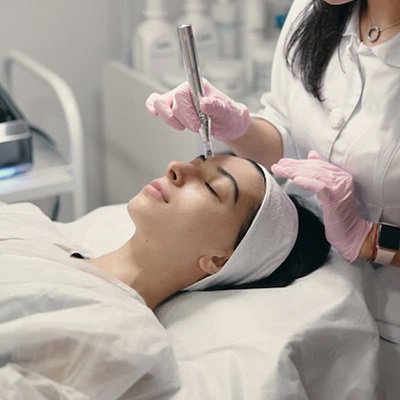
What Do Dermatologists Do?
Dermatologists specialize in maintaining the health of the body's largest organ—the skin. Their work extends far beyond treating acne or cosmetic concerns. They diagnose and manage hundreds of medical conditions that affect the skin, hair, and nails.Their responsibilities typically include:
- Diagnosing skin diseases through physical examinations and diagnostic tests.
- Treating chronic skin conditions with medications and personalized treatment plans.
- Monitoring suspicious moles or skin growths for signs of skin cancer.
- Managing hair and scalp disorders.
- Treating nail abnormalities caused by infections or underlying health conditions.
- Providing preventive skin care advice.
- Performing minor medical procedures when necessary.
Because many skin conditions share similar symptoms, dermatologists use their specialized training to distinguish between different disorders and recommend the most appropriate treatment.
Common Conditions Treated by Dermatologists
Dermatologists diagnose and manage a wide variety of conditions that affect people of all ages. Some of the most common include:
Acne
Acne is one of the leading reasons people visit dermatologists. While mild acne may improve with over-the-counter products, moderate or severe acne often requires prescription medications or professional treatment to reduce inflammation and minimize scarring.
Eczema
Eczema causes dry, itchy, and inflamed skin that may flare up periodically. Dermatologists help identify triggers and create personalized treatment plans to manage symptoms and improve skin comfort.
Psoriasis
Psoriasis is a chronic autoimmune condition that causes thick, scaly patches on the skin. Dermatologists offer treatments that help control flare-ups and reduce inflammation.
Rosacea
Rosacea commonly affects the face, causing redness, visible blood vessels, and sometimes acne-like bumps. Early diagnosis helps prevent symptoms from worsening over time.
Skin Infections
Bacterial, viral, fungal, and parasitic skin infections often require professional diagnosis because they can resemble other skin disorders. Dermatologists determine the exact cause and prescribe appropriate treatment.
Hair Loss
Hair thinning or excessive shedding can result from genetics, hormonal changes, nutritional deficiencies, stress, or medical conditions. Dermatologists evaluate the underlying cause and recommend suitable therapies.
Nail Disorders
Changes in nail color, thickness, texture, or shape may indicate infections, injuries, or systemic health problems. Dermatologists diagnose nail disorders and provide targeted treatment.
Skin Cancer Screening
Routine skin examinations are an important part of detecting skin cancer early. Dermatologists evaluate unusual moles, lesions, or growths and determine whether additional testing or treatment is necessary.
When Should Someone Visit a Dermatologist?
Many people delay seeking professional help, hoping skin problems will resolve on their own. However, certain symptoms should not be ignored.A visit to dermatologists is recommended if someone experiences:
- Acne that does not improve after several weeks of home treatment.
- Persistent itching, redness, or skin irritation.
- A rash that spreads quickly or becomes painful.
- Changes in the size, color, or shape of a mole.
- Sudden or excessive hair loss.
- Recurring skin infections.
- Chronic dry or flaky skin that interferes with daily life.
- Painful or infected nails.
- Wounds or sores that do not heal properly.
- Any unusual skin growth that continues to enlarge.
Early evaluation often leads to faster diagnosis and more effective treatment, reducing the risk of complications.
How Dermatologists Diagnose Skin Conditions
Proper diagnosis is the foundation of successful treatment. Dermatologists use several methods to determine the cause of skin, hair, or nail concerns.The diagnostic process may include:
- Reviewing medical history.
- Asking about symptoms and lifestyle factors.
- Conducting a detailed skin examination.
- Using specialized instruments to examine skin lesions.
- Performing skin biopsies when necessary.
- Ordering laboratory tests if an infection or autoimmune condition is suspected.
- Conducting allergy testing for certain skin reactions.
Accurate diagnosis allows dermatologists to create treatment plans tailored to each individual's specific condition.
Treatment Options Offered by Dermatologists
Treatment varies depending on the condition, its severity, and the patient's overall health. Dermatologists may recommend one or more of the following options.
Prescription Medications
Many skin conditions respond well to prescription creams, ointments, antibiotics, antifungal medications, or oral medications that reduce inflammation or fight infection.
Lifestyle and Skin Care Recommendations
Simple changes in skin care routines, sun protection, diet, or personal hygiene may significantly improve certain conditions.
Medical Procedures
Some skin concerns require minimally invasive procedures such as:
- Removal of suspicious skin growths.
- Treatment of cysts or warts.
- Drainage of skin abscesses.
- Cryotherapy for certain lesions.
- Light-based therapies for selected skin disorders.
These procedures are typically performed in an outpatient setting with minimal recovery time.
Long-Term Management
Chronic conditions like eczema, psoriasis, and rosacea often require ongoing care. Dermatologists monitor treatment progress and adjust therapies as symptoms change over time.
Benefits of Seeing Dermatologists Early
Seeking professional care early offers several advantages beyond symptom relief.Some important benefits include:
- Faster diagnosis of underlying conditions.
- Reduced risk of permanent skin damage or scarring.
- Better management of chronic skin diseases.
- Early detection of potentially dangerous skin cancers.
- Personalized treatment plans based on individual skin needs.
- Improved confidence and quality of life.
- Education on preventive skin care practices.
Early intervention can often prevent minor concerns from developing into more complicated health issues.
Tips for Maintaining Healthy Skin
Although dermatologists provide expert treatment when problems arise, healthy daily habits play an important role in preventing many skin conditions.Helpful skin care practices include:
- Cleanse the skin gently using products suitable for individual skin types.
- Wear sunscreen daily to protect against harmful UV rays.
- Stay hydrated throughout the day.
- Eat a balanced diet rich in vitamins and antioxidants.
- Avoid smoking and excessive alcohol consumption.
- Refrain from picking acne or skin lesions.
- Moisturize regularly to support the skin barrier.
- Perform routine self-checks for new or changing moles.
- Schedule professional skin evaluations when recommended.
Consistent skin care habits combined with timely medical attention can help maintain healthier skin throughout life.
Conclusion
Dermatologists play a crucial role in diagnosing, treating, and preventing conditions affecting the skin, hair, and nails. Their expertise extends beyond cosmetic concerns, helping patients manage chronic diseases, identify infections, detect skin cancer early, and improve overall skin health.Knowing when to seek professional advice is just as important as practicing good daily skin care. Persistent symptoms, unexplained changes in the skin, recurring infections, or unusual hair and nail problems should never be ignored. Early evaluation often leads to more successful treatment outcomes and greater peace of mind.Whether addressing a long-standing skin condition or seeking guidance on preventive care, consulting dermatologists can help individuals protect both their health and their confidence for years to come.
FAQs
1. What conditions do dermatologists treat?
Dermatologists diagnose and treat a wide range of conditions, including acne, eczema, psoriasis, rosacea, skin infections, hair loss, nail disorders, allergic skin reactions, and skin cancer.
2. When should someone visit a dermatologist?
A dermatologist should be consulted if a skin problem persists, worsens, causes pain or discomfort, changes in appearance, or does not improve with basic home care. Unusual moles and persistent rashes also require professional evaluation.
3. Can dermatologists help with hair loss?
Yes. Dermatologists diagnose the underlying causes of hair loss and recommend treatments based on factors such as genetics, hormonal changes, medical conditions, or nutritional deficiencies.
4. Do dermatologists only treat skin problems?
No. Dermatologists also diagnose and treat conditions affecting the hair, scalp, nails, and certain mucous membranes, making them specialists in more than just skin health.
5. How often should someone have a skin examination?
The frequency depends on personal risk factors, age, medical history, and family history of skin cancer. Individuals with higher risk may benefit from regular professional skin examinations as recommended by their healthcare provider.
6. Can dermatologists help prevent skin problems?
Yes. Dermatologists provide preventive guidance on sun protection, proper skin care routines, early detection of skin cancer, and lifestyle habits that support healthy skin.
Read More About Dermatologists: https://linkmate.mn.co/posts/breast-surgery-understanding-the-healing-timeline
