Does Peptides Treatment Help With Wrinkles?
As people age, wrinkles and fine lines become one of the most common skin concerns. The search for effective anti-aging solutions has led to the rise of various treatments, from creams to advanced clinical procedures. One promising approach gaining attention in recent years is Peptides Treatment. But what are peptides, and can they really help reduce wrinkles? This article explores the science behind peptides, their role in skincare, and how they might be a beneficial addition to your anti-aging routine.
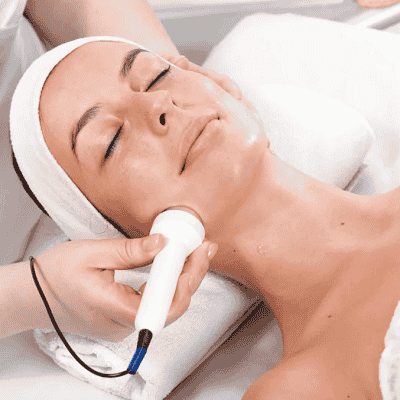
What Are Peptides?
Peptides are short chains of amino acids, the building blocks of proteins. In the body, proteins like collagen, elastin, and keratin are essential for maintaining skin structure, elasticity, and firmness. Peptides function as signaling molecules, instructing the skin to perform specific tasks such as producing more collagen, repairing tissue, or reducing inflammation.Because of their small size, peptides can penetrate the skin more effectively than larger proteins, making them a valuable ingredient in anti-aging treatments.
How Wrinkles Form
To understand how peptides can help with wrinkles, it’s important to know why wrinkles appear in the first place. Wrinkles are caused by a combination of factors:
- Natural aging: As we age, the skin produces less collagen and elastin, leading to sagging and the formation of fine lines.
- Sun damage: UV rays break down collagen and accelerate skin aging, known as photoaging.
- Lifestyle factors: Smoking, poor diet, and stress contribute to skin deterioration.
- Repeated facial expressions: Over time, movements such as frowning or squinting can create dynamic wrinkles.
Given that collagen depletion is a primary cause of wrinkles, stimulating collagen production becomes a key target for anti-aging treatments—this is where peptides come into play.
How Peptides Work on Wrinkles
Peptides used in skincare are often categorized based on their function. For wrinkle reduction, the most commonly used peptides include:
- Signal peptides: Encourage the skin to produce more collagen, elastin, and other essential proteins.
- Neurotransmitter-inhibiting peptides: Often referred to as “Botox-like peptides,” they help relax facial muscles, reducing the appearance of expression lines.
- Carrier peptides: Help deliver trace elements such as copper to the skin, aiding in tissue repair and regeneration.
By targeting the underlying causes of wrinkles—collagen loss and repeated muscle contraction—peptides offer a multi-faceted approach to anti-aging.
Benefits of Peptides Treatment for Wrinkles
Many people wonder if peptides treatment can deliver visible results. Research and anecdotal evidence suggest several benefits:
- Boosting collagen production: Collagen is vital for skin elasticity. Peptides stimulate collagen synthesis, helping reduce fine lines and improve skin firmness.
- Smoothing fine lines: Neurotransmitter-inhibiting peptides can temporarily relax facial muscles, softening expression lines.
- Enhancing skin barrier: Some peptides strengthen the skin’s protective barrier, reducing water loss and keeping the skin hydrated, which can make wrinkles less noticeable.
- Improving skin texture: Regular use of peptide treatments can lead to smoother, plumper skin with a more youthful appearance.
- Minimal side effects: Compared to more invasive treatments, peptides are generally well-tolerated and safe for most skin types.
Different Forms of Peptides Treatments
Peptides can be incorporated into skincare in various ways, making them accessible for different preferences and lifestyles.
- Topical creams and serums: The most common form of peptides treatment. These products contain carefully formulated peptides designed to penetrate the skin and stimulate collagen production.
- Peptide injections: These treatments deliver peptides directly into the skin and are sometimes used in combination with other anti-aging procedures.
- Peptide masks: Facial masks infused with peptides provide a temporary boost in hydration and skin elasticity.
The choice of treatment depends on individual skin needs, tolerance, and desired results. Consistency is key—peptides work gradually over time, and visible improvements often appear after several weeks of regular use.
Tips for Maximizing Peptides Treatment
To get the best results from peptides treatment, consider the following tips:
- Combine with other anti-aging ingredients: Ingredients like hyaluronic acid, antioxidants, and retinoids can complement the effects of peptides.
- Protect your skin from the sun: Sun exposure can break down collagen and limit the effectiveness of peptides, so daily sunscreen use is essential.
- Maintain a healthy lifestyle: Proper nutrition, hydration, and stress management enhance the skin’s ability to repair itself and respond to treatments.
- Be patient: Unlike quick-fix procedures, peptides provide gradual improvements. Consistent application over several weeks is necessary to notice visible changes.
Are There Any Side Effects?
Peptides are generally considered safe for most skin types. However, some individuals may experience mild reactions such as redness, irritation, or itching, especially if the formulation contains additional active ingredients. Patch testing a new product before full application is always recommended.Unlike invasive procedures, peptides carry minimal risk and can be used long-term as part of a daily skincare routine.
Frequently Asked Questions (FAQs)
1. How long does it take to see results from peptides treatment?
Results vary depending on the type of peptide and individual skin condition. Typically, noticeable improvements appear after 4 to 12 weeks of consistent use.
2. Can peptides completely eliminate wrinkles?
Peptides can significantly reduce the appearance of fine lines and improve skin texture, but they may not completely eliminate deep wrinkles. They are most effective when used early in the aging process or in combination with other treatments.
3. Are peptide treatments suitable for sensitive skin?
Yes, most peptide formulations are gentle and suitable for sensitive skin. It is advisable to perform a patch test first to ensure there is no reaction.
4. Can peptides be used with retinol or vitamin C?
Yes, peptides can be combined with other skincare actives, but it’s best to introduce them gradually to avoid potential irritation. Some experts recommend using peptides in the morning and retinol at night for optimal results.
5. How often should peptides be applied?
Topical peptides are usually applied once or twice daily, depending on the product instructions. Consistency is key for achieving the best results.
6. Are peptide injections more effective than creams?
Peptide injections can provide more immediate results because they deliver the active ingredients directly into the skin. However, topical peptides can still be very effective over time and are less invasive.
Conclusion
Peptides treatment offers a scientifically-backed, non-invasive approach to combating wrinkles and improving overall skin health. By stimulating collagen production, relaxing facial muscles, and enhancing the skin barrier, peptides can reduce the appearance of fine lines and promote a youthful complexion.While they may not entirely replace more intensive procedures for deep wrinkles, peptides are a valuable tool in any anti-aging skincare routine. With consistent use, sun protection, and a healthy lifestyle, peptides can help individuals achieve smoother, firmer, and more radiant skin.
