Facelift Surgery Recovery: When Can You Return to Work?
Facelift Surgery in Muscat has become an increasingly popular choice for individuals looking to restore a youthful appearance and rejuvenate their facial features. While the procedure can produce impressive results, one of the most common concerns among first-time patients is understanding the recovery timeline and knowing when it’s safe to return to work. Proper preparation and recovery planning are essential to ensure a smooth healing process and optimal outcomes.
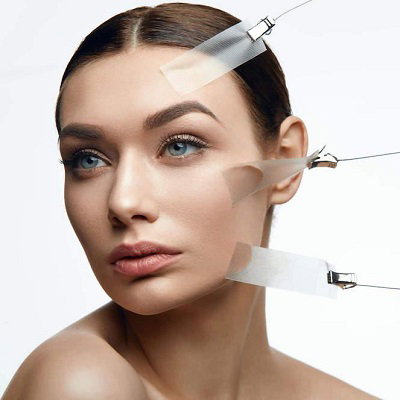
Understanding Facelift Surgery
Facelift surgery, medically known as rhytidectomy, is a surgical procedure designed to address signs of aging in the face and neck. These signs can include sagging skin, deep wrinkles, jowls, and loss of facial definition. Unlike non-invasive treatments, a facelift provides long-lasting, noticeable improvements by tightening underlying muscles and removing excess skin.For patients considering facelift surgery in Muscat, understanding the procedure, recovery process, and realistic expectations is crucial. Recovery timelines can vary depending on the extent of the surgery, individual health factors, and adherence to post-operative care instructions.
Immediate Recovery After Facelift Surgery
The first few days following surgery are critical for healing. Patients typically experience swelling, bruising, and mild discomfort, which are normal parts of the recovery process.
What to Expect in the First 48–72 Hours
- Swelling and bruising: Most prominent during the first two to three days. Applying cold compresses (as advised by the surgeon) can help reduce swelling.
- Pain management: Mild pain or tightness is common and can usually be controlled with prescribed medications.
- Rest: Keeping the head elevated and avoiding unnecessary movement helps minimize swelling and promotes healing.
During this initial period, it’s important to follow all post-operative instructions carefully. Patients should also arrange for someone to assist them at home, as mobility may be limited.
First Week: Adjusting to Recovery
During the first week, most patients begin to notice gradual improvements in discomfort, though swelling and bruising may persist.
- Incision care: Surgical sites must be kept clean and monitored for signs of infection.
- Activity restrictions: Patients are advised to avoid bending, heavy lifting, or strenuous activities. Light walking is encouraged to promote circulation.
- Follow-up visits: Regular check-ups with the surgical team ensure that healing is progressing as expected and that any issues are addressed promptly.
Many patients can perform light household activities but should continue to rest as much as possible.
Returning to Work: Typical Timelines
The timeline for returning to work varies depending on the individual and the type of work involved. Generally:
- Desk jobs or low-activity work: Many patients can return within 2–3 weeks, once swelling and bruising have subsided to a manageable level.
- Physically demanding jobs: Jobs involving heavy lifting, bending, or vigorous activity may require a longer recovery period, often 4–6 weeks.
It’s important to remember that even if a patient feels ready to return to work, residual swelling, bruising, or tightness may still be present. Using makeup or hairstyles to conceal minor bruising can help patients feel more confident when rejoining their professional environment.
Tips to Speed Up Recovery
While healing takes time, certain strategies can help facilitate a smoother recovery after facelift surgery in Muscat.
Maintain a Healthy Lifestyle
- Nutrition: Eating a balanced diet rich in vitamins and protein supports tissue repair.
- Hydration: Staying well-hydrated helps reduce swelling and promotes overall wellness.
- Avoid smoking and alcohol: Both can interfere with healing and increase the risk of complications.
Gentle Activity
Short, gentle walks improve circulation and reduce the risk of blood clots, but high-impact exercise should be avoided until cleared by the surgeon.
Proper Wound Care
Following instructions on cleaning and caring for incisions, applying ointments, and avoiding direct sun exposure helps prevent infection and promotes optimal scar healing.
Adequate Sleep
Sleeping with the head elevated on multiple pillows reduces swelling and encourages fluid drainage from the face.
Long-Term Recovery and Expectations
Full recovery from facelift surgery can take several months. Swelling may continue to diminish gradually, and scars typically fade over time. Patients can expect:
- Natural-looking results: The final outcome may not be fully apparent until 3–6 months post-surgery.
- Longevity of results: Facelifts provide long-lasting improvements, though aging continues naturally over time.
- Follow-up care: Periodic check-ins ensure that healing is progressing and help address any concerns.
Patients who maintain a healthy lifestyle, protect their skin from sun damage, and adhere to post-operative instructions often enjoy more sustainable results.
FAQs About Facelift Surgery Recovery
1. How long is the initial downtime after facelift surgery?
Most patients experience the most noticeable swelling and bruising in the first 1–2 weeks, with gradual improvement thereafter.
2. Can I return to work if my face is still swollen?
Yes, many patients return to work with minimal visible swelling or use makeup to cover minor bruising. However, physically demanding tasks should be postponed until fully cleared by a surgeon.
3. When can I resume exercise after facelift surgery?
Light walking can be started after a few days, but strenuous exercise or heavy lifting is generally delayed for 4–6 weeks.
4. Will scars be visible after surgery?
Incisions are typically placed along the hairline or around the ears to minimize visibility. Scars usually fade over time with proper care.
5. Are there long-term restrictions after a facelift?
Most patients return to their normal routine, but maintaining a healthy lifestyle and protecting the skin from sun exposure helps preserve results.
6. How can I manage swelling and bruising?
Cold compresses in the initial days, keeping the head elevated, and following all post-operative instructions can help minimize swelling and bruising.
Conclusion
Understanding the recovery timeline and preparing for post-surgery care are key aspects of a successful facelift experience. For those considering facelift surgery in Muscat, following pre- and post-operative guidelines, planning for downtime, and gradually returning to work ensures both safety and satisfaction. While each patient’s healing journey is unique, most people find that with patience and proper care, they can resume professional and social activities within a few weeks, enjoying rejuvenated, natural-looking results that enhance confidence and overall well-being.
