Facelift Surgery: What First-Time Patients Need to Know
Facial aging is a natural process, but for many people, the visible signs of time—such as sagging skin, deep creases, and loss of facial definition—can feel out of sync with how they feel inside. Facelift Surgery has become one of the most well-known cosmetic procedures for addressing these concerns, helping individuals achieve a refreshed, more youthful appearance while still looking like themselves.For first-time patients, however, the idea of surgery can feel overwhelming. Questions about safety, recovery, results, and expectations are common—and completely normal. This guide walks through everything a beginner should know about Facelift Surgery in a clear, friendly, and realistic way, making it easier to decide whether this procedure aligns with personal goals.
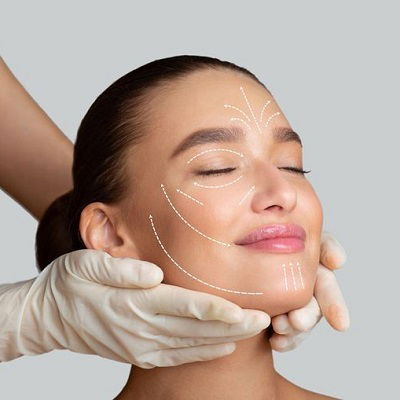
What Is Facelift Surgery and What Does It Address?
Facelift Surgery, medically known as rhytidectomy, is a cosmetic procedure designed to reduce visible signs of aging in the face and neck. It focuses on repositioning underlying tissues, tightening muscles, and removing excess skin to restore a firmer, smoother facial contour.Unlike quick cosmetic treatments that target surface-level concerns, Facelift Surgery works deeper within the facial structure. It can address issues such as:
- Sagging cheeks and jawline
- Deep folds around the nose and mouth
- Loose skin in the lower face and neck
- Loss of facial definition due to gravity and aging
It is important for first-time patients to understand that a facelift does not stop aging. Instead, it turns back the clock by several years, offering a more rested and rejuvenated appearance rather than a completely different face.
Who Is a Good Candidate for Facelift Surgery?
Facelift Surgery is not limited to a specific age group. People consider it at different stages of life depending on genetics, lifestyle, and personal preferences. Generally, suitable candidates share a few common characteristics.A good candidate is someone who:
- Is in overall good physical health
- Has noticeable facial sagging or deep wrinkles
- Maintains realistic expectations about results
- Does not smoke or is willing to stop during recovery
- Is emotionally prepared for surgery and healing time
First-time patients often worry about being “too young” or “too old” for Facelift Surgery. In reality, candidacy depends more on skin condition and facial structure than age alone. Many individuals choose the procedure when non-surgical options no longer provide satisfying results.
Types of Facelift Surgery Explained Simply
One of the most confusing aspects for beginners is that Facelift Surgery is not a single, one-size-fits-all procedure. There are different approaches, each designed to target specific concerns.A traditional facelift focuses on the mid-to-lower face and neck, making it suitable for people with more advanced signs of aging. A mini facelift, on the other hand, is less extensive and typically addresses early sagging around the jawline and cheeks.Some facelifts focus primarily on the lower face, while others combine facial and neck tightening for more balanced results. The technique used depends on factors such as skin elasticity, bone structure, and desired outcome.Understanding these options helps first-time patients feel more confident during consultations and ensures they can communicate their goals clearly.
What Happens During the Facelift Surgery Process?
Knowing what to expect can significantly reduce anxiety for first-time patients. Facelift Surgery is usually performed under anesthesia and follows a carefully planned process.The procedure typically involves:
- Making discreet incisions, often hidden along natural creases or the hairline
- Lifting and repositioning underlying facial tissues
- Tightening muscles to restore firmness
- Removing excess skin for a smoother contour
- Closing incisions carefully to minimize visible scarring
The length of surgery varies depending on the technique used and whether additional procedures are performed at the same time. While the idea of surgery may sound intimidating, modern techniques prioritize safety, precision, and natural-looking outcomes.
Recovery and Healing: What First-Time Patients Should Expect
Recovery is a key concern for anyone considering Facelift Surgery, especially those going through it for the first time. Healing is a gradual process, and patience plays a big role in achieving the best results.In the early days, swelling, bruising, and mild discomfort are common. These effects gradually subside over the following weeks. Most people can return to light daily activities within a couple of weeks, though full recovery may take longer.During the healing phase, patients are usually advised to:
- Keep the head elevated
- Avoid strenuous activities
- Follow aftercare instructions carefully
- Attend follow-up appointments as recommended
Understanding that recovery is temporary but results are long-lasting helps many first-time patients feel more at ease.
Benefits, Risks, and Realistic Expectations
Like any surgical procedure, Facelift Surgery comes with both benefits and potential risks. Being informed is essential for making a confident decision.The benefits often include:
- A younger, more refreshed facial appearance
- Improved facial contours and definition
- Long-lasting results compared to non-surgical treatments
- Increased confidence and self-image
Potential risks may include swelling, scarring, or temporary numbness, though these are typically minimized with proper care and realistic expectations. It is crucial for first-time patients to understand that perfection is not the goal. The aim of Facelift Surgery is enhancement, not transformation.
How Long Do Facelift Surgery Results Last?
One of the most appealing aspects of Facelift Surgery is the longevity of its results. While aging continues naturally, many people enjoy the benefits for years.The durability of results depends on factors such as:
- Skin quality and elasticity
- Lifestyle habits like sun protection and skincare
- Overall health and genetics
Maintaining a healthy lifestyle and good skincare routine can help extend the youthful appearance achieved through Facelift Surgery.
Preparing Emotionally and Mentally for Facelift Surgery
Beyond physical preparation, emotional readiness is equally important. First-time patients often benefit from reflecting on their motivations and expectations.Understanding why they want Facelift Surgery—whether for personal confidence, professional reasons, or self-care—can help ensure satisfaction with the outcome. Taking time to research, ask questions, and mentally prepare for the recovery period contributes to a smoother overall experience.
Frequently Asked Questions About Facelift Surgery
1. Is Facelift Surgery only for older individuals?
No. Facelift Surgery is suitable for adults of various ages depending on facial aging, skin condition, and personal goals.
2. Will the results look natural?
When performed with modern techniques and realistic expectations, Facelift Surgery aims to create a refreshed and natural appearance rather than an artificial look.
3. How long is the recovery period?
Initial recovery usually takes a few weeks, but subtle healing continues over several months as swelling fully resolves.
4. Are scars visible after Facelift Surgery?
Incisions are typically placed in discreet areas, and scars tend to fade over time, becoming less noticeable.
5. Can Facelift Surgery be combined with other procedures?
Yes, it is sometimes combined with complementary treatments to enhance overall facial balance, depending on individual needs.
6. Is Facelift Surgery permanent?
The results are long-lasting, but aging continues naturally. Most people enjoy the benefits for many years.
Final Thoughts for First-Time Patients
Facelift Surgery is a personal decision that deserves thoughtful consideration and reliable information. For first-time patients, understanding the process, recovery, benefits, and limitations helps reduce uncertainty and build confidence.When approached with realistic expectations and a clear understanding of what it can achieve, Facelift Surgery can be a rewarding step toward feeling more comfortable and confident in one’s appearance.
