Fat Melting Injections: What Are They and How Do They Work?
Fat Melting Injections have become a topic of growing interest among people looking for non-surgical ways to improve areas of stubborn body fat. Unlike traditional weight-loss methods, these treatments are generally designed for localized fat reduction, meaning they may be considered for small areas where fat remains despite healthy eating and regular physical activity.The term “fat melting injections” is commonly used to describe injectable treatments that can help break down fat cells in specific areas. However, not every injection marketed under this name contains the same ingredient or works in exactly the same way. Understanding what these treatments are, how they work, what results can realistically be expected, and what risks may be involved can help people make more informed decisions.It is also important to remember that these treatments are not a replacement for weight management. They are typically intended for body contouring rather than treating obesity or producing significant overall weight loss.
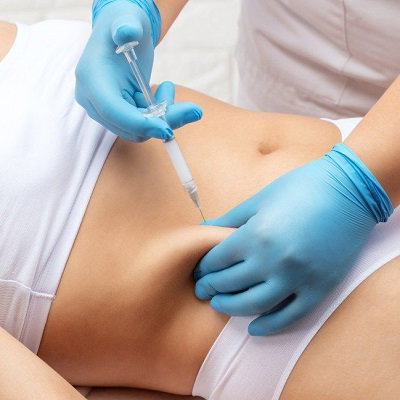
What Are Fat Melting Injections?
Fat melting injections are injectable treatments intended to reduce localized pockets of unwanted fat. One of the best-known active ingredients used for this purpose is deoxycholic acid, a naturally occurring substance involved in the body's processing of dietary fat.When appropriately injected into fatty tissue, deoxycholic acid can disrupt the membranes of targeted fat cells. Once these cells are damaged, the body gradually processes and removes their cellular remains through normal metabolic and immune pathways.Because the treatment acts locally, it is different from medicines or programs designed to produce whole-body weight loss. The goal is usually to improve the contour or appearance of a particular area rather than significantly reduce a person's overall body weight.Depending on the product, treatment area, and local medical regulations, injectable fat-reduction treatments may be used for specific areas of subcutaneous fat. A qualified healthcare professional should determine whether a particular treatment is suitable for an individual.
How Do Fat Melting Injections Work?
The basic idea behind fat melting injections is relatively straightforward, although the biological process takes place gradually.After the substance is injected into the targeted fatty tissue, it interacts with the membranes surrounding fat cells. With deoxycholic acid-based treatments, this interaction can cause the fat cells to break down.The body then gradually clears the cellular debris. Because this process takes time, changes are generally not immediate. Swelling or temporary inflammation may actually make the treated area look different shortly after treatment before the longer-term improvement becomes visible.Several factors can influence the final outcome, including:
- The amount and location of localized fat
- The individual's anatomy
- The treatment technique
- The number of treatment sessions
- The body's response to treatment
- Lifestyle habits after treatment
An important point is that fat cells that are successfully destroyed do not simply regenerate in the same way. However, remaining fat cells can still enlarge if a person gains weight. Maintaining a stable, healthy weight can therefore help preserve body-contouring results.
What Areas Can Fat Melting Injections Treat?
The appropriate treatment area depends heavily on the specific injectable product and its approved uses. Some injectable fat-reduction treatments have been specifically studied and authorized for reducing fat beneath the chin in appropriate patients.Other substances are sometimes promoted for areas such as the abdomen, thighs, arms, or other parts of the body. However, approval, evidence, safety, and appropriate use can vary significantly between products and countries.This distinction matters because the phrase fat melting injections can refer to a broad range of procedures. Some products may have strong clinical evidence for a particular indication, while others may have limited evidence or may not be approved for cosmetic fat reduction.Anyone considering treatment should therefore ask exactly what substance is being injected, whether it is approved for the proposed treatment area, and what scientific evidence supports its use.
What Happens During a Fat Melting Injection Treatment?
Before treatment, a healthcare professional generally assesses the area, the amount of localized fat, the condition of the skin, and the person's overall suitability for the procedure.The treatment area may be marked to help guide the injection pattern. A series of small injections can then be administered into the targeted fatty tissue.The number of injections and amount of product depend on the treatment area and the specific injectable being used. A session may be relatively short, but the overall treatment plan can involve multiple sessions separated by an appropriate recovery period.Temporary reactions are common. These may include swelling, redness, tenderness, bruising, firmness, numbness, or discomfort around the treated area. Such effects can be particularly noticeable when treating sensitive regions.Patients should follow the aftercare instructions provided by their healthcare professional and avoid assuming that more product or more frequent treatment will necessarily produce better results.
What Results Can Be Expected?
One of the biggest misconceptions about fat melting injections is that they provide instant or dramatic weight loss. They generally do not.The purpose of localized fat-reduction injections is body contouring, not major weight reduction. Results develop gradually as the body processes the treated fat cells. Depending on the treatment, multiple sessions may be recommended to achieve the desired level of improvement.The outcome can also differ from person to person. Some individuals may notice a meaningful improvement in the contour of the treated area, while others may experience a more subtle change.Realistic expectations are particularly important. These treatments cannot guarantee perfectly smooth skin, complete fat removal, or a particular body shape. Factors such as loose skin, muscle structure, genetics, and the distribution of fat can all affect the visible result.Before-and-after photographs can sometimes help demonstrate potential outcomes, but they should not be interpreted as a guarantee of what another person will experience.
Are Fat Melting Injections Safe?
Like any medical or cosmetic procedure, fat melting injections can involve risks and side effects. Common short-term reactions can include pain, swelling, redness, bruising, tenderness, firmness, itching, or temporary numbness.Less common but potentially more serious complications can occur, particularly when injections are administered incorrectly or into unsuitable anatomical areas. Depending on the substance and treatment location, complications may include infection, tissue injury, nerve-related problems, uneven results, or difficulty swallowing.This is why the person administering the treatment matters. Injectable fat-reduction procedures should be performed by an appropriately qualified healthcare professional who understands the relevant anatomy, product information, contraindications, injection technique, and potential complications.Consumers should also be cautious about products offered without clear information about their ingredients, regulatory status, source, or appropriate medical use. A treatment described simply as a “fat dissolving injection” does not automatically have the same safety profile or evidence as an approved injectable medicine.
Who May Be a Suitable Candidate?
Fat melting injections may be considered by adults who have relatively small, localized areas of unwanted subcutaneous fat and who are looking for a non-surgical contouring option.However, being interested in the procedure does not necessarily mean someone is an appropriate candidate. A healthcare professional may consider factors such as medical history, medications, allergies, skin condition, pregnancy or breastfeeding status, previous procedures, and the location and amount of fat.People with significant excess weight may need a different approach. In such cases, nutrition, physical activity, medical weight-management strategies, or other evidence-based treatments may be more appropriate than a localized cosmetic procedure.A consultation is therefore an important part of the process. It gives the healthcare professional an opportunity to explain realistic benefits and limitations and helps the patient understand whether another treatment might be more suitable.
Fat Melting Injections vs. Surgical Fat Removal
One reason people consider injectable fat reduction is that it does not involve traditional surgery. Surgical fat removal, such as liposuction, physically removes fat from selected areas, whereas injectable treatments are intended to destroy or reduce targeted fat cells so the body can clear them naturally.The two approaches have different advantages, limitations, recovery requirements, and risk profiles.Injectable treatments may appeal to people who want a non-surgical option and have relatively small areas of localized fat. Surgical procedures may provide more substantial fat removal but involve an operation, anesthesia considerations, recovery, and surgical risks.Neither approach should automatically be considered “better.” The appropriate option depends on the person's goals, anatomy, medical circumstances, and expectations.
How Can Results Be Maintained?
Although treated fat cells may be permanently destroyed, maintaining a healthy lifestyle remains important. Weight gain can cause the remaining fat cells to enlarge, potentially changing the overall contour of the treated area.A balanced eating pattern, regular physical activity, adequate sleep, and sustainable weight-management habits can support longer-lasting cosmetic results.It is also helpful to understand that body-contouring treatments do not prevent future weight gain. They are designed to modify a specific area rather than change the body's overall metabolism.People should therefore view fat melting injections as one possible component of a broader approach to appearance and wellness—not as a substitute for healthy lifestyle habits.
Frequently Asked Questions
1. Do fat melting injections help with weight loss?
Fat melting injections are generally intended for localized fat reduction and body contouring rather than significant overall weight loss. They may improve the appearance of a small pocket of fat but should not be considered a primary treatment for obesity or general weight management.
2. How quickly do fat melting injections show results?
Results usually develop gradually rather than immediately. Initial swelling and inflammation can temporarily hide the cosmetic improvement. The body needs time to process the treated fat cells, and some people may require more than one treatment session.
3. Are fat melting injections painful?
Some discomfort can occur during or after injections. Tenderness, burning, swelling, bruising, and sensitivity may occur in the treated area. The level of discomfort varies depending on the individual, treatment area, product, and technique used.
4. Are fat melting injections permanent?
Fat cells that are successfully destroyed by an appropriate treatment may not return in the same form. However, remaining fat cells can enlarge with weight gain. Maintaining a stable, healthy weight can help support the appearance of the results.
5. Can anyone get fat melting injections?
No. Suitability depends on the specific product, treatment area, medical history, and individual goals. A qualified healthcare professional should evaluate the person before treatment and discuss potential risks, benefits, alternatives, and expected results.
6. Are all fat-dissolving injections the same?
No. Different products can contain different ingredients and may have different levels of clinical evidence, regulatory approval, recommended treatment areas, and safety considerations. Anyone considering treatment should ask what product is being used and whether it is authorized for the intended purpose.
Fat melting injections can be an option for people interested in non-surgical treatment of certain localized fat deposits, but understanding the procedure is essential before making a decision. The most important considerations are the active ingredient, evidence behind the treatment, approved uses, potential side effects, realistic expectations, and the qualifications of the person performing the injections.When used appropriately in suitable candidates, injectable fat reduction may offer gradual improvement in specific areas without traditional surgery. However, it is not a shortcut for weight loss, and results vary from person to person. A professional assessment can help determine whether this approach is appropriate or whether another option would better match the individual's goals.
Read More About Fat Melting Injections: https://globbook.com/blogs/372714103210958848/ozempic-injection-vs-mounjaro-key-differences-explained
