Glutathione Injections: What Are They and How Do They Work?
Glutathione injections have gained attention in recent years among people interested in antioxidant support, skin health, and overall wellness. Glutathione Injections is a naturally occurring antioxidant produced by the human body, where it plays an important role in protecting cells from oxidative stress and supporting several natural metabolic processes.While glutathione is also available through foods and oral supplements, injections deliver the substance directly into the body. This difference has contributed to growing interest in glutathione injections as a treatment option.However, understanding what glutathione injections actually do is important before considering them. Their effects, benefits, limitations, and safety depend on factors such as the individual's health, the reason for treatment, the amount administered, and how frequently treatment is given.
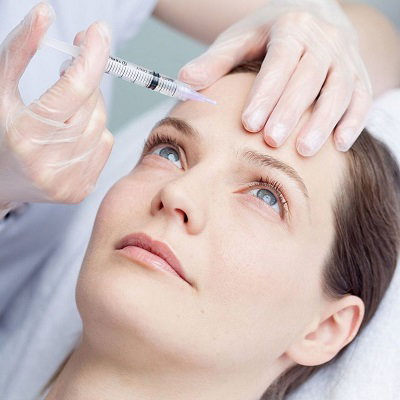
What Is Glutathione?
Glutathione is a small molecule made from three amino acids: cysteine, glutamic acid, and glycine. It is naturally produced by cells throughout the body and is particularly important in tissues involved in detoxification and metabolism.One of glutathione's primary functions is antioxidant activity. Oxidative stress occurs when potentially harmful molecules called free radicals become excessive in the body. Glutathione helps neutralize some of these molecules, contributing to the body's natural defense system.Glutathione also participates in processes that help the body handle certain compounds and medications. It helps maintain the balance of other antioxidants and contributes to normal cellular function.Because of these roles, glutathione has attracted interest beyond general health. It is sometimes discussed in connection with skin appearance, particularly uneven pigmentation and a desire for a brighter-looking complexion.It is important to distinguish between glutathione's biological functions and claims made about specific cosmetic or wellness outcomes. Research into injectable glutathione for cosmetic purposes remains limited, and results can vary considerably between individuals.
How Do Glutathione Injections Work?
Glutathione injections introduce glutathione into the body without relying on digestion and intestinal absorption in the same way an oral supplement does. Depending on the treatment protocol, glutathione may be administered through an intravenous or intramuscular route.Once administered, glutathione becomes available to participate in the body's antioxidant and cellular processes. The exact way the body handles an injected dose depends on several factors, including the route of administration, dose, metabolism, and the individual's overall health.One reason injections receive attention is the possibility of achieving higher circulating levels than may occur with some oral preparations. However, this does not automatically mean that injections provide better long-term results for every purpose.For skin-related use, glutathione is often discussed because of its possible influence on melanin production. Melanin is the pigment responsible for much of the color of the skin, hair, and eyes. Laboratory and small clinical studies have explored whether glutathione can influence pathways involved in pigmentation.The evidence, however, does not establish injectable glutathione as a universally effective skin-lightening treatment. Outcomes can differ, and more high-quality research is needed to determine appropriate doses, treatment schedules, long-term effectiveness, and safety.
Potential Benefits of Glutathione Injections
The potential benefits of glutathione injections depend heavily on why they are being considered. Glutathione itself has established biological functions, but evidence for injectable glutathione as a wellness or cosmetic treatment is more limited.
Antioxidant Support
Glutathione helps protect cells against oxidative stress. Maintaining adequate antioxidant defenses is part of normal cellular health, although this does not mean that additional injected glutathione necessarily produces a noticeable health benefit in otherwise healthy individuals.
Support for Normal Cellular Processes
Glutathione participates in several biochemical reactions within the body. It is involved in maintaining cellular redox balance and supporting the body's natural handling of certain substances.
Possible Effects on Skin Pigmentation
Some people seek glutathione injections because of claims that they may produce a brighter or more even skin tone. Glutathione has been investigated for its possible effect on melanin pathways, and some small studies have reported changes in pigmentation.However, these findings should be interpreted cautiously. The available evidence is not strong enough to guarantee a particular cosmetic result, and injectable glutathione should not be viewed as a quick or universally reliable method for changing natural skin color.
Interest in General Wellness
Glutathione is frequently marketed as an antioxidant or detox-support treatment. While glutathione is genuinely involved in the body's natural antioxidant and metabolic systems, the concept of using injections as a routine "detox" treatment is not strongly supported by clinical evidence.The body already has sophisticated systems involving the liver, kidneys, lungs, gastrointestinal tract, and immune system for processing and eliminating waste products. Glutathione injections should therefore not be presented as a substitute for these normal functions.
Who May Consider Glutathione Injections?
A person considering glutathione injections should first determine why the treatment is being considered. Injectable glutathione may be discussed in certain medical or research settings, but its use for cosmetic purposes requires particularly careful consideration because evidence and treatment protocols are not standardized.A qualified healthcare professional can assess the individual's medical history, current medications, allergies, underlying conditions, and treatment goals before determining whether an injectable treatment is appropriate.People should also be cautious about treatments marketed with guaranteed results, unusually broad health claims, or promises of rapid and permanent skin lightening. A responsible treatment approach should explain both potential benefits and limitations.Pregnant or breastfeeding individuals, people with significant medical conditions, and those taking regular medications should seek professional medical advice before considering injectable treatments.
Are Glutathione Injections Safe?
Safety is one of the most important considerations when discussing glutathione injections.Glutathione is naturally present in the body, but that does not mean every injectable formulation or dose is automatically safe. Injectable treatments can carry risks related to the substance itself, the dose, the method of administration, product quality, and the conditions under which the injection is prepared and given.Potential adverse effects may include injection-site discomfort, nausea, abdominal symptoms, headache, dizziness, or other reactions. More serious complications can occur with improperly prepared, contaminated, or unsuitable injectable products.Another consideration is the lack of standardized protocols for some cosmetic uses. Different providers may use different doses, schedules, combinations, or routes of administration. This makes it particularly important for individuals to understand what is being administered and why.A healthcare professional should be able to explain the product being used, the intended purpose, possible risks, expected outcomes, and circumstances in which treatment should be avoided or stopped.
What Should Someone Expect During Treatment?
The experience can vary depending on whether glutathione is administered intravenously or intramuscularly.With intravenous administration, the substance is delivered into a vein, often through an IV line. The procedure may take longer because the substance is administered gradually. With intramuscular administration, the injection is given into muscle tissue and generally takes less time.The number and frequency of treatments depend on the purpose of treatment and the protocol being followed. There is no universally established schedule that guarantees the same result for everyone.People considering treatment should also understand that cosmetic effects, when they occur, may not be immediate or permanent. Skin pigmentation is influenced by genetics, hormones, sun exposure, inflammation, medications, and several other factors. Continued ultraviolet exposure, for example, can contribute to pigmentation changes regardless of whether someone has received glutathione.For anyone pursuing a cosmetic goal, sun protection and a consistent skincare routine may be important parts of a broader approach.
Glutathione Injections vs. Oral Supplements
Glutathione is available in several forms, including foods that support the body's antioxidant systems, oral supplements, and injectable preparations.Injectable glutathione differs from oral products because it bypasses the digestive tract. This has led to interest in whether injections can raise glutathione availability more directly. However, greater exposure does not necessarily translate into better clinical outcomes.Oral supplements also vary substantially in formulation and absorption. Some products use glutathione itself, while others contain nutrients intended to support the body's own glutathione production.The best approach depends on the person's health status and reason for supplementation. Rather than assuming that injections are automatically more effective, an individual should discuss the evidence and potential risks with a qualified healthcare professional.
Frequently Asked Questions
1. What are glutathione injections used for?
Glutathione injections are used or promoted for several purposes, including antioxidant support and cosmetic skin-brightening goals. However, the strength of scientific evidence varies depending on the intended use. Injectable glutathione should not be considered a guaranteed treatment for skin pigmentation or general health concerns.
2. How long does it take to see results from glutathione injections?
There is no single timeline that applies to everyone. Any noticeable effect can depend on the reason for treatment, individual biology, treatment protocol, and other factors. Cosmetic changes, when reported, may require multiple treatments and may not occur at all.
3. Can glutathione injections permanently lighten the skin?
There is not sufficient evidence to conclude that glutathione injections can permanently and predictably lighten a person's natural skin color. Pigmentation is influenced by many biological and environmental factors, and any cosmetic effects reported in studies or individual experiences may vary.
4. Are glutathione injections suitable for everyone?
No. Suitability depends on a person's health, medications, allergies, medical history, treatment goals, and the specific injectable product. Pregnant or breastfeeding individuals and people with certain health conditions should obtain appropriate medical advice before considering injectable glutathione.
5. Are there side effects from glutathione injections?
Possible side effects can include discomfort at the injection site, nausea, headache, dizziness, or other reactions. Injectable treatments also carry risks associated with administration and product quality. Anyone experiencing unusual or severe symptoms after an injection should seek prompt medical attention.
6. Is glutathione better as an injection or supplement?
Neither form can automatically be considered better for everyone. Injections and oral supplements differ in how they are administered and absorbed, while evidence for specific health or cosmetic outcomes varies. The appropriate option depends on the individual's circumstances and the reason for considering glutathione.
Final Thoughts
Glutathione is an important antioxidant naturally produced by the body and involved in several essential cellular processes. Glutathione injections have attracted interest because they provide a direct route of administration and are sometimes promoted for antioxidant, wellness, or cosmetic purposes.At the same time, it is important to separate established biological functions from claims that require more research. Evidence surrounding injectable glutathione for cosmetic skin-lightening purposes remains limited, and there is no guarantee of a particular result.Anyone considering Glutathione Injections should focus on informed decision-making rather than marketing promises. Understanding the intended purpose, potential benefits, possible side effects, treatment protocol, and available scientific evidence can help an individual make a safer and more realistic choice.
Read More About Glutathione Injections: https://www.cqcinvestigations.co.uk/how-many-areas-can-liposuction-surgery-treat-at-once/
