Hair Transplant and Aging: When Is the Right Time?
Hair loss is a common concern for both men and women as they age. It can affect self-esteem, appearance, and overall confidence. With modern medical advancements, Hair Transplant in Muscat has become a reliable solution for restoring hair and rejuvenating one’s look. However, one of the most frequently asked questions is: when is the right time to undergo a hair transplant? This article explores the factors to consider, the impact of aging on hair restoration, and how to make an informed decision.
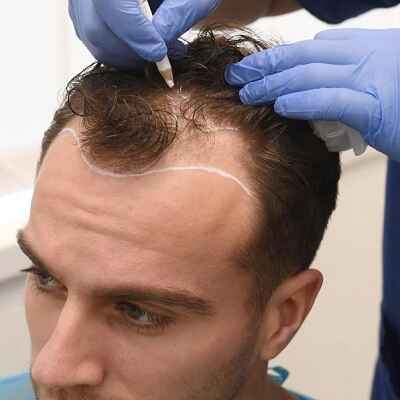
Understanding Hair Loss and Aging
Hair loss occurs naturally with age due to factors such as genetics, hormonal changes, and environmental influences. Common patterns of hair loss include:
- Male pattern baldness: Receding hairlines and thinning at the crown
- Female pattern hair loss: Diffuse thinning, often around the parting line
- Alopecia areata or other conditions: Patches of hair loss due to autoimmune or medical conditions
Aging can accelerate these patterns, making hair restoration more challenging if delayed too long. Understanding the timing of hair loss and its progression is crucial when considering a transplant.
How Hair Transplants Work
A hair transplant involves transferring healthy hair follicles from donor areas—typically the back or sides of the scalp—to thinning or bald regions. The two main techniques are:
- FUE (Follicular Unit Extraction): Individual follicles are extracted and implanted, leaving minimal scarring.
- FUT (Follicular Unit Transplantation): A strip of scalp is removed, dissected into individual follicles, and transplanted.
Both methods aim to create a natural-looking hairline and restore density, offering long-term results when performed correctly.
Factors Influencing the Right Time for a Hair Transplant
Determining the ideal timing depends on several key factors:
1. Age and Hair Loss Pattern
- Younger Adults (20s–30s): Early intervention can prevent extensive baldness, but surgeons may advise caution as hair loss patterns may not yet be stable.
- Middle Age (30s–50s): Hair loss patterns are more established, making it easier to plan the transplant for natural results.
- Older Adults (50+): Transplants are still possible, but hair density, scalp elasticity, and overall health must be considered.
2. Stability of Hair Loss
Hair transplant success depends on stable hair loss. Patients with rapidly progressing baldness may need ongoing treatments or additional procedures to maintain results. Evaluating family history and hair loss progression helps determine the optimal timing.
3. Health and Lifestyle Considerations
Good overall health improves the likelihood of successful hair transplantation and recovery. Factors to consider include:
- Chronic conditions like diabetes or cardiovascular issues
- Smoking, which can affect healing
- Medications that impact blood flow or hair growth
Addressing these factors beforehand ensures the best outcomes.
4. Realistic Expectations
Patients should have realistic expectations about what a transplant can achieve. Aging affects hair quality and density, so understanding that transplants may restore coverage but not fully replicate youthful hair is important.
Benefits of Timing a Hair Transplant Appropriately
Choosing the right time for a hair transplant can have several advantages:
- Natural-Looking Results: Early intervention allows for gradual restoration and a more balanced hairline.
- Minimized Need for Multiple Procedures: Stable hair loss patterns reduce the likelihood of additional surgeries.
- Enhanced Confidence: Restoring hair at the right time can have a positive psychological impact, improving self-esteem and social interactions.
- Better Healing and Recovery: Younger or healthier patients generally recover faster and experience fewer complications.
Signs That It May Be Time for a Hair Transplant
Several indicators suggest that a hair transplant could be appropriate:
- Significant thinning or bald patches that have stabilized
- Desire to improve appearance and self-confidence
- Sufficient donor hair for transplantation
- Understanding of post-transplant care and recovery requirements
Patients should consult with a hair restoration specialist to evaluate these factors and create a personalized plan.
Preparing for a Hair Transplant
Preparation plays a key role in success:
- Medical Evaluation: A thorough check-up ensures the patient is healthy enough for surgery.
- Scalp Care: Treating scalp conditions and maintaining hygiene is essential.
- Lifestyle Adjustments: Avoid smoking, excessive alcohol, and blood-thinning medications before surgery.
- Setting Expectations: Understanding the timeline for hair growth, which typically begins a few months after the procedure, helps patients stay patient and confident.
Proper preparation improves graft survival, healing, and overall satisfaction.
Frequently Asked Questions (FAQs)
1. Is there an age limit for hair transplants?
There is no strict age limit, but candidates should be in good health, and younger patients may need to wait for hair loss patterns to stabilize.
2. Can older adults benefit from a hair transplant?
Yes, older adults can still achieve significant improvement, though hair quality and scalp elasticity may influence results.
3. How long does it take to see results?
Initial growth can appear within 3–4 months, with full results visible after 9–12 months.
4. Is a hair transplant permanent?
Transplanted hair is generally permanent, but surrounding non-transplanted hair may continue to thin over time.
5. Can hair loss continue after a transplant?
Yes, ongoing hair loss may occur in untreated areas, which may require additional procedures or maintenance treatments.
6. How do I know the right time for my hair transplant?
A consultation with a hair restoration professional can assess hair loss pattern, donor availability, and overall health to determine optimal timing.
Conclusion
Deciding when to undergo a Hair Transplant in Muscat involves evaluating age, hair loss stability, health, and expectations. While hair transplants can be effective at many stages of life, proper timing ensures natural-looking results, minimizes complications, and enhances confidence.Consulting with a specialist helps create a personalized plan, ensuring that patients achieve long-lasting results while maintaining realistic expectations. By considering the factors outlined in this guide, individuals can make informed decisions and take the right steps toward restoring hair and boosting self-esteem.
