How Dermatologists Approach Adult Rosacea Treatment
Adult rosacea is a chronic skin condition that affects millions of people worldwide. Characterized by persistent facial redness, visible blood vessels, and sometimes acne-like bumps, rosacea can impact both physical appearance and self-confidence. Managing this condition requires a thoughtful, individualized approach, and dermatologists play a crucial role in helping patients achieve clearer, healthier skin.For those seeking guidance, understanding how Dermatologists in Muscat approach adult rosacea treatment can empower individuals to make informed choices and improve their quality of life.
Understanding Adult Rosacea
Rosacea is a complex condition that varies widely among individuals. It typically affects the central areas of the face, including the cheeks, nose, chin, and forehead. While the exact cause of rosacea is not fully understood, factors such as genetics, immune system response, environmental triggers, and skin microorganisms are believed to contribute.There are several subtypes of rosacea, including:
- Erythematotelangiectatic rosacea: Characterized by persistent redness and visible blood vessels.
- Papulopustular rosacea: Involves redness with acne-like bumps and pustules.
- Phymatous rosacea: Thickening of the skin, often around the nose.
- Ocular rosacea: Affects the eyes, causing irritation, redness, and swelling.
Recognizing the subtype is essential for dermatologists in Muscat to tailor treatment plans effectively.
Comprehensive Assessment and Diagnosis
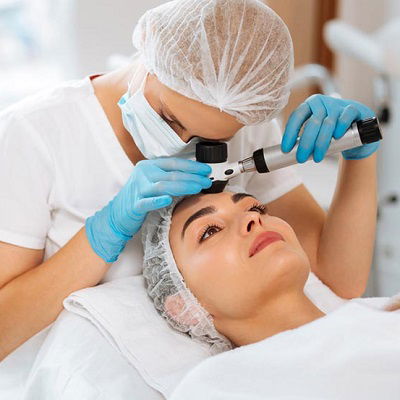
When a patient seeks help, dermatologists begin with a detailed skin assessment and medical history review. This includes identifying triggers such as sun exposure, stress, spicy foods, alcohol, and certain skincare products. A thorough evaluation ensures that the treatment plan addresses not only the symptoms but also the underlying factors that exacerbate rosacea.Sometimes, dermatologists may conduct additional tests to rule out other conditions that mimic rosacea, such as lupus or acne. Accurate diagnosis is the first step toward successful management.
Personalized Treatment Strategies
Dermatologists adopt a multi-faceted approach to treat adult rosacea. The goal is to reduce symptoms, prevent flare-ups, and improve skin appearance. Treatment plans typically combine lifestyle modifications, topical medications, oral therapies, and procedural interventions.
Topical Treatments
Topical medications are often the first line of defense. These include:
- Metronidazole cream or gel: Helps reduce inflammation and redness.
- Azelaic acid: Targets bumps, swelling, and redness while providing mild exfoliation.
- Brimonidine or oxymetazoline: Temporarily constricts blood vessels to reduce visible redness.
Dermatologists in Muscat carefully prescribe these treatments based on skin type and severity, ensuring optimal results with minimal side effects.
Oral Medications
In moderate to severe cases, oral medications may be necessary. Common options include:
- Antibiotics such as doxycycline: Reduce inflammation rather than fight infection.
- Isotretinoin (in severe cases): Helps manage persistent papulopustular rosacea under strict supervision.
These medications are prescribed with consideration for overall health and potential interactions with other treatments.
Lifestyle and Skincare Modifications
Lifestyle adjustments play a significant role in managing rosacea. Dermatologists recommend strategies such as:
- Avoiding known triggers like hot beverages, spicy foods, alcohol, and extreme temperatures.
- Using gentle, fragrance-free cleansers and moisturizers.
- Applying broad-spectrum sunscreen daily to protect sensitive skin from UV-induced flare-ups.
These measures complement medical treatments and help maintain long-term skin health.
Procedural Interventions
For patients with persistent redness, visible blood vessels, or thickened skin, dermatologists may suggest procedural options:
- Laser therapy: Targets blood vessels to reduce redness and flushing.
- Intense pulsed light (IPL): Improves skin tone and texture.
- Dermabrasion or chemical peels (carefully applied): Can help smooth thickened areas in phymatous rosacea.
These procedures are typically customized based on the severity of symptoms and patient preferences.
The Importance of Ongoing Management
Rosacea is a chronic condition, meaning that ongoing management is essential. Dermatologists emphasize regular follow-ups to monitor progress, adjust treatments, and provide guidance on lifestyle modifications. Patients are encouraged to maintain a rosacea diary to track flare-ups and identify triggers.By combining medical treatment with preventive care, individuals can significantly reduce symptoms and maintain healthy, comfortable skin.
FAQs About Adult Rosacea Treatment
1. Can rosacea be cured completely?
Rosacea cannot be fully cured, but with proper management, symptoms can be controlled, and flare-ups minimized.
2. Are there any natural remedies that help with rosacea?
Some people find relief using gentle skincare, green tea extracts, or chamomile-based products. However, these should complement, not replace, professional treatment.
3. How long does it take to see improvement with treatment?
Improvement varies by severity and treatment type. Topical medications may show results within a few weeks, while procedural interventions may take several sessions.
4. Is sun exposure harmful for rosacea?
Yes, UV exposure is a common trigger. Broad-spectrum sunscreen, protective clothing, and avoiding peak sunlight hours are recommended.
5. Can diet affect rosacea?
Certain foods like spicy dishes, hot beverages, and alcohol can trigger flare-ups. Keeping a food diary can help identify personal triggers.
6. Should I see a dermatologist if I have mild rosacea?
Yes. Even mild symptoms benefit from early assessment to prevent progression and tailor an effective treatment plan.
Conclusion
Adult rosacea can be challenging, but with a comprehensive, individualized approach, it is manageable. Dermatologists in Muscat focus on accurate diagnosis, personalized treatment, and patient education to reduce symptoms and improve quality of life. By combining medical therapies, lifestyle adjustments, and preventive care, individuals can achieve healthier, more confident skin. Understanding and partnering with dermatology professionals is key to long-term success in managing rosacea.
