How Dermatologists Treat Acne: Tips That Truly Work
Acne is one of the most common skin concerns worldwide, affecting teenagers, young adults, and even people well into their 30s and 40s. While it may look like a simple cosmetic issue on the surface, acne is actually a complex skin condition influenced by hormones, genetics, lifestyle, environment, and skincare habits. That’s why professional treatment often delivers better, longer-lasting results than home remedies alone. Dermatologists in Muscat and around the world approach acne with a medical and personalized mindset. Instead of focusing only on clearing visible pimples, they aim to understand why acne is happening and how to prevent future breakouts while protecting the skin’s long-term health. This article explores how dermatologists treat acne, what truly works, and what patients should realistically expect from professional care.
Understanding Acne: More Than Just Pimples
Acne develops when hair follicles become clogged with oil (sebum), dead skin cells, and sometimes bacteria. Hormonal changes can increase oil production, making pores more likely to clog. When bacteria grow inside these blocked pores, inflammation follows, leading to blackheads, whiteheads, papules, pustules, nodules, or cysts.Dermatologists view acne as a medical condition rather than a hygiene problem. Over-washing, harsh scrubs, and random product use can actually make acne worse by irritating the skin and disrupting its natural barrier. This is why expert guidance is essential, especially for persistent or severe acne.
Why Seeing a Dermatologist Makes a Difference
Many people try multiple over-the-counter products before seeking professional help. While some mild acne cases do improve this way, moderate to severe acne often requires targeted treatment.Dermatologists in Muscat typically begin with a thorough skin assessment. They look at acne type, severity, skin type, age, hormonal patterns, lifestyle factors, and previous treatments. This detailed evaluation allows them to design a plan that treats the root cause rather than just the symptoms.Professional treatment also helps reduce the risk of acne scars and post-inflammatory pigmentation, which are common concerns in people with medium to deeper skin tones.
Customized Treatment Plans Based on Acne Type
No two acne cases are exactly alike. Dermatologists tailor treatment plans based on whether acne is mild, moderate, severe, hormonal, or adult-onset.
Mild Acne
For mild acne, treatment may include topical products that help unclog pores, reduce oil production, and control bacteria. Dermatologists often recommend consistent routines rather than aggressive treatments, as mild acne responds well to gentle but regular care.
Moderate to Severe Acne
Moderate acne with inflammation or deeper lesions often requires a combination approach. Dermatologists may use topical treatments alongside oral medications to control inflammation and bacteria from within. Severe acne, especially cystic acne, usually needs close medical supervision to prevent scarring and long-term damage.
Hormonal Acne
Hormonal acne is common in adult women and often appears along the jawline and chin. Dermatologists identify hormonal patterns and recommend treatments that address internal triggers rather than relying solely on surface-level products.
Evidence-Based Treatments Dermatologists Rely On
Dermatologists use treatments backed by scientific research and clinical experience. These methods are chosen carefully to balance effectiveness with skin safety.
Topical Therapies
Topical treatments are a cornerstone of acne management. These products work by reducing clogged pores, calming inflammation, and preventing new breakouts. Dermatologists often adjust strength and formulation based on skin sensitivity to avoid irritation.
Oral Medications
When acne is widespread or deeply inflamed, oral medications may be part of the treatment plan. These help reduce bacteria, inflammation, or hormonal imbalances contributing to acne. Dermatologists closely monitor progress to ensure safety and effectiveness.
In-Clinic Procedures
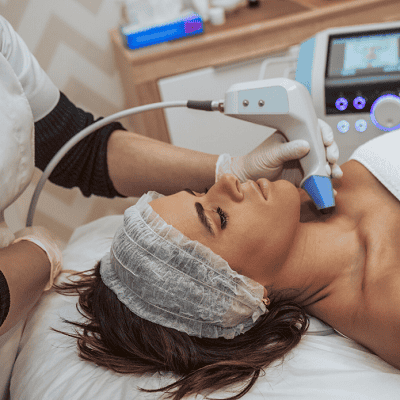
Professional procedures such as chemical exfoliation, light-based treatments, or medical-grade facials may be used to support acne treatment. These procedures help speed up healing, reduce active acne, and improve overall skin texture when performed under expert supervision.Dermatologists in Muscat often recommend these procedures as part of a broader plan rather than standalone solutions.
The Role of Skincare and Lifestyle Guidance
One of the most overlooked aspects of acne treatment is daily skincare and lifestyle habits. Dermatologists spend time educating patients on how to care for their skin properly between visits.They often recommend:
• Using gentle cleansers that do not strip natural oils
• Avoiding harsh scrubs and frequent product switching
• Choosing non-comedogenic skincare and makeup
• Applying sunscreen daily to protect healing skin
• Maintaining consistency rather than expecting overnight resultsLifestyle factors such as stress, diet, sleep, and hydration may also influence acne. While no single food causes acne for everyone, dermatologists help patients identify personal triggers and make realistic adjustments.
Managing Acne Scars and Pigmentation
Treating active acne is only part of the journey. Many people also struggle with acne scars or dark spots left behind after breakouts heal.Dermatologists use specialized treatments to address these concerns safely. Early intervention is key, as treating acne promptly reduces the likelihood of permanent scarring. Over time, professional guidance helps improve skin tone, texture, and confidence.
What Results to Expect and How Long It Takes
One of the most important things dermatologists emphasize is patience. Acne treatment is a gradual process, not an instant fix. Skin usually needs several weeks to respond, and initial flare-ups can sometimes occur before improvement begins.Dermatologists in Muscat guide patients through this process, adjusting treatments as needed and providing reassurance along the way. With consistency and professional care, most people see significant improvement and long-term control of their acne.
When Should You Consider Seeing a Dermatologist?
It may be time to seek professional help if:
• Acne does not improve after several weeks of self-treatment
• Breakouts are painful, deep, or widespread
• Acne is causing emotional distress or affecting self-esteem
• Scarring or dark spots are developing
• Adult-onset acne appears suddenly or worsensEarly intervention often leads to better outcomes and prevents complications.
FAQs About Dermatologist Acne Treatment
1. Can dermatologists treat both teenage and adult acne?
Yes, dermatologists treat acne across all age groups. Treatment plans are adjusted based on age, skin type, hormonal factors, and lifestyle, making them effective for both teenagers and adults.
2. Is acne treatment only about medications?
No, acne treatment is a combination of medical therapy, skincare education, lifestyle guidance, and sometimes in-clinic procedures. Dermatologists focus on a holistic approach.
3. How long does it take to see results from professional acne treatment?
Most patients start noticing improvement within 6 to 8 weeks, but full results may take several months. Consistency is key to long-term success.
4. Can dermatologists help prevent acne scars?
Yes, early and appropriate treatment significantly reduces the risk of scarring. Dermatologists also offer treatments to improve existing scars and pigmentation.
5. Do dermatologists recommend lifestyle changes for acne?
Yes, dermatologists often guide patients on skincare habits, stress management, diet awareness, and sun protection to support medical treatment.
6. Is it safe to continue skincare products during treatment?
Dermatologists usually review existing products and recommend safe options. Using compatible skincare helps avoid irritation and improves treatment results.
Final Thoughts
Acne can be frustrating, confusing, and emotionally challenging, but effective solutions do exist. Dermatologists treat acne with a clear understanding of skin science, offering personalized plans that address both current breakouts and future prevention. Dermatologists in Muscat emphasize evidence-based care, patient education, and long-term skin health rather than quick fixes.With the right guidance, patience, and consistency, acne can be managed successfully. Professional treatment not only clears the skin but also restores confidence, making it a worthwhile investment in overall well-being.
