How Does an IV Drip Deliver Fluids to the Body
An IV Drip is one of the most efficient and commonly used methods in modern healthcare for delivering fluids, nutrients, and medications directly into the bloodstream. It is widely used in hospitals, emergency care, and even wellness settings because it works quickly and bypasses the digestive system entirely. Many people are curious about how this simple-looking setup can have such a powerful and immediate effect on the body.To understand its importance, it helps to look at how the IV drip works inside the body, why it is so effective, and what actually happens from the moment fluid enters the vein.
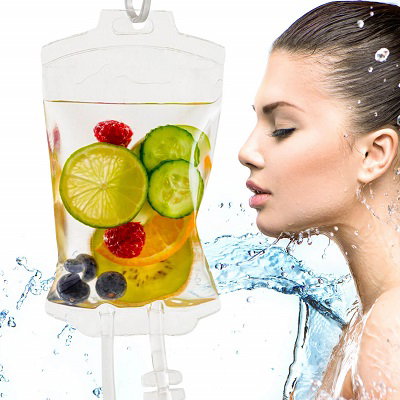
What Is an IV Drip and Why Is It Used?
An IV Drip, short for intravenous drip, is a medical technique where fluids are delivered directly into a vein through a thin tube called a cannula or catheter. These fluids can include saline, electrolytes, vitamins, medications, or a combination depending on the patient’s needs.Unlike oral intake, which must pass through the digestive system, an IV drip sends fluids straight into the bloodstream. This makes it especially useful when a person:
- Is dehydrated and unable to drink enough fluids
- Needs fast medication delivery
- Has nutrient deficiencies requiring quick replenishment
- Is recovering from illness, surgery, or physical exhaustion
Because of its direct delivery system, the IV drip is often considered one of the fastest ways to support hydration and recovery.
How the IV Drip Enters the Body
The process begins with access to a vein, usually in the hand, arm, or sometimes the forearm. A trained professional inserts a small, flexible tube into the vein. This tube is connected to a sterile fluid bag that hangs above the patient.Gravity or a controlled pump helps regulate the flow of fluid. Once the system is set up, the fluid begins to travel slowly and steadily into the bloodstream.From here, the body immediately starts distributing the fluids where they are needed most.
The Science Behind IV Drip Absorption
The reason an IV Drip works so quickly is because it bypasses the digestive system entirely. Normally, when fluids or nutrients are consumed orally, they must pass through the stomach and intestines before entering the bloodstream. This process can take time and may reduce absorption efficiency.With an IV drip, however, the fluid is delivered directly into the venous circulation. This means:
- No breakdown by stomach acids
- No absorption delays in the intestines
- Nearly 100% availability of fluids and nutrients
Once inside the vein, the fluid mixes with the blood and is carried throughout the body by the circulatory system. This allows cells, organs, and tissues to receive hydration or medication almost immediately.
Step-by-Step Process of How an IV Drip Works
Understanding the flow of an IV drip helps clarify how efficiently it supports the body.
1. Preparation of the IV Solution
The process begins with selecting the appropriate fluid. This may include saline for hydration, electrolyte solutions for balance, or medically prescribed medications for specific conditions. Everything is prepared in a sterile environment to ensure safety.
2. Insertion into the Vein
A small catheter is gently inserted into a vein. This is usually done with minimal discomfort. Once inserted, it is secured to prevent movement and ensure steady flow.
3. Connection to the IV Bag
The catheter is connected to a tube that leads to a fluid bag. This bag is raised above the body so gravity can assist in the flow, or a pump may be used to control the speed.
4. Controlled Fluid Delivery
The fluid begins to drip at a regulated pace. This controlled delivery ensures the body absorbs fluids gradually without being overwhelmed.
5. Circulation Through the Body
Once inside the bloodstream, the fluid is carried by the heart and circulatory system. It quickly reaches organs, muscles, and tissues that need hydration or medication.
6. Continuous Monitoring
During the process, the flow is monitored to ensure proper absorption and patient comfort. Adjustments may be made depending on the individual’s condition.
What an IV Drip Delivers to the Body
An IV drip can carry different types of fluids depending on the goal of treatment or support. Each type plays a specific role in improving body function.
Hydration Fluids
Saline solutions are commonly used to restore fluid balance in the body. These help treat dehydration caused by illness, heat exposure, or physical exertion.
Electrolyte Solutions
Electrolytes such as sodium, potassium, and magnesium help maintain nerve function, muscle control, and hydration balance. IV delivery ensures these minerals are quickly restored.
Vitamins and Nutrients
Some IV drips include vitamins like vitamin C, B-complex, and other nutrients. These are delivered directly into the bloodstream for faster absorption compared to oral supplements.
Medications
In medical settings, IV drips are also used to deliver antibiotics, pain relief medications, and other treatments that require fast and reliable absorption.
Benefits of IV Drip Delivery in the Body
The IV drip system offers several important benefits that make it widely used in healthcare and wellness support.
Fast and Direct Action
Because fluids enter the bloodstream directly, results are often felt quickly. This is especially helpful in emergency or dehydration cases.
High Absorption Efficiency
Since the digestive system is bypassed, the body receives nearly all the nutrients or fluids delivered through the IV drip.
Controlled and Precise Delivery
Healthcare providers can adjust the exact amount and speed of fluid delivery, ensuring safe and effective treatment.
Supports Recovery
IV drips are commonly used to support recovery from illness, fatigue, or physical stress by quickly restoring hydration and nutrients.
Safety and What to Expect During an IV Drip
Although an IV drip is generally safe, it must always be administered properly to avoid complications. The process is usually comfortable, with only slight pressure felt during insertion.Some important safety points include:
- Sterile equipment is used to prevent infection
- Flow rate is carefully controlled
- The insertion site is regularly checked for irritation or swelling
- The patient is monitored for comfort and response
Mild sensations like coolness in the arm or a slight pinch during insertion are normal. Most individuals can relax during the procedure, as it is designed to be low-stress and efficient.
When an IV Drip Is Commonly Recommended
An IV drip is used in a wide range of situations where the body needs quick and effective support.It is commonly used for:
- Dehydration due to illness or heat
- Recovery after surgery or medical treatment
- Severe fatigue or weakness
- Inability to take fluids orally
- Rapid medication delivery in medical care
Because it works quickly, it is often chosen when time and absorption efficiency are important factors.
Conclusion
An IV Drip is a highly effective medical method that delivers fluids, nutrients, and medications directly into the bloodstream for rapid and reliable results. By bypassing the digestive system, it ensures immediate absorption and supports the body in situations where quick hydration or treatment is needed.From the moment the fluid enters the vein to its distribution throughout the body, the process is carefully controlled to maximize safety and effectiveness. Whether used for hydration, recovery, or medical treatment, the IV drip continues to be an essential tool in modern healthcare.
Frequently Asked Questions
1. What is an IV drip used for?
An IV drip is used to deliver fluids, nutrients, or medications directly into the bloodstream for fast absorption and treatment.
2. How quickly does an IV drip work?
An IV drip works almost immediately because the fluids enter the bloodstream directly without going through the digestive system.
3. Is getting an IV drip painful?
Most people feel only a slight pinch during insertion, and the rest of the process is usually comfortable.
4. Can an IV drip help with dehydration?
Yes, IV drips are commonly used to quickly restore hydration levels in the body.
5. How long does an IV drip session take?
The duration varies depending on the type and amount of fluid being administered, but it is typically monitored throughout the session.
6. Are IV drips safe?
When administered properly by trained professionals, IV drips are generally considered safe and effective.
Read More About IV Drip: https://666972af349f3.site123.me/blog/ear-reshaping-for-kids-ideal-age-and-safety-facts
