How Does Cosmetic Surgery Work? Simple Explanation
Cosmetic surgery has become increasingly popular as more people look for ways to enhance their appearance, correct physical concerns, or boost self-confidence. While the idea may sound complex or intimidating, the process behind Cosmetic Surgery is actually quite structured, carefully planned, and medically guided.In simple terms, cosmetic surgery involves medical procedures designed to improve or reshape parts of the body. These procedures can range from subtle enhancements to more noticeable transformations. For those exploring the concept for the first time, especially people researching treatment options or general information, understanding how cosmetic surgery works step by step can make the journey feel much clearer and less overwhelming.This article breaks down the entire process in an easy-to-understand way, from consultation to recovery, while keeping everything realistic and informative.
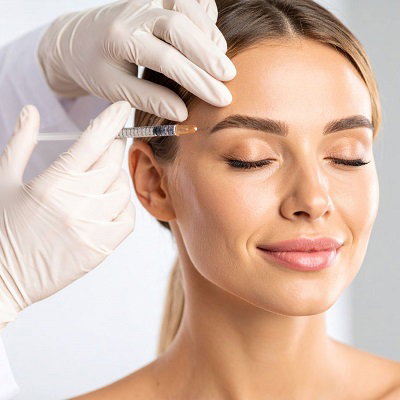
What Is Cosmetic Surgery?
Cosmetic surgery refers to elective medical procedures that focus on improving appearance rather than treating medical emergencies. Unlike reconstructive surgery, which is done to correct defects or injuries, cosmetic procedures are typically chosen by individuals who want to enhance specific features.Common goals of cosmetic surgery include:
- Improving facial harmony
- Enhancing body proportions
- Reducing signs of aging
- Boosting self-confidence
- Refining specific physical features
Popular procedures may involve the face, body, skin, or other areas, depending on individual preferences and goals.
The Initial Consultation: Understanding Goals and Expectations
The first step in cosmetic surgery is the consultation phase. This is where individuals meet with a qualified professional to discuss their concerns and desired outcomes.During this stage, several important things happen:
Personal Goals Are Discussed
The individual explains what they want to improve or change. This could be anything from facial features to body contouring.
Medical History Is Reviewed
Health conditions, past surgeries, allergies, and medications are carefully reviewed to ensure safety.
Physical Assessment Is Done
The area of concern is examined to determine what is realistically achievable.
Expectations Are Set
One of the most important parts of this stage is aligning expectations with realistic outcomes. Cosmetic surgery enhances appearance, but it does not create perfection.This stage ensures that the procedure is safe, suitable, and tailored to the individual’s needs.
How Cosmetic Surgery Procedures Work Step by Step
Although each procedure is different, most cosmetic surgeries follow a similar structure. Understanding this general process helps remove confusion and makes the experience more predictable.
Step 1: Preparation Before Surgery
Before the procedure, individuals are usually given instructions such as:
- Avoiding certain medications
- Stopping smoking if applicable
- Fasting before surgery
- Preparing for recovery time
This preparation helps ensure the body is ready for surgery and reduces risks.
Step 2: Anesthesia Administration
On the day of surgery, anesthesia is used to prevent pain and discomfort. Depending on the procedure, this may be:
- Local anesthesia (numbs a small area)
- General anesthesia (puts the person to sleep)
- Sedation (relaxes the body while remaining partially conscious)
The type of anesthesia depends on the complexity of the procedure.
Step 3: Performing the Procedure
This is the main surgical phase. The technique used depends on the type of cosmetic surgery being performed. It may involve:
- Removing excess tissue
- Reshaping certain areas
- Adding volume using implants or fillers
- Tightening skin or muscles
- Adjusting proportions for balance
Every step is carefully performed to ensure precision and symmetry.
Step 4: Closing and Dressing
Once the procedure is complete, incisions (if any) are closed using sutures or medical adhesives. Dressings or bandages may be applied to protect the area and support healing.
Recovery Process: What Happens After Cosmetic Surgery?
Recovery is an important part of cosmetic surgery and varies depending on the procedure and the individual’s healing ability.
Immediate Recovery Phase
Right after surgery, individuals may experience:
- Swelling
- Mild discomfort
- Bruising
- Fatigue
These effects are normal and gradually improve over time.
Healing at Home
During the recovery period, individuals are usually advised to:
- Rest adequately
- Avoid strenuous activities
- Follow aftercare instructions
- Keep the surgical area clean
- Attend follow-up appointments
Gradual Results Appearance
Cosmetic surgery results do not appear instantly. Swelling needs time to reduce, and tissues must settle into their new shape. Final results may take weeks or even months depending on the procedure.
Factors That Influence Cosmetic Surgery Results
Several factors can affect how well cosmetic surgery works and how natural the results look.
Individual Body Type
Every person’s body responds differently to surgery, influencing healing and final appearance.
Skin Quality and Elasticity
Better skin elasticity often leads to smoother, more natural-looking results.
Age
Younger individuals may heal faster, but cosmetic surgery can be effective at many ages.
Lifestyle Habits
Smoking, poor diet, and lack of sleep can slow down healing and affect results.
Following Aftercare Instructions
Proper aftercare plays a major role in achieving the best possible outcome.
Common Types of Cosmetic Surgery Procedures
Cosmetic surgery includes a wide range of procedures. Some of the most commonly known ones include:
Facial Procedures
These may focus on improving facial balance or reducing signs of aging.
Body Contouring Procedures
These aim to reshape or refine body proportions.
Skin Enhancement Procedures
These help improve skin texture, tone, or overall appearance.Each procedure is tailored to individual goals, making cosmetic surgery highly personalized.
Benefits of Cosmetic Surgery
People choose cosmetic surgery for different reasons, and the benefits often go beyond appearance alone.
Improved Confidence
Many individuals feel more confident after addressing features they were previously concerned about.
Better Body Proportion
Surgical adjustments can help create a more balanced and natural appearance.
Long-Lasting Results
Unlike temporary treatments, cosmetic surgery often provides long-term improvements.
Enhanced Comfort
In some cases, physical comfort improves along with appearance changes.
Is Cosmetic Surgery Safe?
When performed under proper medical standards, cosmetic surgery is generally considered safe. However, like any medical procedure, it carries some risks.Possible risks may include:
- Temporary swelling or bruising
- Infection (rare with proper care)
- Scarring
- Uneven healing
Choosing a qualified and experienced professional, following instructions carefully, and maintaining realistic expectations all contribute to safety and satisfaction.
Final Thoughts
Cosmetic surgery is a carefully planned medical process designed to enhance appearance and improve self-confidence. While it may seem complex at first, the steps are quite structured—from consultation and planning to surgery and recovery.Understanding how cosmetic surgery works helps individuals make informed decisions and set realistic expectations. The key to a successful outcome lies in preparation, communication, and proper aftercare.When approached thoughtfully, cosmetic surgery can offer meaningful and long-lasting improvements that align with personal goals and lifestyle needs.
FAQs
1. What is cosmetic surgery in simple terms?
Cosmetic surgery is a medical procedure designed to improve or enhance a person’s appearance through surgical techniques.
2. Is cosmetic surgery painful?
Most procedures are performed under anesthesia, so there is no pain during surgery. Some discomfort may occur during recovery, but it is usually manageable.
3. How long does it take to recover from cosmetic surgery?
Recovery time depends on the type of procedure, ranging from a few days to several weeks or months for full healing.
4. Are cosmetic surgery results permanent?
Many results are long-lasting, but factors like aging, lifestyle, and weight changes can influence how long they last.
5. Can anyone undergo cosmetic surgery?
Not everyone is a suitable candidate. A medical evaluation is needed to ensure the person is healthy enough for surgery.
6. What is the most important factor for successful cosmetic surgery?
Realistic expectations, proper planning, and following aftercare instructions are key factors for successful results.
Read More About Cosmetic Surgery: https://666972af349f3.site123.me/blog/what-should-you-expect-after-breast-reduction
