How Does Rhinoplasty Work? A Beginner’s Guide
Rhinoplasty, often referred to as a “nose job,” is one of the most popular cosmetic and reconstructive surgical procedures in the world. It’s designed to reshape or refine the nose to enhance facial harmony or to improve breathing function. For many people, rhinoplasty is more than just an aesthetic change—it can be a transformative experience that boosts confidence and comfort in daily life. This guide offers an in-depth look at how rhinoplasty works, what to expect from the procedure, and answers to common questions people often have before deciding to move forward with it.
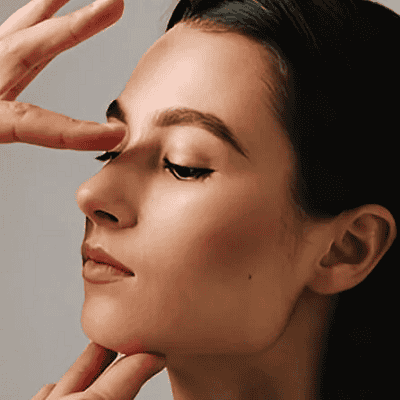
What Is Rhinoplasty?
Rhinoplasty is a surgical procedure that modifies the shape, size, or proportions of the nose. It can correct a variety of concerns, both cosmetic and medical. Some individuals choose rhinoplasty to improve the appearance of their nose—whether to reduce a hump, refine the nasal tip, or create better symmetry. Others undergo rhinoplasty for functional reasons, such as correcting a deviated septum or resolving breathing difficulties caused by structural issues within the nasal passages.The surgery can be performed on its own or combined with other procedures like septoplasty (to fix internal breathing issues). The ultimate goal of rhinoplasty is to achieve a natural-looking result that complements the rest of the facial features while also improving or maintaining nasal function.
Types of Rhinoplasty
There are several approaches to rhinoplasty, and the right one depends on a patient’s goals, anatomy, and desired outcome.
1. Open Rhinoplasty
In this technique, the surgeon makes a small incision on the columella—the narrow strip of tissue between the nostrils—and lifts the nasal skin to access the underlying structures. This allows for precise reshaping and is often used for more complex cases or when significant changes are needed.
2. Closed Rhinoplasty
In closed rhinoplasty, all incisions are made inside the nostrils, leaving no visible external scars. This method is typically used for minor reshaping and adjustments. Since it’s less invasive, patients may experience slightly faster healing times and reduced swelling.
3. Functional Rhinoplasty
This type of procedure focuses on improving breathing rather than appearance. It may involve correcting internal obstructions, repairing a deviated septum, or reconstructing nasal passages following injury or trauma.
4. Revision Rhinoplasty
Sometimes, a person may need a secondary surgery if they are dissatisfied with the results of a previous rhinoplasty or if complications occurred. Revision rhinoplasty is often more complex, as it involves working with scar tissue and previously altered structures.
How Rhinoplasty Works: Step-by-Step Overview
Understanding the surgical process can make the idea of rhinoplasty less intimidating. While the specific details may vary depending on the technique and goals, the general steps are as follows:
1. Consultation and Planning
Before surgery, a thorough consultation is essential. The surgeon evaluates facial features, nasal structure, and overall health. Advanced imaging or 3D simulations may be used to visualize possible outcomes. This discussion ensures both the patient and surgeon share the same expectations.
2. Anesthesia Administration
Rhinoplasty is performed under either general anesthesia or local anesthesia with sedation. This ensures comfort throughout the procedure.
3. Making the Incisions
Depending on whether it’s open or closed rhinoplasty, the surgeon makes small incisions either inside the nostrils or across the columella.
4. Reshaping the Nose Structure
Next, the underlying bone and cartilage are adjusted. For example:
- To reduce the size of a nose, some bone or cartilage may be removed.
- To build up areas, cartilage grafts (taken from the septum, ear, or ribs) may be added.
- The nasal tip can be refined by reshaping cartilage for better definition.
5. Correcting Structural Issues
If the procedure includes functional improvements, the surgeon straightens a deviated septum or repairs internal valves to enhance airflow.
6. Closing the Incisions
Once reshaping is complete, the skin is carefully re-draped over the new nasal framework, and the incisions are closed with fine sutures.
7. Recovery and Healing
After surgery, a splint or bandage is usually placed to support the new shape during healing. Patients are monitored and given detailed aftercare instructions to promote smooth recovery.
What to Expect After Rhinoplasty
Recovery is an important part of the process. Most people experience some swelling, bruising around the eyes, and mild discomfort for the first week. These symptoms typically subside gradually.
- First week: The splint and any nasal packing are usually removed within 5–7 days.
- 2–4 weeks: Bruising fades, and normal daily activities can often resume.
- 3–6 months: Swelling continues to improve, and the nose starts to settle into its refined shape.
- 1 year: Final results are typically visible after full healing, though minor swelling may linger for a few months.
It’s essential to follow the surgeon’s aftercare advice, including avoiding strenuous activity, not wearing glasses on the bridge of the nose during early healing, and keeping the head elevated while resting.
Benefits of Rhinoplasty
The results of rhinoplasty can extend beyond physical appearance. Some of the most common benefits include:
- Improved facial balance: The nose plays a central role in facial symmetry, and small adjustments can create noticeable harmony.
- Enhanced breathing: Correcting internal obstructions helps many people breathe more easily and sleep better.
- Boosted confidence: A refined nasal shape often enhances self-esteem and satisfaction with one’s appearance.
- Permanent results: Once healing is complete, the outcome is long-lasting, barring any injury or trauma.
Possible Risks and Considerations
Like all surgeries, rhinoplasty carries potential risks. These may include infection, bleeding, difficulty breathing through the nose, scarring, or dissatisfaction with the final appearance. Choosing an experienced, board-certified surgeon and following all pre- and post-operative instructions significantly reduces these risks.It’s also important to have realistic expectations. Rhinoplasty can improve the nose’s shape and function but won’t completely change one’s overall appearance or guarantee perfection.
Who Is a Good Candidate for Rhinoplasty?
An ideal candidate for rhinoplasty is someone who:
- Is physically healthy and has no untreated medical conditions that may impair healing
- Has realistic goals and a positive outlook
- Has completed facial growth (usually by late teens)
- Wishes to improve the nose’s appearance or correct breathing issues
A consultation with a qualified professional helps determine whether the procedure is right for an individual’s needs and anatomy.
FAQs About Rhinoplasty
1. How long does rhinoplasty surgery take?
The procedure usually lasts between one and three hours, depending on the complexity and type of rhinoplasty performed.
2. Is rhinoplasty painful?
Most patients report mild discomfort rather than pain. Swelling and congestion are more common sensations, and prescribed medications help manage any discomfort effectively.
3. How long do results last?
Rhinoplasty results are typically permanent. The new shape of the nose remains stable once healing is complete, though natural aging may subtly change facial features over time.
4. Can rhinoplasty fix breathing problems?
Yes, functional rhinoplasty can correct structural issues such as a deviated septum or collapsed nasal valves, which often improve breathing significantly.
5. When can someone return to work or normal activities?
Most people feel comfortable returning to work or school within 1–2 weeks, though strenuous physical activity should be avoided for at least a month to allow proper healing.
6. Are there non-surgical alternatives to rhinoplasty?
Yes, non-surgical rhinoplasty, also known as a “liquid nose job,” uses injectable fillers to temporarily smooth bumps or improve symmetry. However, this option cannot make structural corrections or improve breathing.
Final Thoughts
Rhinoplasty is a highly customizable procedure that combines art and science to create balance, function, and confidence. Whether chosen for aesthetic reasons, medical necessity, or both, it can have a lasting positive impact on how someone looks and feels. Understanding the process—from consultation to recovery—helps anyone considering rhinoplasty make an informed and comfortable decision about their journey toward a more harmonious facial profile.
