How Fast Does Hair Grow After PRP Hair Treatment?
Hair loss can be distressing, affecting self-esteem and overall confidence. Among the many options available today, PRP (Platelet-Rich Plasma) therapy has emerged as a popular and effective treatment for hair thinning and early hair loss. But one common question remains: how fast does hair grow after PRP hair treatment? This article explores the growth timeline, effectiveness, and considerations for those seeking a PRP Hair Transplant in Oman.
Understanding PRP Hair Treatment
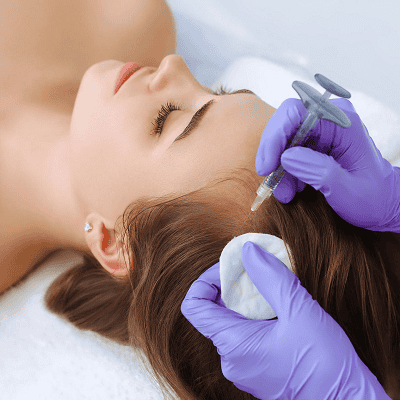
PRP hair treatment is a non-surgical procedure that uses the patient’s own blood to stimulate hair growth. Blood is drawn, processed in a centrifuge to separate the platelet-rich plasma, and injected into the scalp in areas with thinning hair. The platelets are rich in growth factors that enhance blood circulation, improve hair follicle health, and promote natural hair regeneration.Unlike traditional hair transplant surgeries, PRP is minimally invasive, involves less downtime, and focuses on strengthening existing hair rather than creating entirely new hairlines.
How PRP Stimulates Hair Growth
The effectiveness of PRP lies in its ability to reactivate weakened hair follicles. Growth factors in PRP promote:
- Follicle stimulation: Dormant hair follicles are encouraged to start producing new hair.
- Stronger hair strands: Existing hair becomes thicker and healthier.
- Scalp rejuvenation: Increased collagen and blood flow improve scalp health, supporting sustainable growth.
- Reduced hair shedding: PRP strengthens follicles, preventing premature hair loss.
PRP works best for individuals experiencing early-stage hair loss, where follicles are still active but thinning. It is less effective for areas where follicles are permanently inactive.
Typical Hair Growth Timeline After PRP
Hair growth after PRP is gradual and varies by individual. While results depend on factors such as age, genetics, and overall health, a general timeline includes:
- First Month: Minimal visible change. Some patients notice reduced hair shedding.
- 2–3 Months: Hair becomes stronger, with some improvement in density. Small, fine hair (vellus hair) may start appearing.
- 4–6 Months: Noticeable hair growth occurs in previously thinning areas. Hair becomes thicker and fuller.
- 6–12 Months: Maximum results are usually visible, showing improved volume, thickness, and healthier scalp condition.
It is important to remember that hair grows in cycles, and PRP accelerates these cycles rather than producing instant results. Patience and adherence to treatment schedules are essential.
Frequency of PRP Sessions
For optimal results, a standard PRP treatment plan involves:
- Initial Phase: 3–6 sessions spaced 4–6 weeks apart.
- Maintenance Phase: Follow-up sessions every 3–6 months to sustain growth.
Skipping sessions or delaying treatments can reduce effectiveness. Regular sessions allow the scalp to receive continuous stimulation, maximizing hair growth potential.
Benefits of PRP Hair Treatment
PRP offers several advantages over other hair restoration methods:
- Non-surgical and minimally invasive: No cutting or stitching required.
- Natural results: Uses the patient’s own plasma, reducing the risk of adverse reactions.
- Minimal downtime: Patients can resume daily activities immediately.
- Strengthens existing hair: Focuses on improving hair health as well as density.
- Safe and versatile: Can be combined with topical or oral treatments for enhanced results.
These benefits make PRP an appealing choice for individuals looking for a gentle, effective, and natural hair restoration solution.
Factors Affecting Hair Growth After PRP
Several factors influence how fast hair grows after PRP therapy:
- Age: Younger individuals often respond faster due to better follicle activity.
- Hair Loss Severity: Early-stage hair loss responds better than advanced baldness.
- Health and Lifestyle: Proper nutrition, stress management, and avoidance of smoking or excessive alcohol can support growth.
- Consistency of Treatment: Following the recommended schedule enhances effectiveness.
- Scalp Condition: A healthy scalp ensures better absorption of growth factors.
Individual responses vary, so realistic expectations and patience are key to satisfaction with PRP results.
Post-Treatment Care
To maximize results, patients should follow these post-treatment guidelines:
- Avoid washing hair or using harsh chemicals for 24–48 hours.
- Minimize heat styling, coloring, or chemical treatments for at least a week.
- Maintain a balanced diet rich in vitamins, proteins, and minerals that support hair health.
- Protect the scalp from excessive sun exposure.
- Use gentle hair care products to prevent irritation.
Proper aftercare complements the PRP procedure and supports consistent hair growth.
Who Can Benefit Most from PRP Hair Treatment
PRP is most effective for individuals experiencing:
- Mild to moderate hereditary hair loss (androgenetic alopecia).
- Thinning due to hormonal changes, stress, or minor scalp trauma.
- People seeking a non-surgical alternative to hair transplant surgery.
It is less suitable for individuals with complete baldness or scarring alopecia, where follicles are permanently inactive.
Risks and Considerations
PRP is generally safe, but some minor side effects can occur:
- Temporary redness or swelling at injection sites.
- Mild pain or discomfort during the procedure.
- Rare risk of infection if hygiene standards are not strictly followed.
Patients with blood disorders, active infections, or certain medical conditions should consult a professional before undergoing PRP therapy.
FAQs About Hair Growth After PRP
1. How fast will I see visible results?
Most patients notice initial improvement in hair strength and reduced shedding within 2–3 months, with significant growth by 6–12 months.
2. How many sessions are needed for optimal growth?
Typically, 3–6 sessions spaced 4–6 weeks apart, followed by maintenance treatments every few months.
3. Does PRP work for complete baldness?
PRP is less effective for completely inactive follicles or advanced bald areas; it is ideal for early or moderate thinning.
4. Are the results permanent?
Results can be long-lasting with proper maintenance and a healthy lifestyle, but follow-up treatments may be necessary to sustain hair density.
5. Is PRP painful?
Discomfort is usually minimal and manageable with local numbing solutions.
6. Can PRP be combined with other treatments?
Yes, PRP can complement topical, oral, or laser-based hair growth treatments to enhance results.
Conclusion
PRP hair treatment is a scientifically backed, non-surgical method to combat early-stage hair loss. While hair growth is gradual, consistent treatment combined with proper care can lead to noticeable improvements in density, thickness, and overall scalp health. For those looking for a PRP Hair Transplant in Oman, early intervention, adherence to recommended sessions, and realistic expectations are crucial for achieving satisfying, natural-looking results.With minimal downtime, natural results, and a high safety profile, PRP offers an effective solution for individuals aiming to restore hair health and confidence.
