How Is Fat Removed During Liposuction Surgery?
Liposuction is a cosmetic surgical procedure designed to remove localized deposits of excess fat and improve the contour of specific areas of the body. Unlike a general weight-loss treatment, liposuction focuses on areas where stubborn fat may remain despite healthy eating and regular physical activity. For people researching Liposuction Surgery in Oman, understanding exactly how fat is removed can make the procedure easier to understand and help them have more informed discussions with a qualified surgeon.The basic principle is straightforward: a surgeon makes small openings in the skin, places a thin hollow tube called a cannula into the fatty layer beneath the skin, loosens the unwanted fat, and removes it through controlled suction. Different techniques may be used depending on the treatment area, the amount of fat being addressed, the patient's anatomy, and the surgeon's clinical approach.
What Happens Before Fat Removal?
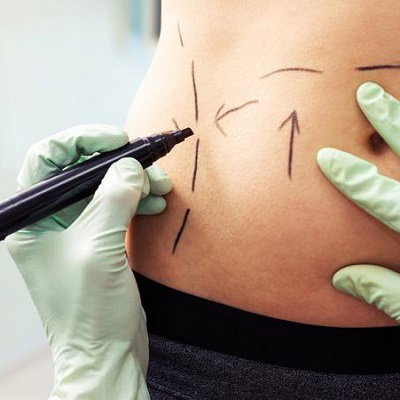
Before liposuction begins, the treatment area is assessed and marked. This planning stage is important because liposuction is primarily a body-contouring procedure. The goal is generally not to remove as much fat as possible, but to reduce selected fatty deposits while maintaining a natural-looking contour.The surgical team also determines the appropriate type of anesthesia. Depending on the extent of treatment and the individual's circumstances, liposuction may involve local or regional anesthesia, intravenous sedation, or general anesthesia. The choice is made according to factors such as the area being treated, the expected amount of fat removal, and overall medical considerations.The surgeon may then inject a specially prepared fluid into the treatment area. This is commonly known as a tumescent or wetting solution. It can contain saline along with medications used to reduce discomfort and bleeding. The fluid also makes the fatty tissue easier to work with during suction.This preparation is an important part of modern liposuction because it allows the surgeon to work through relatively small incisions while helping manage bleeding and discomfort.
How Does the Cannula Remove Fat?
The main instrument used to remove fat is called a cannula. It is a thin, hollow tube that is inserted through a small incision in the skin. The cannula is connected to a suction device or, in some cases, another type of collection system.Once positioned in the fatty layer, the cannula is moved carefully back and forth. This controlled movement separates and loosens fat within the treatment area. A vacuum then draws the loosened fat and fluid through the cannula and out of the body.The process is carefully controlled rather than simply removing a large block of fat. The surgeon works through different portions of the treatment area to create a more even contour. Small incisions may be placed at different points so that the cannula can reach the area from suitable angles.The removed material generally contains a mixture of fat, fluid and some blood rather than pure fat alone. The surgical team monitors the patient throughout the procedure and follows established safety protocols.For someone considering Liposuction Surgery in Oman, it is useful to understand that the visible improvement comes from reducing the volume of fatty tissue beneath the skin and reshaping the treated area. The procedure does not simply make a person lose weight throughout the entire body.
What Are the Different Methods Used to Remove Fat?
Traditional suction-assisted liposuction remains a widely used approach. However, several techniques have been developed to assist with loosening or breaking down fat before it is suctioned.
Traditional or suction-assisted liposuction:
A cannula is inserted beneath the skin and moved in controlled motions to loosen fatty tissue. A vacuum then removes the fat through the cannula. This is one of the most established liposuction approaches.
Power-assisted liposuction:
A specialized cannula vibrates rapidly, helping loosen tougher fatty tissue. This may allow the surgeon to work more efficiently in selected cases.
Ultrasound-assisted liposuction:
This technique uses ultrasonic energy to affect fat before it is suctioned. VASER is a type of ultrasound-assisted approach.
Laser-assisted liposuction:
A laser fiber is introduced through a small incision and used to break down or liquefy fat deposits before the material is removed with a cannula.
Water-assisted liposuction:
A controlled stream of fluid can help loosen fatty tissue before it is removed.Not every technique is appropriate for every patient. The most suitable method depends on the treatment area, desired contouring, medical history, amount of fat involved and the surgeon's assessment.
What Areas Can Be Treated With Liposuction?
Liposuction can be used to contour several areas where localized fat deposits develop. Common treatment areas include the abdomen, hips, thighs, buttocks, arms and neck. Other areas may also be considered depending on the patient's anatomy and treatment goals.The procedure is generally intended for people who have relatively stable body weight but have specific areas of fat that are resistant to diet and exercise. It is not considered a substitute for a healthy lifestyle or a general treatment for obesity.Skin quality also matters. Skin with reasonable elasticity may adapt more effectively to the reduction in underlying fat. If there is substantial loose skin, liposuction alone may not produce the desired contour, and another type of surgical approach may sometimes be discussed.A consultation is therefore important before deciding whether Liposuction Surgery in Oman is appropriate. A qualified surgeon can evaluate the skin, fat distribution, general health and expected outcome rather than relying only on photographs or online descriptions.
What Happens After the Fat Is Removed?
Fat removal is only one part of the liposuction process. After surgery, swelling and bruising are common, and the final contour may not be immediately visible. Compression garments or dressings are often used during recovery to help manage swelling and support the treated tissues.Recovery varies depending on the extent of surgery and the areas treated. Patients are generally advised to follow their surgeon's instructions regarding movement, wound care, medications, compression garments and exercise.The body gradually settles as postoperative swelling decreases. According to the NHS, complete settling of the treated area can take several months in some cases.It is also important to remember that removing fat cells from a particular area does not make future weight gain impossible. Significant weight gain can change the overall body contour and affect the long-term appearance. Maintaining a stable weight through balanced nutrition and physical activity can help preserve the result.
Is Liposuction Safe?
Liposuction is surgery, so it carries potential risks even when performed appropriately. Common postoperative effects can include swelling, bruising, temporary numbness, soreness and fluid drainage from small incision sites.Less common but potentially serious complications include infection, bleeding, fluid collections, irregular contours, blood clots, damage to deeper structures and reactions to anesthesia. Rare complications can include fat embolism or internal organ injury. The risk can increase when larger areas are treated or multiple procedures are performed at the same time.For this reason, anyone considering liposuction should have a detailed consultation with a suitably qualified surgical professional and discuss medical conditions, medications, previous procedures, anesthesia and expected recovery. Choosing an appropriately equipped and accredited surgical facility is also an important part of planning cosmetic surgery.
Frequently Asked Questions
1. Does liposuction remove fat permanently?
Liposuction removes fat cells from the treated area, so those particular cells do not simply grow back in the same way. However, remaining fat cells can enlarge if a person gains significant weight. Maintaining a stable weight can therefore help preserve the body contour.
2. Is liposuction a weight-loss procedure?
No. Liposuction is primarily a body-contouring procedure rather than a treatment for obesity or a replacement for healthy eating and exercise. It is generally intended to address localized fat deposits in people who are otherwise suitable candidates for surgery.
3. Is the fat actually dissolved before it is removed?
Not always. In traditional liposuction, the cannula mechanically loosens the fatty tissue and a vacuum removes it. Some assisted techniques, such as ultrasound- or laser-assisted liposuction, use energy to affect or liquefy fat before suctioning.
4. How long does it take to see the final result?
The initial change may become noticeable after surgery, but swelling can temporarily hide the final contour. Improvement continues as the body heals, and complete settling may take several months in some patients.
5. Can liposuction be performed on more than one body area?
It can be possible to treat multiple areas, but the decision depends on factors such as the total amount of fat being removed, the patient's health, the duration of surgery and safety considerations. Treating larger body surfaces or combining multiple procedures can increase complication risks.
6. What should someone ask before Liposuction Surgery in Oman?
A prospective patient can ask about the surgeon's qualifications and experience, the proposed technique, anesthesia, expected recovery, potential complications, follow-up care and whether the facility is appropriately equipped for the planned procedure. It is also helpful to discuss realistic expectations rather than focusing only on before-and-after photographs.
Liposuction works by carefully removing localized fatty tissue through small incisions using a cannula and controlled suction. Depending on the technique, additional energy or fluid may be used to make fat removal easier. For people researching Liposuction Surgery in Oman, understanding these steps can help them approach consultations with realistic expectations and better questions.The most important consideration is not simply how much fat can be removed, but whether the procedure is medically appropriate and whether the expected contour is realistic for the individual's body, skin quality and health. A qualified surgical professional can explain the available options and the potential benefits and risks based on the patient's specific circumstances.
Read More About Liposuction Surgery: https://www.webseobacklink.com/glutathione-injections-explained-from-appointment-to-aftercare/
