How Long Do Botox Injections Last?
Botox injections are a popular non-surgical cosmetic treatment used to reduce the appearance of facial wrinkles and fine lines. Many people consider Botox Injections because they can provide a smoother, more youthful-looking appearance without the downtime associated with surgical procedures. However, one of the most common questions people have before treatment is: How long does Botox last?In most cases, the visible effects of Botox injections last around three to four months. However, the exact duration can vary from person to person. Factors such as the treatment area, the amount of Botox used, individual muscle activity, metabolism, lifestyle, and previous treatment history can all influence how long the results remain noticeable.Understanding how Botox works and what affects its longevity can help individuals develop realistic expectations and make informed decisions about treatment. While Botox is not permanent, regular treatments may help some people maintain their desired results over time.
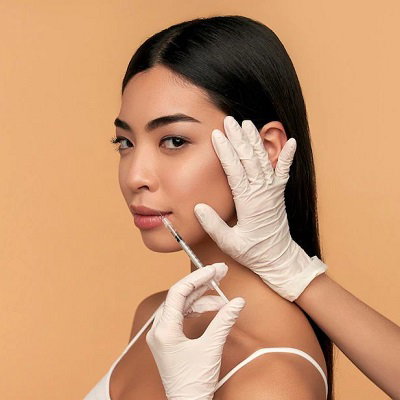
How Long Do Botox Injections Typically Last?
For most individuals, Botox injections provide noticeable results for approximately three to four months. Some people may continue to see benefits for longer, while others may notice the effects beginning to fade sooner.Botox works by temporarily blocking nerve signals that cause targeted muscles to contract. When these muscles relax, the skin above them can appear smoother, helping reduce the appearance of dynamic wrinkles. These are wrinkles that develop from repeated facial movements, such as smiling, frowning, squinting, or raising the eyebrows.The results do not usually appear immediately after treatment. Many people begin noticing changes within a few days, while the full effect often becomes more apparent within about one to two weeks. Once the treatment reaches its peak effect, the results gradually fade as nerve activity and muscle movement return.The gradual nature of Botox results means that most people do not experience a sudden change when the treatment wears off. Instead, facial movement slowly returns, and wrinkles may gradually become more visible again.
What Factors Affect How Long Botox Lasts?
The longevity of Botox injections can differ significantly between individuals. Several factors may influence how long the results remain visible.
Treatment Area
Different areas of the face may respond differently to Botox. Areas with stronger or more active muscles may require different treatment approaches and may show results for varying lengths of time.For example, Botox used to soften forehead lines, frown lines between the eyebrows, or crow's feet around the eyes may have slightly different durations depending on muscle activity in those areas.
Muscle Activity
People who naturally have strong or highly active facial muscles may notice that Botox wears off more quickly. Frequent facial expressions can contribute to the gradual return of muscle movement.This does not mean that Botox will be ineffective. Rather, individuals with more active muscles may require treatment at different intervals to maintain their preferred results.
Metabolism
A person's metabolism may also play a role in how long Botox remains effective. Individuals with faster metabolic rates may process the effects of the treatment more quickly than others.However, metabolism is only one potential factor, and it is difficult to predict exactly how it will affect the duration of Botox for any particular individual.
Dosage and Injection Technique
The amount of Botox used and how it is administered can influence the outcome. Treatment is generally customized according to the individual's facial anatomy, muscle strength, treatment goals, and the area being treated.Using an appropriate amount is important. Too little may not provide the desired effect, while too much may lead to an overly restricted appearance. A qualified and experienced medical professional can determine an appropriate treatment plan based on individual needs.
Previous Botox Treatments
Some individuals find that their Botox results last longer after receiving treatments regularly over time. This may happen because repeated treatments can reduce the strength and activity of certain targeted muscles.However, results vary, and regular Botox does not guarantee that every treatment will last longer than the previous one. The timing of future treatments should be based on individual results and professional medical guidance.
When Do Botox Results Start to Appear?
Botox injections generally do not produce their full effects immediately. The treatment works gradually as the targeted muscles begin to relax.Some individuals may notice subtle changes within the first few days after treatment. The effects typically become more noticeable over the following days, with the final result often developing within approximately one to two weeks.During this period, it is normal for the treatment area to continue changing. The skin may gradually appear smoother as the targeted muscles become less active.If a person does not see the expected results after the appropriate amount of time, a follow-up appointment may be helpful. A medical professional can assess the outcome and determine whether any additional treatment is appropriate.
What Happens When Botox Wears Off?
When Botox begins to wear off, the effects usually disappear gradually rather than all at once. The targeted muscles slowly regain their normal activity as nerve signals return.As movement increases, wrinkles and lines may gradually become visible again. However, the face generally returns to its natural appearance rather than becoming worse because Botox has worn off.It is also important to understand that Botox does not permanently change the facial muscles or stop the natural aging process. Once the effects have faded, the skin continues to age naturally.Some individuals choose to schedule repeat Botox injections when they notice movement returning or when wrinkles become more noticeable. Others may decide to wait longer between treatments. There is no universal schedule that works for everyone.A qualified healthcare professional can help determine an appropriate treatment interval based on the individual's response, goals, and overall health.
How Can Someone Maintain Botox Results Longer?
Although there is no guaranteed way to make Botox last significantly longer, certain habits may support healthy-looking skin and help individuals get the most from their treatment.Protecting the skin from excessive sun exposure is one of the most important steps. Ultraviolet radiation can contribute to premature skin aging and the development of wrinkles. Using a broad-spectrum sunscreen and taking other sun-protection measures can help protect the skin.A consistent skincare routine may also support overall skin health. Gentle cleansing, regular moisturizing, and the use of suitable anti-aging skincare products can complement cosmetic treatments.Healthy lifestyle habits can also be beneficial. Eating a balanced diet, staying adequately hydrated, avoiding smoking, getting enough sleep, and limiting excessive alcohol consumption may contribute to healthier-looking skin.It is equally important to follow post-treatment instructions provided by the healthcare professional. Depending on the treatment, individuals may receive specific recommendations about exercise, facial manipulation, or other activities immediately after Botox injections.However, these habits cannot guarantee a specific duration of results. The effects of Botox are temporary, and individual factors remain an important part of how long the treatment lasts.
How Often Are Botox Injections Needed?
Because Botox injections are temporary, many people choose to repeat treatment every three to four months. However, treatment schedules vary.Some individuals may prefer more frequent appointments, while others may wait until they notice significant movement returning. The ideal timing depends on how quickly the effects fade, the treatment area, the person's goals, and professional recommendations.Receiving Botox too frequently may not be necessary and should be discussed with a qualified healthcare professional. The goal should be to create a safe and personalized treatment plan rather than following a fixed schedule simply because it is commonly used.Individuals considering Botox injections should also make sure that the treatment is performed by an appropriately qualified professional in a suitable medical setting. A consultation can help determine whether Botox is appropriate and what results can reasonably be expected.
Are Botox Injections Right for Everyone?
Botox injections are widely used, but they are not suitable for every person or every concern. Botox is most effective for dynamic wrinkles caused by repeated muscle movement. It may be less effective for certain types of static wrinkles, significant skin laxity, or changes related primarily to lost facial volume.A professional consultation is important before treatment. During the consultation, the individual's medical history, medications, allergies, treatment goals, and facial anatomy can be considered.People who are pregnant or breastfeeding, have certain neuromuscular conditions, or have specific allergies or medical concerns may need to avoid Botox or discuss potential risks carefully with a healthcare professional.Like any medical procedure, Botox injections can have side effects. Temporary redness, swelling, bruising, tenderness, or headache may occur. More serious complications are uncommon but can happen, which is why treatment should always be performed by a qualified medical professional.
Frequently Asked Questions About Botox Injections
1. How long do Botox injections last on average?
Botox injections typically last around three to four months for many individuals. However, the duration can vary depending on factors such as the treatment area, muscle activity, dosage, metabolism, and previous treatment history. Some people may experience shorter or longer-lasting results.
2. How quickly do Botox injections start working?
The effects of Botox usually develop gradually. Some people notice changes within a few days, while the full effect commonly becomes apparent within about one to two weeks. The exact timeline can differ from one individual to another.
3. Do wrinkles come back worse after Botox wears off?
No. When Botox wears off, the treated muscles gradually regain movement, and wrinkles may slowly become visible again. The face does not typically become more wrinkled simply because Botox has stopped working. The skin generally continues its natural aging process.
4. Can Botox last longer with repeated treatments?
Some individuals find that their results last longer after receiving Botox treatments regularly. This may be related to reduced activity in the treated muscles over time. However, this is not guaranteed, and results can still vary from one treatment session to another.
5. How often should Botox injections be repeated?
Many people repeat Botox treatments approximately every three to four months, but there is no single schedule that is right for everyone. The timing should be based on how long the results last for the individual and recommendations from a qualified healthcare professional.
6. Is Botox a permanent treatment for wrinkles?
No. Botox is a temporary treatment. It reduces muscle activity for a limited period, which can soften the appearance of certain dynamic wrinkles. As muscle movement gradually returns, the effects fade and repeat treatment may be considered if the individual wants to maintain the results.
Final Thoughts
Botox injections can be an effective option for temporarily reducing the appearance of dynamic facial wrinkles and creating a smoother-looking complexion. For many people, the results last approximately three to four months, although individual experiences can vary.The longevity of Botox depends on several factors, including the treatment area, muscle activity, metabolism, dosage, injection technique, and previous treatment history. Understanding these factors can help individuals develop realistic expectations and make better-informed decisions.Anyone considering Botox should seek advice from a qualified healthcare professional who can assess their individual needs and explain the potential benefits, limitations, and risks. With an appropriate treatment plan and realistic expectations, Botox can be incorporated into a broader approach to maintaining a refreshed and natural-looking appearance.
Read More About Botox Injections: https://www.linkedin.com/pulse/can-you-lose-weight-laser-liposuction-esha-esha-nasir-ba1de
