How Often Should You Get a HydraFacial Treatment?
A HydraFacial Treatment has become one of the most popular modern skincare procedures for people looking to achieve instantly refreshed, hydrated, and glowing skin. It is widely appreciated because it combines deep cleansing, exfoliation, extraction, and hydration—all in one non-invasive session. But one of the most common questions people ask is: how often should it actually be done to get the best results?The answer isn’t exactly the same for everyone. It depends on skin type, skincare goals, lifestyle, and even seasonal changes. This article breaks it all down in a simple, expert-guided way so readers can understand how to make the most of their HydraFacial schedule.
What Is a HydraFacial Treatment and Why Is It So Popular?
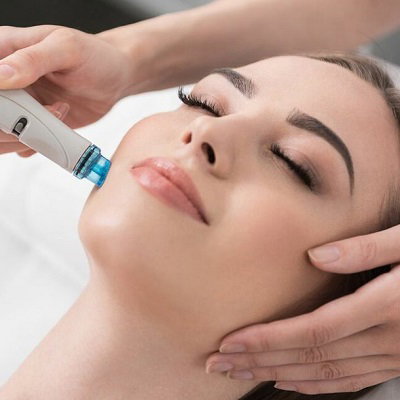
A HydraFacial Treatment is a multi-step facial procedure designed to deeply cleanse the skin while simultaneously infusing it with hydrating and nourishing serums. Unlike traditional facials that may involve manual extraction or harsh exfoliation, this treatment uses a specialized device to gently remove impurities and deliver active ingredients into the skin.HydraFacial technology works through a vortex-like suction system that clears out pores while replenishing the skin barrier. This makes it suitable for almost all skin types, including sensitive, oily, and acne-prone skin.Its popularity comes from the fact that it delivers visible results almost immediately. Many people notice smoother texture, reduced dullness, and a healthy glow right after just one session. There is also no downtime, making it a convenient option for busy lifestyles.
How Often Should You Get a HydraFacial Treatment?
The most commonly recommended frequency for a HydraFacial Treatment is once every 4 weeks. This timeframe aligns with the skin’s natural regeneration cycle, which typically takes around 28 days.Regular monthly sessions help maintain:
- Clear and unclogged pores
- Balanced hydration levels
- Improved skin texture
- Reduced appearance of fine lines
- More even skin tone
However, not everyone needs the same schedule. Some people may benefit from more frequent sessions at the beginning, while others may only need occasional maintenance treatments.For example:
- Oily or acne-prone skin: May benefit from treatments every 2–3 weeks initially
- Dry or sensitive skin: Often responds well to monthly or slightly extended intervals
- Normal or combination skin: Monthly sessions are usually ideal for maintenance
The key is consistency. Occasional treatments may provide a temporary glow, but regular sessions help build long-term skin improvement.
Factors That Influence Treatment Frequency
The ideal frequency of a HydraFacial Treatment depends on several personal factors. Understanding these can help create a more customized skincare routine.
Skin Type and Condition
Skin type plays a major role in determining how often someone should get treated. Oily and congested skin tends to accumulate buildup faster, which may require more frequent cleansing sessions. On the other hand, sensitive skin may need longer gaps between treatments to avoid over-stimulation.People dealing with acne, blackheads, or uneven texture often see better results with a slightly more frequent schedule at the beginning, followed by maintenance sessions once their skin improves.
Skincare Goals
Different skincare goals require different approaches. Someone looking for general maintenance and glow might stick to monthly sessions, while someone targeting pigmentation, fine lines, or acne scars might follow a more structured plan initially.Common goals include:
- Brightening dull skin
- Managing breakouts
- Smoothing fine lines
- Improving hydration levels
- Reducing enlarged pores
Each of these goals may influence how frequently the treatment is recommended.
Lifestyle and Environmental Exposure
Daily habits and environmental exposure also affect skin health. People exposed to pollution, dust, or heavy makeup may experience faster pore congestion. Similarly, stressful lifestyles, lack of sleep, or poor hydration can slow down skin renewal.In such cases, more regular HydraFacial sessions can help counteract external damage and restore balance.
Seasonal Changes
Skin behaves differently in different seasons. For example:
- In hot and humid weather, oil production increases, leading to clogged pores
- In cold, dry weather, skin may become dehydrated and flaky
Adjusting HydraFacial frequency based on seasonal needs can help maintain consistent skin health year-round.
What Happens If You Get HydraFacial Too Often?
While HydraFacial Treatment is gentle and non-invasive, overdoing it is still not recommended. The skin needs time to naturally regenerate and respond to each session.If done too frequently, potential issues may include:
- Temporary sensitivity or redness
- Over-exfoliation in very delicate skin types
- Reduced effectiveness of results over time
This is why professionals generally recommend spacing sessions at least a few weeks apart. The goal is to support the skin, not overwhelm it.
Benefits of Regular HydraFacial Treatments
Consistency plays a major role in achieving long-lasting skin improvement. When done at the right intervals, HydraFacial Treatment can provide cumulative benefits that go beyond just surface-level glow.
Deep and Consistent Skin Cleansing
Regular sessions help keep pores clean by removing oil, dirt, and environmental pollutants before they turn into breakouts or blackheads.
Long-Term Hydration Improvement
Hydration is one of the biggest benefits. With repeated treatments, the skin becomes better at retaining moisture, resulting in a plumper and healthier appearance.
Visible Reduction in Fine Lines and Wrinkles
Over time, hydration and exfoliation help reduce the appearance of early aging signs. While it is not a replacement for advanced anti-aging procedures, it does support smoother skin texture.
Improved Skin Tone and Radiance
One of the most noticeable long-term benefits is a brighter, more even complexion. Regular treatments help fade dullness and improve overall skin clarity.
Signs That Indicate It’s Time for a HydraFacial
Even if someone is not following a strict schedule, the skin often gives signals when it needs care. Some common signs include:
- Increased dullness or rough texture
- Visible clogged pores or blackheads
- Uneven skin tone
- Dry patches or dehydration
- Breakouts or congestion buildup
Paying attention to these signs helps in deciding when to book the next HydraFacial Treatment session rather than strictly following a calendar.
FAQs About HydraFacial Treatment
1. How long do the results of a HydraFacial Treatment last?
The results typically last about 1 to 4 weeks depending on skin type and lifestyle. With regular sessions, results tend to last longer and become more noticeable over time.
2. Is HydraFacial Treatment suitable for sensitive skin?
Yes, it is generally considered safe for sensitive skin because it uses gentle suction and non-irritating serums. However, frequency should be adjusted based on individual skin response.
3. Can HydraFacial Treatment help with acne?
Yes, it can help manage acne by deeply cleansing pores, removing excess oil, and reducing congestion. It is often recommended as part of a broader acne-care routine.
4. How soon can results be seen after a session?
Most people notice immediate improvements in skin brightness, smoothness, and hydration right after a single session.
5. Can HydraFacial Treatment be done before special events?
Yes, it is often chosen before events because it gives an instant glow with no downtime. It is best done 1–2 days before the occasion for optimal results.
6. Is there any downtime after a HydraFacial Treatment?
No, there is typically no downtime. People can resume daily activities immediately after the session.A HydraFacial Treatment is most effective when done consistently and tailored to individual skin needs. While monthly sessions work well for most people, adjustments based on skin condition, lifestyle, and goals can make the treatment even more beneficial in the long run. With proper scheduling, it becomes a powerful tool for maintaining healthy, glowing skin all year round.
Read More About HydraFacial Treatment: https://666972af349f3.site123.me/blog/who-should-consider-zepbound-injections-for-weight-loss
