How to Prepare for Nose Reshaping Surgery Safely
Nose reshaping surgery, often called rhinoplasty, is one of the most commonly performed facial procedures today. People choose this surgery for many reasons, including improving facial balance, correcting breathing problems, or repairing damage from injury. While the procedure itself is carefully planned and performed by qualified surgeons, preparation plays a major role in ensuring a safe surgery and smooth recovery.For anyone considering Nose Reshaping Surgery, understanding how to prepare physically, mentally, and practically can significantly reduce risks and improve overall results. Proper preparation also helps patients feel more confident and less anxious before the big day.
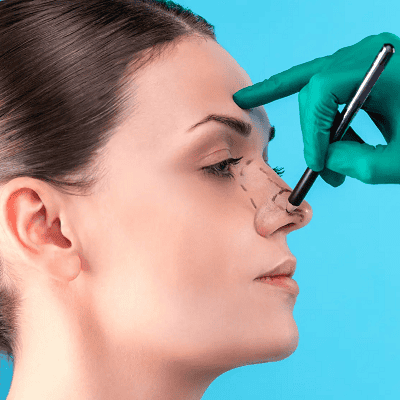
Understanding the Purpose of Nose Reshaping Surgery
Before preparing for surgery, it is important for patients to understand their goals. Nose reshaping surgery can be performed for cosmetic reasons, functional improvements, or a combination of both.Cosmetic goals may include smoothing a hump, refining the tip, narrowing the bridge, or improving symmetry. Functional goals often involve correcting breathing issues caused by a deviated septum or internal structural problems.When patients clearly understand their motivations and expected outcomes, they are better prepared to follow medical guidance and make safe choices before surgery.
Choosing a Qualified Surgeon and Consultation Preparation
Safety begins with selecting a properly trained and experienced surgeon. A thorough consultation allows the surgeon to assess facial structure, nasal anatomy, and overall health while discussing expectations.To prepare for the consultation, patients should:
- Write down their goals and concerns
- Bring medical history, including previous surgeries
- Share any breathing problems or nasal injuries
- List medications, supplements, and allergies
- Be honest about lifestyle habits such as smoking or alcohol use
During the consultation, the surgeon may examine nasal airflow, skin thickness, and cartilage strength. In some cases, imaging or digital simulations are used to help patients visualize realistic results. This step is essential for safe surgical planning.
Medical Preparation Before Surgery
Proper medical preparation reduces the chances of complications and supports faster healing.
Health Evaluations and Tests
Most patients will undergo basic medical evaluations before surgery. These may include:
- Blood tests to check overall health
- Blood pressure assessment
- Review of medications
- Screening for conditions that may affect healing
Patients with chronic illnesses such as diabetes, asthma, or high blood pressure should ensure these conditions are well controlled before surgery.
Medication Adjustments
Certain medications and supplements can increase bleeding risk or interfere with anesthesia. Patients are usually advised to stop:
- Blood-thinning medications
- Aspirin and anti-inflammatory drugs
- Herbal supplements such as ginseng, garlic, or ginkgo
- High-dose vitamin E
Any medication changes should always be approved by the prescribing physician to maintain safety.
Lifestyle Changes That Improve Surgical Safety
Small lifestyle adjustments in the weeks before surgery can make a significant difference in both safety and recovery.
Stop Smoking and Nicotine Use
Nicotine restricts blood flow and slows healing. Most surgeons recommend quitting smoking at least several weeks before and after surgery. This step alone can dramatically reduce complications such as delayed healing or infection.
Maintain a Healthy Diet
A balanced diet supports the immune system and prepares the body for healing. Patients are encouraged to focus on:
- Lean proteins for tissue repair
- Fruits and vegetables rich in vitamins
- Whole grains for steady energy
- Proper hydration
Avoiding crash diets or extreme weight loss before surgery is also important, as the body needs nutrients to recover.
Limit Alcohol Intake
Alcohol can increase bleeding risk and interfere with anesthesia. Patients are typically advised to avoid alcohol for at least one to two weeks before surgery.
Practical Preparations at Home
Preparing the home environment in advance makes recovery easier and safer.
Arrange Transportation and Support
Patients cannot drive themselves home after surgery due to anesthesia effects. It is essential to arrange:
- A responsible adult to accompany them home
- Someone to stay with them during the first 24 hours
- Help with meals or household tasks for a few days
Prepare a Recovery Space
Setting up a comfortable recovery area helps reduce stress after surgery. Useful items include:
- Extra pillows to keep the head elevated
- Easy-to-prepare meals
- Ice packs or cold compresses
- Saline sprays if recommended
- Entertainment such as books or shows
Having these ready ahead of time allows patients to focus fully on rest and healing.
Mental and Emotional Preparation
Surgery preparation is not only physical; emotional readiness matters as well.Patients should understand that swelling, bruising, and temporary congestion are normal parts of recovery. Results also take time to appear, sometimes several months.Managing expectations is crucial. A well-prepared patient understands that rhinoplasty improves appearance and function but does not create perfection. Staying patient and trusting the healing process leads to greater satisfaction.Relaxation techniques such as deep breathing, meditation, or gentle walks can help reduce anxiety before surgery. Good sleep in the days leading up to the procedure also supports immune function and mental calmness.
The Day Before and Morning of Surgery
Final preparations help ensure a smooth surgical experience.
The Day Before Surgery
Patients should:
- Follow fasting instructions provided by the surgical team
- Shower and cleanse the face gently
- Remove nail polish or makeup
- Pack comfortable clothing for after surgery
- Confirm transportation and arrival time
The Morning of Surgery
On the day of surgery, patients should:
- Avoid eating or drinking if instructed
- Wear loose, comfortable clothes that open in the front
- Leave jewelry and valuables at home
- Arrive early to avoid stress
Staying calm and following the surgeon’s instructions closely helps everything proceed smoothly.
Post-Surgery Planning for Safety
Preparing for aftercare before surgery ensures a safer recovery.Patients should understand:
- How to take prescribed medications
- How to clean the nose and manage dressings
- What symptoms are normal and what require medical attention
- When to attend follow-up visits
Having these instructions clearly understood ahead of time prevents confusion and reduces risk.
FAQs About Preparing for Nose Reshaping Surgery
1. How far in advance should someone start preparing for nose reshaping surgery?
Preparation usually begins several weeks before surgery, especially for quitting smoking, adjusting medications, and completing medical evaluations.
2. Is it necessary to stop taking vitamins before surgery?
Some vitamins and supplements can increase bleeding risk. Patients should discuss all supplements with their surgeon to determine which should be paused.
3. Can someone eat normally before surgery?
Most patients are instructed to fast for several hours before surgery. Exact timing depends on the anesthesia plan.
4. How can patients reduce anxiety before surgery?
Understanding the procedure, asking questions during consultation, practicing relaxation techniques, and ensuring good sleep can help reduce stress.
5. What should be prepared at home before returning from surgery?
Patients should prepare pillows for head elevation, soft foods, medications, cold compresses, and a comfortable resting space.
6. Does good preparation really affect the final results?
Yes. Proper preparation lowers complication risks, supports healing, and contributes to better long-term surgical outcomes.
Conclusion
Preparing safely for nose reshaping surgery is one of the most important steps in achieving a successful result. From choosing a qualified surgeon and completing medical evaluations to making lifestyle adjustments and organizing recovery support, each step contributes to smoother surgery and better healing.Patients who take the time to prepare physically, emotionally, and practically tend to feel more confident and experience fewer complications. With proper preparation, realistic expectations, and careful follow-up care, nose reshaping surgery can be a positive and rewarding journey toward improved appearance, breathing, and self-confidence.
