How to Reduce Swelling After Liposuction
Liposuction is a popular cosmetic procedure that helps remove stubborn pockets of fat from areas of the body that may not respond easily to diet and exercise. While the procedure can improve body contours and create a more defined appearance, swelling is a normal part of the healing process. Many people considering or recovering from Liposuction in Oman want to know how long swelling may last and what can be done to support a smoother recovery.Post-liposuction swelling happens because the body responds naturally to tissue manipulation during the procedure. Fluid can temporarily accumulate in the treated areas, while inflammation develops as the body begins repairing itself. Although swelling can sometimes make the treated area appear larger than expected at first, it usually improves gradually as healing progresses.Understanding how to manage swelling can help patients feel more comfortable and make the recovery period easier to navigate. The following guide explains practical ways to reduce swelling after liposuction, what to expect during recovery, and when professional medical advice may be necessary.
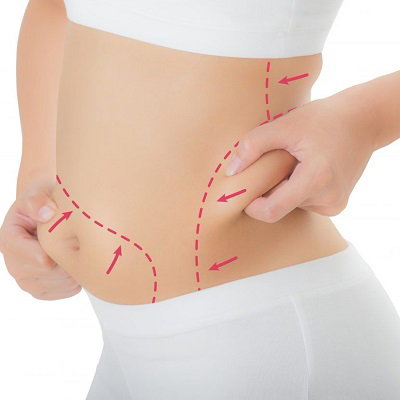
Why Does Swelling Occur After Liposuction?
Swelling after liposuction is generally considered a normal response to the procedure. During liposuction, a small cannula is used to remove unwanted fat from beneath the skin. Even though the technique is designed to minimize tissue trauma, the treated area still needs time to recover.The body responds to this process by increasing blood flow and sending fluids and immune cells to the affected tissues. This inflammatory response supports healing but can also lead to temporary swelling, tenderness, bruising, and a feeling of tightness.The amount of swelling varies from person to person. It may depend on factors such as:
- The size and number of areas treated
- The amount of fat removed
- The individual's natural healing response
- The surgical technique used
- Overall health and lifestyle habits
- How closely post-operative instructions are followed
Swelling is often more noticeable during the first several days after surgery. It may then gradually decrease over the following weeks. However, the final shape of the treated area may not become fully apparent for several months because deeper tissues can take longer to settle.People researching Liposuction in Oman should discuss the expected recovery timeline with a qualified medical professional before treatment. Having realistic expectations can make the healing process less stressful and help patients recognize what is normal.
Follow Post-Operative Instructions Carefully
One of the most effective ways to support recovery is to follow the post-operative instructions provided by the surgical team. These instructions are personalized according to the individual's procedure, treatment areas, and health status.Patients may be advised to wear a compression garment after liposuction. Compression garments apply gentle, consistent pressure to the treated areas, which may help control swelling and provide support while the tissues heal. They can also help the skin adapt to the new body contours.The duration of compression garment use varies. Some patients may need to wear one for several weeks, while others may receive different recommendations based on their recovery. It is important to follow professional guidance rather than wearing a garment more tightly or for longer than advised.Patients should also take prescribed medications as directed and attend follow-up appointments. These appointments allow the medical team to monitor healing and identify any concerns early.Self-treatment should be approached carefully. Although many online sources recommend various supplements, creams, or home remedies for swelling, not every option is appropriate after surgery. A healthcare professional should be consulted before adding any medication or supplement to the recovery routine.
Stay Active, But Avoid Overexertion
Gentle movement can be beneficial during recovery. Unless the surgical team advises otherwise, short and easy walks are often encouraged after liposuction. Light walking can support circulation and reduce the risks associated with prolonged inactivity.However, there is an important difference between gentle movement and strenuous exercise. Heavy lifting, intense workouts, running, and other demanding activities may place unnecessary stress on healing tissues.The return to normal exercise should happen gradually and according to professional advice. The appropriate timeline depends on the extent of the procedure and the individual's recovery.During the early stages, patients may benefit from:
- Taking short walks around the home
- Avoiding long periods of complete inactivity
- Changing positions regularly
- Resting when the body feels tired
- Gradually increasing activity as healing progresses
The goal is to encourage safe circulation without putting excessive strain on the treated areas. Pushing the body too hard in an effort to recover faster can sometimes have the opposite effect and prolong discomfort.
Maintain a Balanced Diet and Stay Hydrated
Nutrition plays an important role in the body's ability to recover after surgery. A balanced diet provides the protein, vitamins, minerals, and other nutrients needed for tissue repair.Protein-rich foods such as eggs, fish, poultry, beans, lentils, and dairy products can support the body's healing processes. Fruits and vegetables also provide important vitamins and antioxidants that contribute to overall recovery.Adequate hydration is equally important. Drinking enough water can help the body maintain normal fluid balance. However, patients should follow any specific fluid recommendations provided by their healthcare professional, especially if they have an underlying medical condition.It may also be helpful to limit foods that are very high in sodium. Excessive sodium intake can contribute to fluid retention in some people, potentially making swelling more noticeable. Instead, a diet based on fresh foods and balanced meals may be a better choice during recovery.Alcohol should generally be avoided during the early healing period, particularly if the patient is taking certain medications. Smoking can also interfere with healing and increase the risk of complications. Patients should follow their healthcare provider's recommendations regarding both smoking and alcohol use.
Use Cold Compresses Only When Recommended
Cold compresses are commonly associated with reducing swelling, but they must be used carefully after liposuction. The treated skin may have reduced sensation temporarily, which can make it harder to recognize excessive cold or potential skin injury.If a medical professional approves the use of a cold compress, it should never be placed directly against the skin. A clean cloth or protective layer should be used between the cold pack and the treated area. The compress should be applied for short periods rather than continuously.Not every liposuction patient will be advised to use cold therapy. Depending on the procedure and the areas treated, other recovery strategies may be more appropriate.Patients should therefore avoid experimenting with aggressive cold therapy or other treatments without professional guidance. The best recovery plan is one that takes into account the specific procedure and individual healing needs.
Consider Lymphatic Massage Only With Professional Guidance
Some patients may be interested in post-operative lymphatic drainage massage to help manage swelling. This type of gentle massage is designed to encourage the movement of lymphatic fluid through the body's natural drainage system.When appropriate, lymphatic massage may be incorporated into recovery under the guidance of a qualified professional familiar with post-surgical care. However, timing is important. Massage performed too early, too forcefully, or by someone without suitable training could potentially cause discomfort or interfere with healing.Patients should always receive clearance before beginning any massage technique after liposuction. The healthcare provider can determine whether it is appropriate and, if so, when it should begin.The same principle applies to other treatments sometimes promoted for reducing post-liposuction swelling. Procedures such as heat therapy, intense massage, or certain aesthetic treatments should not be started without professional approval.For individuals considering Liposuction in Oman, discussing post-operative swelling management during the initial consultation can be helpful. Understanding which recovery treatments are suitable before surgery can make post-operative planning easier.
How Long Does Swelling Last After Liposuction?
The recovery timeline differs between individuals, so there is no single answer that applies to everyone. In general, swelling is often most noticeable during the first few days or weeks after liposuction.As the body continues to heal, swelling usually decreases gradually. Some visible improvement may occur within the first few weeks, but residual swelling can remain for several months. The final contours may become clearer as inflammation subsides and the tissues settle.Patients should not judge the final outcome too early. Temporary swelling can make the treated area appear uneven or less defined than expected. Minor changes in shape may also occur as different areas heal at different rates.Several factors can influence the duration of swelling, including the extent of fat removal, the number of areas treated, individual healing characteristics, and adherence to recovery instructions.Patience is therefore an important part of the liposuction recovery process. The body needs sufficient time to heal, and gradual improvement is generally more meaningful than day-to-day changes.
When Should Swelling After Liposuction Be a Concern?
Although swelling is expected after liposuction, certain symptoms should not be ignored. Patients should contact their healthcare provider if swelling becomes significantly worse rather than gradually improving or if it is accompanied by unusual symptoms.Potential warning signs may include:
- Severe or rapidly increasing swelling
- Significant pain that suddenly worsens
- Increasing redness or warmth around the treated area
- Pus or unusual drainage from an incision
- Fever or chills
- Significant bleeding
- Difficulty breathing
- Chest pain
- Severe weakness or fainting
These symptoms do not necessarily mean that a serious complication has occurred, but they should be evaluated promptly. Early medical assessment can help identify and address potential problems.Anyone considering Liposuction in Oman should understand that the procedure, like any surgical treatment, carries potential risks. A qualified healthcare professional can explain these risks, expected recovery, and appropriate aftercare during a consultation.
Final Thoughts on Reducing Swelling After Liposuction
Swelling is a normal part of the healing process after liposuction, and it generally improves gradually with time. While there is no instant method to eliminate post-operative swelling, several strategies can support recovery.Following medical instructions, wearing compression garments as recommended, staying gently active, maintaining good hydration, eating a nutritious diet, and avoiding strenuous activity too soon can all contribute to a smoother recovery. Professional guidance is especially important when considering treatments such as lymphatic massage or cold therapy.Patients exploring Liposuction in Oman should focus not only on the procedure itself but also on the recovery plan. A thorough consultation can help set realistic expectations about swelling, discomfort, activity restrictions, and the timeline for seeing the final results.Most importantly, recovery should be approached with patience. The body requires time to heal, and swelling can fluctuate during the process. By following professional advice and paying attention to changes in symptoms, patients can support their recovery while allowing their results to develop naturally.
FAQs
1. How long does swelling last after liposuction?
Swelling is usually most noticeable during the first few days and weeks after liposuction. It typically decreases gradually, but some residual swelling may remain for several months. The exact recovery timeline varies depending on the treatment area, amount of fat removed, surgical technique, and individual healing response.
2. Does wearing a compression garment reduce swelling after liposuction?
Compression garments are commonly recommended after liposuction and may help control swelling while supporting the healing tissues. Patients should wear them according to the instructions provided by their healthcare professional and should avoid making them excessively tight.
3. Can walking help reduce swelling after liposuction?
Gentle walking may support circulation and is often encouraged during recovery when medically appropriate. However, strenuous exercise and heavy lifting should generally be avoided until the healthcare provider confirms that the body is ready for increased activity.
4. Can a patient get a massage after liposuction?
Some patients may benefit from professionally performed lymphatic drainage massage, but it is not suitable for everyone or at every stage of recovery. Patients should obtain medical clearance and ensure that any massage is performed by someone appropriately trained in post-surgical care.
5. What foods should be avoided after liposuction?
It may be helpful to limit foods that are excessively high in sodium because they can contribute to fluid retention. A balanced diet containing adequate protein, fruits, vegetables, and whole foods can better support recovery. Alcohol may also need to be avoided, particularly while taking certain medications.
6. When should a patient contact a doctor about swelling?
A healthcare professional should be contacted if swelling suddenly becomes much worse, is accompanied by severe pain, increasing redness, fever, unusual drainage, significant bleeding, breathing difficulties, or chest pain. Prompt evaluation is important when symptoms appear unusual or concerning.
Read More About Liposuction: https://www.linkedin.com/pulse/liposuction-consultation-questions-ask-your-surgeon-esha-esha-nasir-jrs4f
