Is Surgery the Best Lipoma Treatment? Find Out Here
Lipomas are one of the most common types of benign (non-cancerous) fatty lumps that develop just under the skin. Although they are usually harmless and painless, many people seek treatment due to cosmetic concerns, discomfort, or uncertainty about the lump’s nature. When it comes to managing lipomas, surgery is often considered the most definitive solution—but is it always the best option?This article explores various Lipoma Treatment options, focusing on whether surgery is truly the best approach and when alternative treatments may be appropriate.
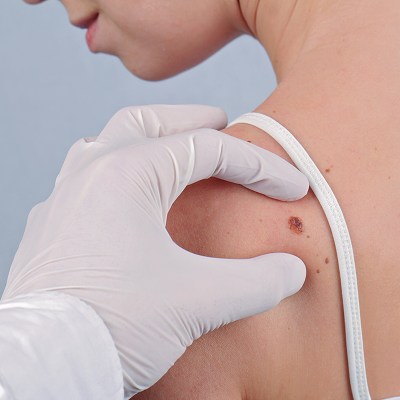
What Is a Lipoma?
A lipoma is a soft, slow-growing lump made up of fat cells. It typically feels doughy to the touch and can move slightly under the skin when pressed. Lipomas can appear anywhere on the body but are most commonly found on the shoulders, neck, arms, and torso.Although the exact cause is not fully understood, lipomas may be linked to genetics, minor injuries, or certain medical conditions. Most lipomas grow slowly and remain small, but some can increase in size over time.
When Does a Lipoma Require Treatment?
In many cases, lipomas do not require treatment at all. However, treatment may be considered in the following situations:
- The lipoma is painful or tender
- It grows rapidly or changes in appearance
- It restricts movement or presses on nearby nerves
- It becomes cosmetically bothersome
- The diagnosis is uncertain and further examination is needed
When these concerns arise, medical evaluation is essential to rule out other conditions and determine the best lipoma treatment approach.
Surgical Removal: The Most Effective Lipoma Treatment
Surgical excision is widely regarded as the most effective and permanent method for treating lipomas. During this procedure, the entire lump, including its capsule, is carefully removed.
Benefits of Surgical Removal
- Permanent Solution: Removing the entire lipoma significantly reduces the chance of recurrence
- Accurate Diagnosis: The removed tissue can be analyzed to confirm it is benign
- Quick Procedure: Most surgeries are completed in a short outpatient visit
- Minimal Recurrence: When fully excised, lipomas rarely grow back in the same location
What to Expect During Surgery
The procedure is usually performed under local anesthesia. A small incision is made over the lipoma, and the fatty tissue is gently removed. The incision is then closed with stitches.Recovery is typically straightforward, with mild discomfort and swelling for a few days. Patients are usually able to return to normal activities relatively quickly.
Are There Non-Surgical Lipoma Treatment Options?
While surgery is the most definitive treatment, some non-surgical options exist, though they may not be as effective in completely removing the lipoma.
Steroid Injections
Steroid injections can sometimes shrink a lipoma by reducing inflammation and fat cell size. However, this treatment does not remove the lipoma entirely and may not prevent it from growing again.
Liposuction
Liposuction involves using a thin tube to suction out the fatty tissue. While it can reduce the size of a lipoma, it may not remove the entire capsule, which means there is a higher chance of recurrence compared to surgical excision.
Observation
In many cases, especially when the lipoma is small and asymptomatic, doctors may recommend simply monitoring it over time. This is known as a “watch-and-wait” approach.
Is Surgery Always the Best Lipoma Treatment?
Surgery is often considered the gold standard for lipoma treatment, but whether it is the best option depends on several factors:
- Size and location of the lipoma
- Symptoms such as pain or discomfort
- Patient’s cosmetic concerns
- Medical history and overall health
- Risk tolerance for minor surgical procedures
For small, painless lipomas, surgery may not be necessary. In contrast, larger or symptomatic lipomas are often best treated with surgical removal to ensure complete elimination.
Risks and Considerations of Surgical Treatment
Although surgery is generally safe, it does carry some risks, including:
- Minor scarring at the incision site
- Infection (rare)
- Bleeding or bruising
- Temporary numbness near the treated area
- Recurrence if the lipoma is not completely removed
These risks are typically minimal when the procedure is performed by a qualified professional and proper aftercare is followed.
Recovery and Aftercare
Recovery after surgical lipoma removal is usually quick. Patients are advised to:
- Keep the wound clean and dry
- Follow dressing and wound care instructions
- Avoid strenuous activity for a few days
- Attend follow-up appointments if needed
Stitches are often removed within a week or two, depending on the location and size of the incision. Mild swelling or bruising may persist temporarily but usually resolves on its own.
Preventing Lipomas: Is It Possible?
There is no guaranteed way to prevent lipomas, especially since their exact cause is not fully known. However, maintaining a healthy lifestyle, including a balanced diet and regular exercise, may support overall skin and tissue health.For individuals with a family history of lipomas, regular monitoring of any new lumps is a good practice to ensure early detection and evaluation.
When Should You See a Professional?
Anyone who notices a new lump under the skin should consider getting it checked, especially if:
- The lump is growing quickly
- It feels painful or hard
- It has an unusual shape or texture
- It appears in a sensitive or concerning area
A proper diagnosis is essential to confirm whether it is a lipoma or another type of growth.
Final Thoughts
When it comes to lipoma treatment, surgical removal remains the most effective and reliable option, particularly for larger, painful, or cosmetically concerning lipomas. However, not all lipomas require surgery. In many cases, observation or less invasive treatments may be appropriate.The decision ultimately depends on individual circumstances, and a careful evaluation is key to choosing the right approach. Understanding the available options helps individuals make informed decisions about their health and treatment.
FAQs About Lipoma Treatment
1. Are lipomas dangerous?
Lipomas are typically harmless and non-cancerous. They rarely pose any health risk, but any new or changing lump should be evaluated to rule out other conditions.
2. Can a lipoma go away without treatment?
Lipomas do not usually go away on their own. While they may remain stable for years, they typically persist unless treated.
3. Does lipoma surgery leave a scar?
Yes, surgery can leave a small scar. However, the scar is usually minimal and fades over time with proper care.
4. Can a lipoma come back after removal?
If the entire lipoma, including its capsule, is removed, recurrence is unlikely. However, new lipomas can develop in other areas.
5. Is lipoma treatment painful?
Most treatments, especially surgical removal, are performed under local anesthesia, making the procedure relatively painless. Some mild discomfort may occur during recovery.
6. How do I know if my lump is a lipoma?
A healthcare professional can diagnose a lipoma through a physical examination and, if needed, imaging tests or biopsy to confirm its nature.
Read More About Vector Facelift: https://666972af349f3.site123.me/blog/can-a-vector-facelift-make-you-look-younger
