IV Drip vs. Oral Supplements: What's the Difference?
When it comes to improving nutrient intake, supporting hydration, or addressing certain nutritional deficiencies, people often consider two popular options: IV Drip therapy and oral supplements. Both approaches can provide the body with essential vitamins, minerals, and other nutrients, but they work in very different ways. Understanding these differences can help individuals make more informed decisions about which option may be appropriate for their needs.Oral supplements are widely available in the form of tablets, capsules, powders, gummies, and liquids. They are convenient and familiar to most people, making them a common choice for everyday nutritional support. On the other hand, an IV Drip delivers fluids and selected nutrients directly into the bloodstream through an intravenous line. Because the nutrients bypass the digestive system, the body does not need to break them down through the usual digestive process before they enter circulation.Neither option is automatically better for everyone. The right choice depends on factors such as an individual's health status, nutritional needs, ability to absorb nutrients, and the reason supplementation is being considered. A qualified healthcare professional can help determine which approach is suitable based on a person's circumstances.
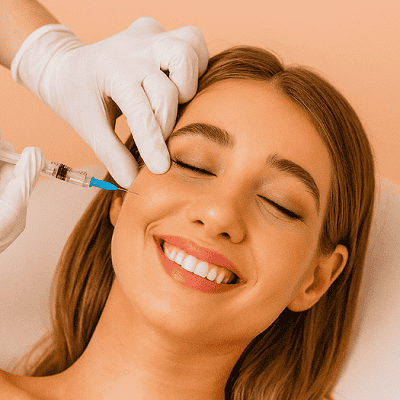
What Is an IV Drip?
An IV Drip, short for intravenous drip, is a method of delivering fluids, vitamins, minerals, electrolytes, or medications directly into a vein. The solution is administered through a small catheter placed into a vein, allowing the selected ingredients to enter the bloodstream directly.IV therapy is commonly associated with hydration and nutritional support. Depending on the purpose of treatment, an IV solution may contain ingredients such as fluids, electrolytes, or specific vitamins and minerals. The exact formulation varies according to the individual's needs and the clinical setting.One of the main differences between IV therapy and oral supplementation is the delivery method. Oral supplements must pass through the digestive tract, where the body processes and absorbs their contents. An IV Drip, in contrast, introduces the contents directly into circulation.This direct delivery can be useful in certain medical situations. For example, people who are unable to take nutrients by mouth or who have certain problems affecting digestion or absorption may require intravenous nutrition or fluids under professional medical supervision. However, this does not mean that every person seeking general wellness benefits necessarily needs IV therapy.
How Do Oral Supplements Work?
Oral supplements are designed to provide nutrients through the digestive system. After a person swallows a tablet, capsule, powder, or liquid supplement, the digestive tract breaks down the product and absorbs its nutrients. These nutrients then enter the bloodstream and are transported throughout the body.The effectiveness of an oral supplement can depend on several factors. These may include the type of nutrient, the formulation of the product, the individual's digestive health, and whether the supplement is taken with food or other nutrients. Some vitamins are absorbed more effectively when consumed with dietary fat, while other nutrients may have specific absorption considerations.For many people, oral supplements are a practical way to address a confirmed nutritional deficiency or supplement dietary intake when recommended by a healthcare professional. They are also generally easy to use at home and do not require an appointment or intravenous access.However, oral supplements are not absorbed completely in every situation. Some nutrients may have limited absorption, and certain medical conditions can interfere with the body's ability to process or absorb them. This is one reason why supplementation should ideally be based on an individual's actual nutritional requirements rather than assumptions.
IV Drip vs. Oral Supplements: Key Differences
The biggest distinction between an IV Drip and oral supplements is how nutrients enter the body. IV therapy delivers ingredients directly into the bloodstream, while oral supplements rely on digestion and intestinal absorption.Here are some of the main differences to consider:
1. Absorption and delivery
An IV Drip bypasses the digestive tract, allowing the administered ingredients to enter the circulation directly. Oral supplements must first move through the digestive system, and the amount absorbed can vary depending on the nutrient and the individual's health.
2. Speed of administration
Because IV therapy delivers substances directly into the bloodstream, certain effects, particularly those related to hydration, may occur more quickly than with oral intake. However, the speed at which someone notices a benefit depends heavily on the reason for treatment and the substance being administered.
3. Convenience
Oral supplements are usually more convenient for routine use. They can be taken at home and easily incorporated into a daily schedule. IV therapy requires professional administration and typically takes more time.
4. Medical supervision
An IV Drip involves intravenous access, so it should be administered by appropriately trained healthcare professionals. Oral supplements are generally easier to take independently, although professional guidance may still be important, particularly when high doses or multiple supplements are involved.
5. Suitability
Oral supplements may be appropriate for many people who can safely absorb nutrients through their digestive system. IV therapy may be considered in specific circumstances where rapid hydration or intravenous delivery is medically appropriate.
6. Risks and side effects
Both options can have potential risks. Oral supplements may cause digestive symptoms or interact with medications, especially when taken in excessive amounts. IV therapy can involve risks associated with intravenous access, including discomfort, bruising, infection, or reactions to the substances administered.
When Might an IV Drip Be Considered?
An IV Drip may be considered when there is a specific reason for intravenous treatment. In medical settings, intravenous fluids are commonly used when a person needs hydration or cannot adequately take fluids by mouth. Certain nutrients or medications may also be administered intravenously when clinically indicated.For example, a healthcare professional may consider IV treatment for someone experiencing significant dehydration or for a person who cannot absorb or tolerate certain substances through the digestive system. In these situations, the direct delivery method can provide an important clinical advantage.Some wellness services also offer IV nutrient infusions for purposes such as general hydration or nutritional support. However, claims about broad benefits should be considered carefully. The evidence supporting IV vitamin therapy for otherwise healthy people can vary depending on the specific nutrient, treatment goal, and underlying health status.An IV Drip should not automatically be viewed as a superior version of an oral supplement. Direct delivery into the bloodstream is not inherently better if the body can already absorb the required nutrients effectively through food and oral supplementation.Before receiving IV therapy, individuals should discuss their health history, current medications, allergies, and nutritional needs with a qualified healthcare professional. This can help reduce unnecessary risks and ensure that treatment is appropriate.
When Are Oral Supplements the Better Choice?
For many people, oral supplementation is a simple and effective option. If a person has a mild or confirmed nutrient deficiency and can absorb nutrients normally, an oral supplement may provide the required support without the need for intravenous treatment.Oral supplements can also be useful when dietary intake alone does not provide enough of a specific nutrient. For instance, a healthcare professional may recommend supplementation based on dietary habits, laboratory results, life stage, or a medical condition.Another advantage is flexibility. Oral supplements can often be taken regularly over an extended period when appropriate. They are also generally less invasive than IV therapy.However, more is not necessarily better. Certain vitamins and minerals can cause health problems when consumed in excessive quantities. Fat-soluble vitamins, for example, can accumulate in the body, while some minerals may interfere with medications or cause unwanted effects at high doses.For this reason, people should avoid taking multiple high-dose supplements without professional advice. A balanced diet remains an important foundation for good nutrition, and supplements are generally intended to complement—not replace—a healthy eating pattern.
Which Option Is Right for Individual Needs?
The choice between an IV Drip and oral supplements should be based on the individual's health needs rather than trends or convenience alone.A person who is generally healthy, eats a balanced diet, and has no significant absorption problems may have little reason to choose IV therapy over oral supplementation. In contrast, someone with severe dehydration, impaired nutrient absorption, or a medical condition requiring intravenous treatment may benefit from IV administration when recommended by a healthcare professional.The specific nutrient also matters. Some deficiencies can be effectively corrected with oral supplements, while others may require a different approach depending on severity and the person's ability to absorb the nutrient.It is also important to identify the underlying cause of a deficiency. Simply taking supplements may not address the reason a nutrient level is low. Factors such as diet, digestive conditions, medication use, and certain chronic health issues may contribute to nutritional deficiencies.Before starting either an IV Drip or a new supplement regimen, individuals should consider discussing their needs with a healthcare professional. Blood tests may sometimes be recommended to identify deficiencies and guide appropriate treatment.Ultimately, the goal should be effective and safe nutritional support—not simply choosing the method that sounds faster or more advanced.
Final Thoughts on IV Drip vs. Oral Supplements
Both IV Drip therapy and oral supplements have a place in healthcare, but they serve different purposes and are not interchangeable in every situation. IV therapy delivers fluids and nutrients directly into the bloodstream and may be useful when rapid hydration or intravenous administration is medically appropriate. Oral supplements, meanwhile, offer a convenient and less invasive way to provide nutrients that can be absorbed through the digestive system.The best option depends on the individual's health, nutritional status, absorption capacity, and treatment goals. While an IV Drip may offer direct delivery, it also requires professional administration and carries risks associated with intravenous treatment. Oral supplements are generally easier to use but may not be suitable for everyone, particularly those with certain absorption problems.Anyone considering supplementation should focus on evidence-based care and individualized advice. A healthcare professional can help determine whether a nutrient is actually needed, identify the most appropriate delivery method, and recommend a suitable dose.When used appropriately, both oral supplementation and IV therapy can be valuable tools. The key is choosing the approach that matches the person's actual health needs rather than assuming that one method is universally better than the other.
FAQs
1. Is an IV Drip better than oral supplements?
Not necessarily. An IV Drip delivers nutrients directly into the bloodstream, while oral supplements are absorbed through the digestive system. IV therapy may be useful in specific medical situations, but for many people who can absorb nutrients normally, oral supplementation may be sufficient and more convenient.
2. How quickly does an IV Drip work compared with oral supplements?
An IV Drip can deliver fluids and nutrients into circulation immediately, which may be helpful when rapid hydration is needed. However, how quickly a person feels a noticeable effect depends on the substance administered and the individual's health. Oral supplements may take longer to produce measurable changes because they must first be digested and absorbed.
3. Are IV Drips safe for everyone?
No medical treatment is suitable for everyone. IV therapy can carry risks such as pain, bruising, infection, vein irritation, or reactions to administered ingredients. Individuals should discuss their medical history, medications, allergies, and treatment goals with a qualified healthcare professional before receiving an IV Drip.
4. Can oral supplements replace an IV Drip?
In some situations, yes, but not always. If a person can absorb nutrients normally and only needs routine supplementation, an oral product may be appropriate. However, people with significant dehydration, certain absorption problems, or other medical needs may require intravenous treatment under professional supervision.
5. Should someone take supplements without testing?
It depends on the supplement and the individual's circumstances. Some people may benefit from supplementation based on diet or a known health need, while others may not require additional nutrients. Testing and professional guidance can be particularly useful when a deficiency is suspected or when high-dose supplements are being considered.
6. How can someone decide between an IV Drip and oral supplements?
The decision should be based on the reason for supplementation, the person's health status, nutritional needs, and ability to absorb nutrients. A healthcare professional can evaluate these factors and recommend the most appropriate option. For many healthy individuals, a balanced diet and suitable oral supplements may be enough, while IV therapy may be reserved for situations where intravenous treatment offers a clear benefit.
Read More About IV Drip: https://www.linkedin.com/pulse/how-tell-botox-injections-right-your-goals-esha-esha-nasir-whp8f
