Laser Liposuction for Small Areas: Is It the Right Choice?
When stubborn pockets of fat do not respond to healthy eating and regular exercise, many people begin exploring cosmetic body-contouring options. One treatment that has attracted attention is laser liposuction, a minimally invasive technique designed to remove localized fat while also supporting skin tightening. Unlike traditional liposuction, which relies primarily on mechanical fat removal, laser-assisted techniques use laser energy to help break down fat cells before they are removed.For individuals considering Laser Liposuction in Muscat, understanding how the procedure works, which areas it can treat, and what results can realistically be expected is an important part of making an informed decision. The treatment may be particularly appealing for people who are close to their ideal body weight but have small, persistent areas of fat that remain resistant to lifestyle changes.However, laser liposuction is not suitable for everyone, and it is not intended to replace weight loss. A proper consultation with a qualified medical professional is essential to determine whether the treatment is appropriate for a person's body shape, skin condition, health history, and cosmetic goals.
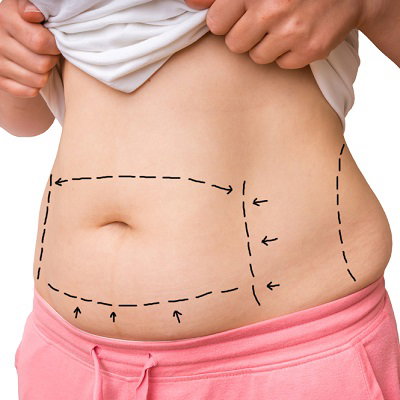
What Is Laser Liposuction?
Laser liposuction is a body-contouring procedure that combines liposuction with laser energy. During the treatment, a thin laser fiber is typically introduced through a very small incision. The laser energy targets fat cells, helping to liquefy or disrupt them so they can be removed more easily.One of the features that distinguishes laser-assisted liposuction from conventional liposuction is its potential effect on the skin. The controlled heat generated by the laser may stimulate collagen production and encourage some degree of skin contraction. This can be useful when treating small areas where mild skin laxity is present alongside localized fat.The procedure is generally considered minimally invasive compared with traditional surgical liposuction, although it is still a medical procedure and should be performed by an appropriately qualified professional in a suitable clinical setting.It is also important to understand that laser liposuction is a contouring treatment rather than a general weight-loss method. It is designed to improve the shape and proportions of specific body areas rather than significantly reduce overall body weight.
Which Small Areas Can Laser Liposuction Treat?
Laser-assisted liposuction can be considered for several areas where small deposits of fat tend to persist. The exact suitability depends on the individual's anatomy, skin elasticity, and treatment goals.Commonly treated areas may include:
- Double chin and under-chin area
- Jawline
- Upper arms
- Abdomen
- Flanks or love handles
- Waist
- Inner or outer thighs
- Knees
- Small areas around the back
The chin and jawline are particularly common areas for laser-assisted treatment because even a relatively small amount of excess fat can affect facial definition. In some cases, reducing localized fat under the chin while encouraging mild skin tightening can create a more defined appearance.For body areas, the treatment may be considered when a person has isolated fat deposits that do not respond well to exercise or dietary changes. The best candidates typically have relatively stable body weight and realistic expectations about what the procedure can achieve.The amount of fat that can safely be removed from a small area is limited. Therefore, the treatment is generally better suited to localized contouring than extensive fat reduction.
Is Laser Liposuction the Right Choice for Small Areas?
For the right candidate, laser liposuction may offer several advantages when treating small areas. Because the treatment uses a small access point and is designed for targeted fat removal, it can be useful when only a limited amount of contouring is required.One potential benefit is precision. Small pockets of fat can sometimes be addressed without treating a larger region unnecessarily. This may be particularly valuable for areas such as the chin, jawline, or small sections of the abdomen.Another possible advantage is the skin-tightening effect associated with laser energy. When fat is removed from an area with mild skin looseness, some degree of skin contraction may help improve the overall contour. However, the extent of tightening varies from person to person and should not be considered equivalent to a surgical skin-tightening procedure.Laser liposuction may also involve less tissue disruption than some traditional liposuction techniques, potentially resulting in a recovery period that is manageable for many patients. Nevertheless, swelling, bruising, tenderness, and temporary numbness can still occur.Whether it is the right choice depends on several factors, including:
- The amount and location of excess fat
- Skin elasticity
- Overall health
- Body weight and weight stability
- Medical history
- Expectations about the outcome
- The experience and qualifications of the treating professional
A consultation is therefore an essential step before choosing laser liposuction.
What Happens During and After the Procedure?
Before treatment, the individual typically undergoes an assessment to determine whether laser liposuction is appropriate. The treatment area is evaluated, medical history is reviewed, and the expected outcome is discussed. Depending on the area being treated and the specific technique used, local anesthesia or another form of anesthesia may be considered.During the procedure, a small incision is made in or near the treatment area. A thin laser fiber is inserted beneath the skin, where laser energy is directed toward the targeted fat. The fat is then disrupted or liquefied, and the treated material may be removed using a small cannula.The procedure length varies depending on the size and number of areas being treated. Small areas generally require less treatment time than larger body regions.After the procedure, some swelling and bruising are common. Mild discomfort or tenderness may also occur. A compression garment may be recommended to support the treated area and help manage swelling during recovery.Recovery varies from person to person. Some individuals may return to light daily activities relatively quickly, while others may need more downtime. Strenuous exercise and certain physical activities may need to be avoided temporarily.The final result is not always immediately visible. Initial swelling can make the treated area appear larger or uneven. As the swelling gradually decreases, the contour becomes clearer. Skin tightening and tissue remodeling may continue over the following weeks or months.Following post-treatment instructions carefully can support a smoother recovery and help reduce the risk of complications.
Benefits and Limitations of Laser Liposuction
Laser liposuction can be an effective option for selected individuals, but it is important to consider both its potential benefits and its limitations.Potential benefits may include targeted fat reduction, small access points, and the possibility of some skin tightening. For people dealing with localized fat in areas such as the chin, jawline, or small body regions, these features may make laser-assisted treatment an attractive option.However, the procedure is not a universal solution.Laser liposuction does not prevent future weight gain. If a person gains significant weight after treatment, the overall body contour may change. Maintaining a stable weight through balanced nutrition and regular physical activity can help preserve the results.The treatment may also be less suitable for individuals with significant excess skin. When loose skin is substantial, removing fat alone may not produce the desired appearance. In such situations, a different approach may be more appropriate.Results can also vary. Factors such as age, genetics, skin elasticity, lifestyle, and the amount of fat removed can influence the outcome.As with any medical procedure, there are potential risks. These may include infection, bleeding, bruising, swelling, changes in skin sensation, contour irregularities, scarring, and burns or thermal injury related to laser energy. Choosing a qualified and experienced medical professional and following aftercare instructions carefully can help reduce risks.
How to Prepare for Laser Liposuction in Muscat
Individuals researching Laser Liposuction in Muscat should begin by focusing on medical suitability rather than choosing a procedure based solely on convenience or appearance goals.A thorough consultation should include a review of the person's health history, medications, previous procedures, allergies, and any conditions that could affect healing. The treating professional should also examine the target area and discuss whether the amount of localized fat and degree of skin laxity are appropriate for laser-assisted liposuction.Before treatment, patients may be advised to follow specific instructions regarding medications, smoking, alcohol, and general preparation. These instructions vary according to individual circumstances and the specific procedure being performed.It is also helpful for patients to have realistic expectations. The goal of laser liposuction is generally to improve body contours rather than create dramatic changes in overall body weight.When evaluating treatment options, individuals may wish to ask:
- Is the procedure appropriate for the specific area?
- What type of laser-assisted technique is being used?
- What results are realistic?
- What are the possible risks and side effects?
- How long is the expected recovery period?
- What aftercare will be required?
- What happens if the desired result is not achieved?
These questions can help a person make a more informed decision and understand what the treatment involves before proceeding.
Who May Be a Good Candidate?
A suitable candidate for laser liposuction is often someone who is generally healthy, maintains a relatively stable weight, and has localized fat deposits that have not responded sufficiently to diet and exercise.Good candidates typically understand that the treatment is intended for body contouring rather than major weight loss. They should also have realistic expectations about the degree of improvement that can be achieved.People with good skin elasticity may experience more favorable contouring results because the skin is better able to adapt to the reduced volume beneath it. However, laser energy may provide some degree of tightening in selected cases, which is one reason the technique is considered for areas where mild laxity is present.Individuals with certain medical conditions, poor healing capacity, significant skin laxity, or unrealistic expectations may not be ideal candidates. Pregnancy and some health conditions may also affect eligibility.Ultimately, candidacy cannot be determined through general information alone. A personalized medical assessment is necessary before treatment.
Frequently Asked Questions
1. Is laser liposuction suitable for small areas?
Yes. Laser liposuction can be particularly useful for localized pockets of fat in smaller areas such as the chin, jawline, arms, or limited areas of the abdomen. The suitability of the procedure depends on the individual's anatomy, skin quality, health, and treatment goals.
2. Does laser liposuction help tighten loose skin?
Laser energy may encourage collagen production and some degree of skin contraction, potentially improving mild skin laxity. However, the effect varies between individuals. Significant loose skin may require a different treatment approach, and laser liposuction should not be considered a substitute for surgical skin removal when substantial excess skin is present.
3. Is laser liposuction a weight-loss treatment?
No. Laser liposuction is primarily a body-contouring procedure. It is intended to reduce localized fat deposits and improve body proportions rather than treat obesity or produce significant overall weight loss. A healthy lifestyle remains important before and after treatment.
4. How long does it take to see results?
Some changes may be noticeable soon after treatment, but swelling and bruising can temporarily affect the appearance of the treated area. As healing progresses and swelling decreases, the contour generally becomes more apparent. Final results may continue to develop over several weeks or months.
5. What are the risks of laser liposuction?
Potential risks can include swelling, bruising, tenderness, temporary numbness, infection, bleeding, scarring, contour irregularities, and thermal injury. The risk profile varies depending on the treatment area, technique, and individual health factors. A qualified medical professional should explain the potential risks before treatment.
6. Can the fat come back after laser liposuction?
The fat cells removed during liposuction are permanently removed. However, remaining fat cells can enlarge if a person gains weight, which may alter the body's overall contours. Maintaining a stable weight and healthy lifestyle can help support long-term results.Laser liposuction may be a useful option for people who want to address small, stubborn areas of localized fat while potentially benefiting from some degree of skin tightening.
For individuals considering Laser Liposuction in Muscat, the most important step is to determine whether the procedure matches their specific needs and expectations.The treatment can offer targeted contouring, but it is not a shortcut to weight loss and cannot guarantee identical results for every person. A careful medical assessment, realistic expectations, an understanding of possible risks, and appropriate aftercare all play an important role in achieving a satisfactory outcome.For anyone considering laser-assisted body contouring, an informed decision should always begin with professional medical advice. Understanding the procedure, recovery process, potential benefits, and limitations can help individuals choose an approach that is safe, suitable, and aligned with their personal goals.
Read More About Laser Liposuction: https://www.linkedin.com/pulse/laser-liposuction-love-handles-worth-esha-esha-nasir-lrmsf
