Laser Liposuction: What Is It and How Does It Work?
Laser liposuction is a minimally invasive cosmetic procedure designed to remove localized pockets of stubborn fat while using laser energy to assist with fat disruption and skin tightening. It has become a popular option for people who maintain a healthy lifestyle but struggle with areas of fat that do not respond easily to diet and exercise.Unlike traditional liposuction, which generally relies on mechanical fat removal, laser liposuction combines laser technology with suction-assisted fat removal. The laser energy is delivered beneath the skin through a small cannula, where it helps liquefy or disrupt fat cells before they are removed. The heat generated by the laser may also stimulate collagen production, which can contribute to firmer-looking skin in the treated area. Although Laser Liposuction can improve body contours, it is important to understand that it is not a weight-loss treatment. The procedure is generally intended for people who are near their healthy weight and have specific areas of unwanted fat. A qualified medical professional can determine whether the treatment is appropriate based on a person's health, body composition, skin quality, and cosmetic goals.
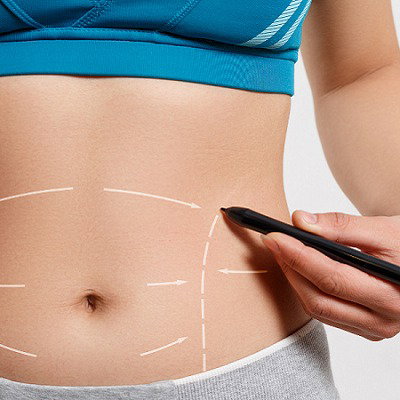
What Is Laser Liposuction?
Laser liposuction, sometimes referred to as laser-assisted liposuction, is a body-contouring procedure that uses laser energy to target unwanted fat beneath the skin. It is typically performed on areas where localized fat deposits are present, such as the abdomen, waist, thighs, arms, back, chin, or other suitable areas.During the procedure, a small incision is made in the treatment area. A thin laser fiber or cannula is then inserted beneath the skin. The laser energy heats and disrupts fat cells, making them easier to remove through gentle suction.One of the key differences between laser liposuction and conventional liposuction is the use of thermal energy. The heat produced by the laser may help coagulate small blood vessels, potentially reducing bleeding and bruising in some cases. It may also encourage collagen remodeling, which can help improve the appearance of mild skin laxity.However, results can vary from person to person. The amount of fat removed, the elasticity of the skin, the treatment area, and individual healing responses can all influence the final outcome.
How Does Laser Liposuction Work?
The laser liposuction process usually begins with a consultation and physical assessment. During this stage, the treatment provider evaluates the areas of concern and discusses the individual's expectations. Medical history, medications, allergies, previous procedures, and overall health may also be reviewed.Once the treatment plan is established, the procedure generally follows several steps.First, the treatment area is cleaned and prepared. Local anesthesia is often used to numb the area, although the type of anesthesia may depend on the extent of treatment and the individual's circumstances.Next, a small incision is made, allowing a thin laser fiber to be inserted beneath the skin. The laser energy is then carefully applied to the targeted fat deposits. The energy heats the fat cells and helps break them down or liquefy them.After the fat has been disrupted, a small suction cannula may be used to remove the treated fat from the body. The amount removed depends on the treatment plan and the area being treated.The laser energy may also interact with the connective tissue beneath the skin. By stimulating collagen activity and causing some tissue contraction, the procedure may provide a degree of skin tightening. This feature can make laser-assisted liposuction appealing to individuals who are concerned about loose or less firm skin after fat removal.The entire process may take anywhere from under an hour to several hours, depending on the number and size of the areas being treated. The individual can typically return home after the procedure, although the recovery plan depends on the extent of treatment.
Which Areas Can Be Treated With Laser Liposuction?
Laser liposuction is commonly used to improve body contours in areas affected by localized fat. Common treatment areas include the abdomen, flanks or love handles, thighs, upper arms, back, hips, and beneath the chin.The procedure may be particularly useful when a person has relatively small or moderate pockets of fat that remain despite maintaining a balanced diet and exercising regularly.The chin and neck area can also be treated in selected individuals. In these cases, the goal is often to improve the appearance of a fuller jawline or reduce a small pocket of excess fat beneath the chin.However, not every area is suitable for laser liposuction. Treatment decisions depend on factors such as the thickness of the fat layer, skin elasticity, overall health, and the individual's desired outcome. A professional assessment is essential before proceeding.It is also important to understand that removing fat from one area does not prevent future weight gain. Remaining fat cells can still enlarge if a person gains weight after treatment. Maintaining a stable weight through healthy eating and regular physical activity can help preserve the results.
What Are the Potential Benefits of Laser Liposuction?
Laser liposuction may offer several potential benefits for appropriately selected individuals. One of the main advantages is targeted fat reduction. Instead of attempting to lose weight throughout the entire body, the procedure focuses on specific areas where stubborn fat is concentrated.Another potential benefit is improved body contouring. By removing localized fat deposits, the treatment may help create a smoother transition between different parts of the body and enhance overall proportions.The use of laser energy may also provide an additional skin-tightening effect. This can be helpful for people with mild skin laxity who want to improve both fat distribution and skin firmness. However, laser liposuction should not be considered a substitute for surgical skin-removal procedures when significant loose skin is present.Because the procedure is minimally invasive, the recovery period may be shorter than that associated with some traditional surgical body-contouring procedures. Many individuals experience swelling, bruising, tenderness, or temporary numbness after treatment, but these effects generally improve as healing progresses.Another possible benefit is that the laser may help seal small blood vessels during treatment, which could reduce bleeding and bruising in some patients. Still, individual outcomes vary, and no cosmetic procedure is completely free of risks.
Recovery and Results After Laser Liposuction
Recovery after laser liposuction varies according to the treatment area and the amount of fat removed. Some individuals can return to light daily activities relatively quickly, while others may need several days of rest before resuming their usual routine.Swelling and bruising are common during the early recovery period. Temporary soreness, tightness, or numbness may also occur around the treated area. Wearing a compression garment may be recommended to help control swelling and support the treated tissues during healing.Strenuous exercise and heavy physical activity are usually restricted for a period of time. The treatment provider can give specific instructions about when normal activities, workouts, and other routines can be safely resumed.The final results do not always appear immediately. Swelling can temporarily hide the changes in body shape, and the tissues need time to settle. Some improvements may become noticeable within a few weeks, while more refined results can continue to develop over the following months.Laser liposuction removes fat cells from the treated area, so the results can be long-lasting when a stable weight is maintained. However, the procedure does not stop the body from storing fat in other areas. Significant weight gain may affect the overall appearance of the results.
Is Laser Liposuction Safe?
Laser liposuction is generally considered a safe procedure when performed on an appropriate candidate by a properly qualified and experienced medical professional. Nevertheless, like any medical or cosmetic treatment, it carries potential risks.Possible side effects may include swelling, bruising, tenderness, temporary numbness, infection, scarring, skin irregularities, changes in skin sensation, or uneven contours. Because laser energy produces heat, there is also a risk of thermal injury if the technology is not used correctly.The best way to reduce potential complications is to undergo a thorough consultation before treatment and follow all pre-treatment and aftercare instructions. Individuals should provide complete information about their medical history and any medications or supplements they take.It is also important to have realistic expectations. Laser liposuction is intended for body contouring rather than major weight reduction. People with significant obesity, severe skin laxity, or certain medical conditions may require a different approach.A consultation with a qualified healthcare professional can help determine whether laser liposuction is suitable and whether another treatment may provide better results.
Who May Be a Good Candidate for Laser Liposuction?
The ideal candidate for laser liposuction is generally an adult who is in relatively good overall health, maintains a stable weight, and has localized areas of fat that have not responded adequately to diet and exercise.Good skin elasticity may also be beneficial because the skin needs to adapt to the reduction in underlying fat. While the laser may provide some degree of skin tightening, it cannot completely correct significant excess skin.A suitable candidate should also have realistic expectations about what the procedure can achieve. The goal is usually to improve body shape and contour rather than to achieve dramatic weight loss.People considering the treatment should discuss their goals, medical history, and expectations during a professional consultation. The provider can assess whether laser liposuction is appropriate or recommend another option based on the individual's needs.
FAQs
1. Is laser liposuction the same as traditional liposuction?
Laser liposuction and traditional liposuction both aim to remove unwanted fat, but they use different techniques. Traditional liposuction generally uses a cannula to loosen and suction out fat directly. Laser liposuction adds laser energy to disrupt fat cells before suction and may provide an additional skin-tightening effect. The most suitable approach depends on the treatment area, amount of fat, skin elasticity, and desired results.
2. Is laser liposuction a weight-loss procedure?
No. Laser liposuction is primarily a body-contouring treatment rather than a weight-loss solution. It is designed to remove localized fat deposits and improve body proportions. Individuals who are considering the procedure should generally be close to a stable, healthy weight and should not view it as a replacement for a balanced diet and regular physical activity.
3. How long does it take to see results from laser liposuction?
Some changes may become noticeable once the initial swelling begins to decrease. However, the final appearance can take several weeks or months to develop as the body heals and the treated tissues settle. The timeline varies depending on the treatment area, the amount of fat removed, and the individual's healing process.
4. Does laser liposuction permanently remove fat?
The fat cells removed during the procedure are permanently eliminated from the treated area. However, the remaining fat cells can still increase in size if a person gains significant weight. Maintaining a stable weight and following healthy lifestyle habits can help support long-term results.
5. Is laser liposuction painful?
The level of discomfort varies from person to person. Local anesthesia is often used to minimize pain during the procedure. After treatment, some individuals may experience soreness, tenderness, swelling, or a feeling of tightness. These symptoms are usually temporary and can be managed according to the aftercare instructions provided by the healthcare professional.
6. How long does recovery take after laser liposuction?
Recovery time depends on the extent of treatment and the areas involved. Some people may return to light activities relatively quickly, while others may need additional time to recover. Swelling and bruising can persist for several weeks, and strenuous exercise may need to be avoided temporarily. A healthcare professional can provide personalized guidance based on the individual's procedure and recovery progress.
Laser liposuction can be an effective option for individuals seeking targeted fat reduction and improved body contours. Its combination of laser-assisted fat disruption and potential skin tightening makes it different from traditional fat-removal techniques. However, the procedure is not suitable for everyone, and the results depend on factors such as body composition, skin elasticity, lifestyle, and individual healing.Anyone considering laser liposuction should seek a thorough medical consultation, understand the potential benefits and risks, and maintain realistic expectations. With appropriate patient selection, professional care, and a healthy lifestyle, the treatment may help create a more defined and balanced body contour.
Read More About Laser Liposuction: https://www.linkedin.com/pulse/how-does-laser-target-hair-during-removal-esha-esha-nasir-ts43e
