Lip Fillers Injections: How Painful Is the Procedure?
Lip fillers have become one of the most sought-after cosmetic treatments for enhancing lip volume, shaping contours, and creating a youthful appearance. One common concern for those considering the procedure is pain. Understanding what to expect, how discomfort is managed, and the factors that influence pain can help patients feel more confident about choosing Lip Fillers Injections in Oman.
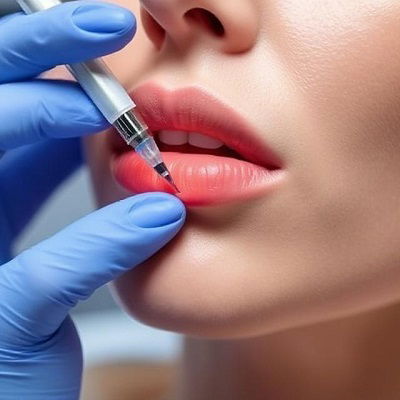
What Are Lip Fillers?
Lip fillers are injectable treatments designed to add volume, improve symmetry, and enhance the overall appearance of the lips. The most widely used type of filler contains hyaluronic acid (HA), a naturally occurring substance in the body that binds water to create a plump, hydrated look.Aside from HA, other filler types exist, such as collagen-based or synthetic options. However, HA fillers are preferred for their safety, natural results, and reversible nature. The treatment is minimally invasive and often requires little to no downtime, making it a popular option for those seeking subtle or noticeable lip enhancements.
Understanding Pain During Lip Fillers
Pain is a subjective experience that varies from person to person. When it comes to lip fillers, the level of discomfort depends on several factors, including:
- Individual pain tolerance: Some people are naturally more sensitive than others.
- Injection technique: The skill and method of the injector can significantly affect how comfortable the procedure feels.
- Filler type and formulation: Some fillers contain lidocaine, a local anesthetic, which reduces pain during the injection.
- Injection area: Different parts of the lips can be more sensitive, particularly the edges and the upper lip.
Most patients report feeling mild pressure or a slight pinch during injections, rather than severe pain. With proper preparation and techniques, discomfort is usually manageable and brief.
How Discomfort Is Minimized
Modern lip filler procedures incorporate several strategies to reduce pain and make the experience as comfortable as possible:
1. Topical Numbing Cream
A numbing cream is often applied to the lips before injections. This helps dull the sensation and reduces anxiety for patients who are nervous about needles.
2. Lidocaine-Infused Fillers
Many hyaluronic acid fillers contain lidocaine, a local anesthetic. This ensures that the filler itself helps minimize pain as it is injected, making the process smoother and less uncomfortable.
3. Small, Precise Injections
Skilled practitioners use very fine needles or cannulas to deliver the filler precisely, reducing trauma to the tissue and minimizing pain. Multiple small injections are often more comfortable than a few larger ones.
4. Ice or Cold Compress
Applying ice before or immediately after injections can numb the area further and reduce swelling, which also helps alleviate discomfort.
What to Expect During the Procedure
The lip filler process is relatively quick and typically follows these steps:
- Consultation: Patients discuss their goals, medical history, and expectations. The provider evaluates the lips and recommends the best approach.
- Preparation: Lips are cleaned, and a numbing cream may be applied.
- Injection: The filler is injected carefully into targeted areas. Patients might feel mild pinching or pressure during this step.
- Massage and Adjustment: The provider may gently massage the lips to ensure even distribution of the filler and achieve the desired shape.
- Post-Treatment Check: Lips are assessed for symmetry, volume, and any immediate reactions. Aftercare instructions are provided.
Most procedures last between 30 and 60 minutes, and pain is usually mild and temporary.
Common Side Effects
Even with minimal discomfort during the procedure, mild side effects may occur afterward:
- Swelling: Peaks within 24–48 hours and gradually subsides.
- Bruising: Small bruises may appear at injection sites.
- Tenderness: Lips may feel slightly sore or sensitive for a few days.
- Redness: Temporary redness is common and typically resolves quickly.
These side effects are normal and part of the body’s natural healing process. Following aftercare instructions helps reduce their severity.
Tips to Reduce Discomfort After Treatment
After the procedure, patients can take steps to minimize discomfort and promote healing:
- Apply a cold compress to the lips to reduce swelling.
- Avoid strenuous exercise for 24–48 hours.
- Keep the lips hydrated with a gentle balm.
- Avoid alcohol and blood-thinning medications immediately after treatment to reduce bruising.
- Refrain from touching or massaging the lips unnecessarily.
These measures help ensure that any lingering soreness or swelling is temporary and manageable.
Is Lip Filler Pain Different for First-Timers?
First-time patients may feel more anxious, which can heighten their perception of pain. Understanding the procedure, knowing that most discomfort is brief, and trusting the provider’s expertise often help reduce stress. Many first-time patients report that the procedure is less painful than expected, especially with the use of numbing creams and lidocaine-containing fillers.
Longevity and Maintenance
Lip fillers are temporary, typically lasting 6–12 months depending on factors like metabolism, lifestyle, and the type of filler used. Touch-ups are common to maintain desired results. The procedure’s mild discomfort is usually outweighed by the long-term aesthetic benefits.
FAQs About Lip Filler Pain
1. How painful is getting lip fillers?
Most patients describe mild pressure or a pinching sensation. Discomfort is generally brief and manageable.2. Do lip fillers hurt more for certain areas of the lips?
Yes, the edges and upper lip tend to be more sensitive than the center.3. Can anything be done to minimize pain?
Yes. Using numbing creams, ice packs, and lidocaine-containing fillers all help reduce discomfort.4. How long does any soreness last?
Tenderness usually subsides within a few days, along with any swelling or redness.5. Is the procedure safe despite mild pain?
Yes, lip fillers are generally safe when performed by a qualified provider. Mild discomfort is normal and not a sign of complications.6. Can fillers be painful for people with low pain tolerance?
Even those with lower pain thresholds typically find the procedure tolerable due to numbing options and skilled injection techniques.
Conclusion
Pain is a common concern for anyone considering cosmetic treatments, but lip fillers are generally well-tolerated. Most patients experience only mild pinching, pressure, or temporary soreness. Modern techniques, numbing creams, lidocaine-infused fillers, and careful injection methods make the procedure as comfortable as possible.For those seeking lip fillers injections in Oman, understanding what to expect and following proper aftercare ensures a smooth experience with minimal discomfort. The brief and manageable pain is often outweighed by the immediate and long-lasting aesthetic benefits of fuller, well-shaped lips.
