Liposuction Recovery Timeline: What to Expect Day by Day
Liposuction is one of the most commonly performed cosmetic procedures for individuals looking to remove stubborn fat deposits that do not respond well to diet and exercise. While the results can be transformative, the recovery process plays a major role in achieving smooth, natural-looking outcomes. Understanding what happens day by day after Liposuction helps patients prepare mentally and physically, making the healing journey more comfortable and predictable.This guide explains the full recovery timeline in a friendly, expert, and easy-to-understand way so readers know exactly what to expect from the first 24 hours through several weeks after the procedure.
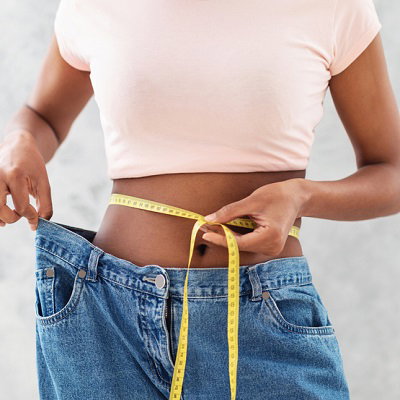
Understanding Liposuction and the Healing Process
Liposuction is a minimally invasive surgical procedure that removes fat cells from targeted areas such as the abdomen, thighs, arms, back, or chin. Although the technique focuses on fat removal, the body still experiences trauma during the process, which triggers a natural healing response.After liposuction, the body begins repairing tissue, reducing swelling, and adjusting to its new shape. This recovery phase is completely normal and varies depending on the treatment area, amount of fat removed, and individual healing speed.The recovery process generally includes:
- Swelling and bruising
- Fluid drainage from incision sites
- Mild to moderate discomfort
- Gradual tightening of the skin
- Progressive improvement in body contours
Day 1 to Day 2: Immediate Post-Procedure Phase
The first 48 hours after liposuction are usually the most sensitive. Patients often experience drowsiness due to anesthesia and may feel soreness in treated areas.During this stage:
- Swelling and bruising begin to appear
- Compression garments are typically worn to reduce fluid buildup
- Mild pain or tightness is common
- Limited movement is advised, but light walking is encouraged to support circulation
The body is adjusting to sudden changes, so rest is essential. Hydration and proper rest help the healing process begin smoothly.
Day 3 to Day 5: Early Recovery and Discomfort Phase
By the third day, anesthesia effects are gone, and the body starts responding more actively to healing. This phase may feel slightly uncomfortable, but it is a normal part of recovery after liposuction.Common experiences include:
- Increased swelling as the body reacts to tissue trauma
- Bruising becoming more visible
- Fluid drainage decreasing gradually
- Soreness when moving or standing for long periods
Patients are usually encouraged to continue wearing compression garments consistently. Light walking is still important to prevent stiffness and improve blood circulation.Most individuals begin to feel slightly more mobile during this stage, although full comfort is still developing.
Day 6 to Day 10: Gradual Improvement Phase
During this period, noticeable improvement begins. Pain typically decreases, and swelling starts to stabilize. The body is slowly adjusting to its new contours.Key changes include:
- Reduced tenderness in treated areas
- Bruising beginning to fade in some regions
- Increased energy levels
- Improved mobility and comfort during daily activities
However, swelling is still present, and the final shape is not yet visible. Compression garments continue to play a vital role in supporting skin tightening and reducing fluid retention.Many individuals feel encouraged during this phase as they start noticing subtle changes in body shape after liposuction.
Week 2 to Week 3: Visible Recovery and Increased Comfort
By the second and third week, recovery becomes more noticeable. Most individuals return to light daily routines and non-strenuous work, depending on how their body is healing.During this stage:
- Swelling continues to reduce gradually
- Bruising significantly fades
- Skin may feel slightly firm or uneven due to internal healing
- Discomfort is minimal or manageable
Some firmness or lumps under the skin are normal as internal tissues heal. Gentle movement and following post-care instructions help improve results.This is also the stage where patients start feeling more confident about their decision, even though final results are still developing.
Week 4 to Week 6: Mid-Recovery and Shape Refinement Phase
At this stage, the body continues refining its new shape. Swelling decreases further, and results become more noticeable.Common observations include:
- More defined body contours
- Improved skin tightness
- Minimal or no pain
- Return to light exercise in many cases (based on medical guidance)
Although the external appearance improves, internal healing is still ongoing. The skin continues to adjust and contract over time, contributing to smoother results.For individuals who underwent liposuction, this phase is often when the transformation becomes more satisfying and visible in daily life.
2 Months and Beyond: Final Results and Long-Term Healing
Full recovery from liposuction can take several months. While most swelling resolves within the first few weeks, subtle changes continue for up to 3 to 6 months or even longer in some cases.At this stage:
- Final body contours become more defined
- Skin appears smoother and more natural
- Any residual swelling fully subsides
- Results stabilize and become long-lasting with proper lifestyle habits
Maintaining a balanced diet and regular physical activity helps preserve the outcome of liposuction and prevents new fat accumulation in untreated areas.
Factors That Influence Liposuction Recovery
Recovery time is not the same for everyone. Several factors can influence how quickly or smoothly a person heals:
- Amount of fat removed during the procedure
- Number of areas treated
- Individual healing ability
- Age and overall health condition
- Post-operative care compliance
- Wearing compression garments correctly
Patients who follow aftercare instructions carefully often experience a smoother and faster recovery process.
Tips for a Smooth Liposuction Recovery
A comfortable recovery depends greatly on how well aftercare instructions are followed. Some helpful tips include:
- Wearing compression garments as directed
- Staying hydrated to support healing
- Avoiding strenuous activities in early recovery stages
- Taking short walks to promote circulation
- Eating nutrient-rich foods to support tissue repair
- Attending follow-up appointments consistently
These habits help reduce complications and improve final results after liposuction.
Frequently Asked Questions (FAQs)
1. How painful is liposuction recovery?
Most individuals experience mild to moderate discomfort rather than severe pain. Soreness, tightness, and tenderness are common in the first few days.
2. When can normal activities be resumed after liposuction?
Light daily activities can usually be resumed within a few days, while more strenuous activities may require several weeks depending on recovery progress.
3. How long does swelling last after liposuction?
Swelling typically lasts a few weeks, but subtle swelling may continue for several months as the body fully heals.
4. When are the final results of liposuction visible?
Final results usually become more noticeable after 2 to 3 months, with complete refinement taking up to 6 months or longer.
5. Is it normal to feel lumps after liposuction?
Yes, mild firmness or lumps can occur during healing as internal tissues recover. These usually improve over time.
6. Can fat return after liposuction?
Fat cells removed during liposuction do not return, but maintaining results depends on healthy lifestyle habits.Liposuction recovery is a gradual journey, but with proper care and realistic expectations, individuals can achieve smooth, natural, and long-lasting results.
Read More About Liposuction: https://666972af349f3.site123.me/blog/complete-guide-to-glutathione-injections-treatment-plan
