Myths About Rhinoplasty Surgery Debunked
Rhinoplasty Surgery, commonly known as nose reshaping surgery, is one of the most widely discussed cosmetic procedures in modern aesthetic medicine. Despite its popularity, it is also surrounded by a long list of myths and misconceptions that often confuse people or discourage them from exploring it as an option. These misunderstandings can lead to unrealistic fears or expectations, preventing individuals from making informed decisions about their appearance and health.In reality, rhinoplasty surgery is a highly refined procedure that can address both cosmetic concerns and functional issues related to breathing. Understanding the truth behind common myths helps patients feel more confident and better prepared if they are considering this treatment. This article breaks down the most common misconceptions and explains what rhinoplasty surgery is really about.
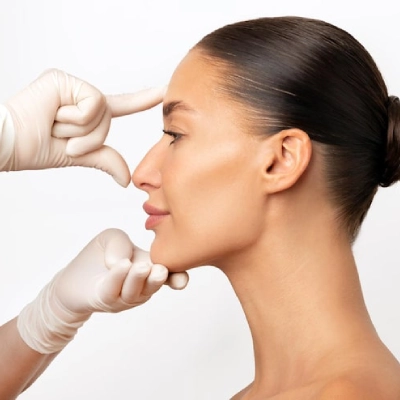
Understanding Rhinoplasty Surgery and Its Purpose
Rhinoplasty surgery is a medical procedure designed to reshape or reconstruct the nose. It can be performed for aesthetic reasons, such as refining the nose’s shape, size, or symmetry, or for functional purposes, such as correcting breathing difficulties caused by structural issues inside the nose.Many people assume rhinoplasty is purely cosmetic, but in reality, it often serves a dual purpose. Some individuals seek surgery after injuries, while others may need it to correct congenital irregularities or breathing problems. The goal is not to create a “perfect” nose, but to achieve facial harmony and improve nasal function in a natural-looking way.
Myth 1: Rhinoplasty Surgery Always Looks Artificial
One of the most common myths is that rhinoplasty surgery results in an unnatural or overly “done” appearance. This misconception often comes from outdated examples or exaggerated results seen in media.In reality, modern rhinoplasty techniques focus on subtle, balanced changes that enhance facial harmony. Surgeons aim to preserve individuality while improving proportions. A well-performed procedure is often undetectable because the changes blend naturally with the rest of the facial features.The outcome depends on careful planning, realistic expectations, and a personalized approach. Instead of changing how a person looks entirely, the surgery refines and enhances what is already there.
Myth 2: Rhinoplasty Surgery Is Only for Aesthetic Purposes
Another widespread belief is that rhinoplasty surgery is only performed for cosmetic reasons. While aesthetic improvement is a major reason people choose the procedure, it is far from the only one.Many individuals undergo rhinoplasty to correct breathing issues caused by structural abnormalities inside the nose, such as a deviated septum. Others may require reconstruction after trauma or injury. In such cases, the surgery focuses on restoring normal function as much as improving appearance.This dual benefit makes rhinoplasty both a functional and cosmetic procedure, depending on the patient’s needs.
Myth 3: The Results of Rhinoplasty Surgery Are Immediately Visible
Some people believe that the results of rhinoplasty surgery can be seen right away after the procedure. However, this is not accurate.After surgery, the nose typically experiences swelling and mild bruising, which can temporarily mask the final outcome. While initial improvements may be visible within a few weeks, the full results often take several months to a year to become fully apparent.This gradual healing process is completely normal. The nasal tissues need time to settle into their new shape, and patience is an important part of the recovery journey.
Myth 4: Rhinoplasty Surgery Is Extremely Painful
A common fear among patients is that rhinoplasty surgery involves severe pain. In reality, most individuals report only mild to moderate discomfort during recovery rather than intense pain.The procedure itself is performed under appropriate anesthesia, so no pain is felt during surgery. Afterward, patients may experience some swelling, congestion, or pressure, similar to a strong cold. These sensations are usually manageable with proper care and gradually improve over time.The perception of rhinoplasty being highly painful is often exaggerated, and most patients are surprised by how manageable the recovery actually is.
Myth 5: Rhinoplasty Surgery Leaves Noticeable Scars
Many people worry that rhinoplasty surgery will leave visible scars on the face. This myth often discourages individuals from considering the procedure.In most cases, incisions are carefully placed in less visible areas, such as inside the nostrils or along natural contours of the nose. As a result, any scarring is minimal and tends to fade significantly over time.With proper healing and post-operative care, scars are usually discreet and not noticeable to others. The skill and technique used during surgery play a major role in ensuring a clean and natural-looking result.
Myth 6: Rhinoplasty Surgery Is Only for Younger People
There is a common assumption that rhinoplasty surgery is only suitable for younger individuals. However, age alone is not the determining factor for eligibility.What matters more is overall health, nasal structure, and realistic expectations. Adults of various age groups may choose rhinoplasty for different reasons, including long-standing cosmetic concerns or breathing difficulties that develop later in life.As long as the patient is medically fit and the nasal structure is fully developed, rhinoplasty can be considered at different stages of adulthood.
Recovery and Healing After Rhinoplasty Surgery
Recovery plays a crucial role in the overall outcome of rhinoplasty surgery. While the initial healing phase may involve swelling and mild discomfort, most individuals are able to return to normal daily activities within a reasonable period.During recovery, patients are generally advised to avoid strenuous activities, protect the nose from accidental impact, and follow post-operative instructions carefully. Swelling gradually reduces over time, revealing more refined and balanced results.Patience is important, as the nose continues to refine and adjust internally even after external healing appears complete. Following proper care guidelines significantly contributes to a smooth recovery and optimal results.
Who Can Consider Rhinoplasty Surgery?
Rhinoplasty surgery may be suitable for individuals who are unhappy with the appearance of their nose or who experience functional breathing issues. Ideal candidates are generally those who have realistic expectations and a clear understanding of the procedure.It is important that individuals undergo a thorough evaluation of their nasal structure and overall health before considering surgery. Emotional readiness is also important, as cosmetic procedures should be approached with informed and balanced expectations rather than impulsive decisions.
Possible Risks and Considerations
Like any surgical procedure, rhinoplasty surgery carries certain risks. These may include temporary swelling, bruising, or minor discomfort during the healing process. In rare cases, additional adjustments may be required.However, when performed with proper planning and care, complications are generally uncommon. Understanding potential risks helps patients make informed choices and prepares them for a smoother experience.
Conclusion
Rhinoplasty surgery is often misunderstood due to widespread myths and misinformation. In reality, it is a carefully designed procedure that can improve both appearance and nasal function while maintaining natural facial harmony.By separating fact from fiction, individuals can approach the idea of nose reshaping with greater clarity and confidence. Whether the goal is aesthetic refinement or functional improvement, rhinoplasty surgery offers a personalized solution that is tailored to individual needs and facial structure.As with any medical decision, understanding the process, recovery, and expectations is essential for achieving satisfying results.
FAQs
1. Is rhinoplasty surgery only for cosmetic enhancement?
No, rhinoplasty surgery can be performed for both cosmetic and functional reasons, including improving breathing issues caused by structural nasal problems.
2. How long does it take to see final results after rhinoplasty surgery?
While initial improvements may be noticeable within weeks, full results can take several months to a year as swelling gradually subsides.
3. Is rhinoplasty surgery painful during recovery?
Most patients experience mild to moderate discomfort rather than severe pain, which is usually manageable with proper care.
4. Will rhinoplasty surgery leave visible scars?
In most cases, incisions are placed inside the nose or in discreet areas, making scars minimal and often barely noticeable over time.
5. Can adults of any age undergo rhinoplasty surgery?
Yes, as long as the individual is in good health and has fully developed nasal structures, age is generally not a limiting factor.
6. How long is the recovery period after rhinoplasty surgery?
Initial recovery typically takes a few weeks, but complete healing and refinement of results continue over several months.
Read More About Rhinoplasty Surgery: https://666972af349f3.site123.me/blog/how-safe-are-repeated-botox-injections-over-time
