Organic Peel: Benefits, Uses, and What to Expect
An Organic Peel is a popular skincare treatment designed to refresh the appearance of the skin, improve uneven texture, and support a brighter-looking complexion. Unlike conventional chemical peels that may rely on stronger synthetic acids, organic peel treatments often use naturally derived ingredients, plant-based extracts, enzymes, or naturally occurring acids. The exact formulation can vary considerably depending on the treatment and the skin concern being addressed.For people considering an Organic Peel, understanding how it works, its potential benefits, possible side effects, and aftercare requirements can make the experience more comfortable and predictable. While these treatments are generally intended to improve the appearance of the skin, suitability depends on individual skin type, sensitivity, existing skin conditions, and the ingredients used.
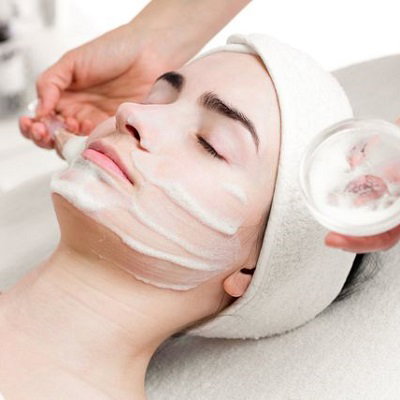
What Is an Organic Peel?
An Organic Peel is a type of exfoliating facial treatment that helps remove dead skin cells from the surface of the skin. Depending on its formulation, it may contain naturally derived ingredients such as fruit acids, botanical extracts, enzymes, or other exfoliating compounds.The treatment encourages the shedding of dull or damaged surface cells, allowing fresher-looking skin to become more visible. Some formulations are relatively gentle and focus mainly on surface exfoliation, while others may provide a more noticeable peeling effect.The word “organic” does not automatically mean that every peel is suitable for every person. Natural ingredients can still cause irritation or allergic reactions, particularly when the skin is sensitive. For that reason, the ingredients and concentration of the peel matter more than the label alone.An Organic Peel may be considered for concerns such as dullness, rough texture, mild uneven pigmentation, clogged pores, and the appearance of fine lines. It can also be used as part of a broader skincare routine when professional treatment is appropriate.
Benefits of an Organic Peel
One of the main reasons people choose an Organic Peel is its ability to provide exfoliation without necessarily requiring an aggressive treatment. When appropriately selected, it can leave the skin looking smoother and more refreshed.
1. Brighter-Looking Skin
Dead skin cells can accumulate on the surface and make the complexion appear dull. Exfoliation helps remove this buildup, which may reveal a brighter and more even-looking surface.
2. Smoother Skin Texture
An Organic Peel can help loosen and remove excess dead skin cells. With regular and appropriate treatments, this may make rough or uneven texture appear smoother.
3. Support for More Even-Looking Skin Tone
Some peeling formulations contain ingredients that can help improve the appearance of superficial discoloration. By encouraging surface cell turnover, an Organic Peel may contribute to a more uniform-looking complexion over time.However, persistent pigmentation can have many causes, and a peel may not address the underlying reason for discoloration. Professional assessment can be useful when pigmentation is persistent, widespread, or changing.
4. Cleaner-Looking Pores
Exfoliation can help remove surface buildup that contributes to clogged-looking pores. Some treatments may therefore be useful for people who experience congestion or an uneven skin surface.An Organic Peel should not be viewed as a guaranteed treatment for acne. Active or severe acne may require a different approach, particularly when inflammation or scarring is involved.
5. Refreshed Appearance
Many people notice that their skin looks fresher following an appropriate exfoliating treatment. The effect can make the complexion appear more polished, particularly before events or occasions where someone wants their skin to look well cared for.
6. Potentially Gentler Exfoliation
Depending on the formulation, some Organic Peel treatments may provide a milder exfoliating experience than stronger professional peels. This can make certain formulations appealing to people who want gradual skin renewal.Still, “gentle” does not mean risk-free. The strength, ingredients, application time, and individual skin response all influence the treatment experience.
What Happens During an Organic Peel Treatment?
The exact process varies according to the type of peel being used, but a typical treatment begins with cleansing the skin. Makeup, sunscreen, oil, and surface impurities are removed so that the peeling solution can be applied evenly.The practitioner then applies the selected peel to the skin, usually avoiding sensitive areas such as the eyes and lips. Depending on the formulation, the solution may remain on the skin for a specific period before being removed or neutralized.During treatment, some people may notice mild tingling, warmth, tightness, or a slight stinging sensation. The intensity can vary from person to person and depends on the peel itself.After the treatment, soothing or hydrating skincare may be applied. The skin may look normal immediately afterward, or it may appear slightly pink or feel tight.Not every Organic Peel causes visible peeling. Some treatments produce little or no obvious flaking, while others can result in noticeable shedding over the following days. The absence of dramatic peeling does not necessarily mean that the treatment was ineffective.
What to Expect After an Organic Peel
The recovery period depends on the strength and ingredients of the treatment. A mild peel may cause little downtime, while a stronger formulation can result in several days of dryness, flaking, redness, or sensitivity.The skin may initially feel tighter than usual. Some people experience mild dryness before the skin begins to shed surface cells. If peeling occurs, it is important not to pull, scratch, or manually remove the flakes. Allowing the skin to shed naturally can reduce unnecessary irritation.Sun protection becomes particularly important after exfoliation. Freshly treated skin can be more vulnerable to environmental irritation and ultraviolet exposure. A broad-spectrum sunscreen, protective clothing, and sensible sun avoidance can help protect the skin during recovery.A gentle skincare routine is generally preferable during this period. Harsh scrubs, aggressive exfoliating products, and potentially irritating active ingredients may increase discomfort. A suitable moisturizer can help support the skin barrier and reduce dryness.Results also vary. Some people notice a smoother or brighter appearance relatively quickly, while improvements in texture or pigmentation may require multiple appropriately spaced treatments.
Is an Organic Peel Suitable for Everyone?
An Organic Peel is not automatically appropriate for every skin type. People with highly sensitive skin, active irritation, certain inflammatory skin conditions, open wounds, or a compromised skin barrier may need to postpone exfoliating treatments.Those using prescription or strong topical skincare products should also discuss their routine before undergoing a peel. Certain ingredients or medications can increase skin sensitivity and may affect how the skin responds.A patch test or professional assessment may be recommended, especially when the treatment contains unfamiliar botanical ingredients or naturally derived acids. A history of allergies should also be communicated before treatment.People with darker skin tones may also benefit from professional guidance when considering exfoliating treatments, particularly if they are prone to post-inflammatory hyperpigmentation. An unsuitable peel or overly aggressive treatment can sometimes trigger unwanted pigmentation rather than improving it.
Organic Peel Aftercare Tips
Good aftercare can make the recovery period more comfortable and help protect the results. The following measures are commonly useful:
- Keep the skincare routine simple and gentle immediately after treatment.
- Use a moisturizer suited to the skin type to help manage dryness.
- Apply broad-spectrum sunscreen consistently during the day.
- Avoid picking or peeling flaking skin by hand.
- Avoid harsh scrubs and unnecessary exfoliation while the skin is recovering.
- Follow any individualized aftercare instructions provided by the treatment professional.
- Avoid introducing several new skincare products immediately after the peel.
- Give the skin enough time to recover before scheduling another exfoliating treatment.
If significant swelling, blistering, severe burning, worsening pain, or an unusual reaction develops, professional medical advice should be sought rather than attempting to manage the reaction with additional skincare products.
How Often Can an Organic Peel Be Done?
The appropriate frequency depends on the formulation, concentration, treatment depth, and individual skin response. A very mild exfoliating treatment may be repeated more frequently than a stronger peel, but treatments should not be scheduled simply because the skin has stopped visibly peeling.Over-exfoliation can damage the skin barrier and lead to dryness, irritation, increased sensitivity, and other unwanted reactions. A carefully planned treatment schedule is therefore more beneficial than frequent peeling.For people new to Organic Peel treatments, starting conservatively can be a sensible approach. The skin's response can then help determine whether future treatments should be adjusted.
Frequently Asked Questions
1. What does an Organic Peel do to the skin?
An Organic Peel exfoliates the outer layer of dead skin cells, helping the skin appear smoother, brighter, and more refreshed. Depending on its ingredients and strength, it may also help improve the appearance of uneven texture, superficial discoloration, and clogged-looking pores.
2. Does an Organic Peel make the skin peel visibly?
Not necessarily. Some Organic Peel treatments cause visible flaking, while others produce little or no noticeable peeling. The amount of visible peeling depends on the ingredients, concentration, treatment depth, and individual skin response.
3. Is an Organic Peel painful?
Most people experience some degree of tingling, warmth, tightness, or mild stinging during certain peel treatments. Strong discomfort is not something that should simply be ignored. If burning or pain becomes significant, the treatment professional should be informed immediately.
4. How long does it take to see results from an Organic Peel?
Some people notice a fresher and smoother appearance within several days, while other concerns may take longer to improve. Results depend on the skin concern, peel formulation, individual response, and whether a series of treatments is recommended.
5. Can an Organic Peel help with acne or acne marks?
Some exfoliating formulations may help improve clogged pores and the appearance of certain post-acne marks. However, an Organic Peel is not a universal acne treatment. Active acne, significant inflammation, or persistent scarring may require a different skincare or medical approach.
6. What should be avoided after an Organic Peel?
Immediately after treatment, it is generally best to avoid picking peeling skin, harsh scrubs, excessive sun exposure, and products that may irritate already-sensitive skin. A gentle cleanser, moisturizer, and appropriate sun protection are usually more suitable during the recovery period.
Final Thoughts
An Organic Peel can be a useful option for people seeking a refreshed, smoother, and brighter-looking complexion. Its potential benefits come primarily from controlled exfoliation, which helps remove surface buildup and supports the appearance of renewed skin.The most important factor is not simply whether a peel is described as “organic,” but whether its ingredients, strength, and application are appropriate for the individual's skin. A carefully selected treatment combined with suitable aftercare can provide a more comfortable experience and help reduce the risk of unnecessary irritation.Anyone considering an Organic Peel should take skin sensitivity, current skincare products, existing skin concerns, and sun exposure into account. When there is uncertainty about suitability, professional skin assessment is the safest way to determine whether the treatment is appropriate.
Read More About Organic Peel: https://www.enfieldroyalclinics.om/skincare-treatments/organic-peel/
