Ozempic Weight Loss Plateaus: How to Overcome
Ozempic has become a popular solution for individuals looking to manage weight alongside blood sugar control. As a GLP-1 receptor agonist, it works by reducing appetite, slowing gastric emptying, and improving insulin sensitivity. Many people using Ozempic Injection in Muscat experience significant initial weight loss, but it’s common to encounter a plateau where progress slows or stalls. Understanding why plateaus occur and how to overcome them is essential for continued success and long-term health.This guide explores the causes of Ozempic weight loss plateaus and provides practical strategies to keep the journey on track.
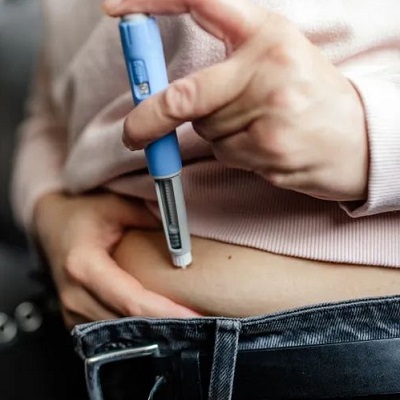
Understanding Ozempic and Its Mechanism
Ozempic (semaglutide) is primarily used to treat type 2 diabetes, but its appetite-suppressing effects have made it widely used for weight management. It works by:
- Stimulating GLP-1 receptors, which promote satiety
- Slowing the digestive process, prolonging fullness
- Supporting insulin regulation and glucose control
By influencing appetite and metabolism, Ozempic helps users consume fewer calories and make healthier dietary choices. However, the body can adapt over time, which may lead to slower weight loss or a plateau.
Why Weight Loss Plateaus Happen
1. Metabolic Adaptation
As weight decreases, the body requires fewer calories to function, a phenomenon known as adaptive thermogenesis. Even with continued use of Ozempic, calorie intake may need to be further adjusted to maintain progress.
2. Lifestyle Habits
Over time, individuals may unintentionally revert to old habits or underestimate caloric intake. Even minor deviations in diet or activity can slow weight loss.
3. Hormonal and Physiological Changes
Hormones like leptin, ghrelin, and insulin play a role in hunger and metabolism. Long-term weight loss can trigger changes in these hormones, increasing appetite or reducing energy expenditure.
4. Inconsistent Medication Use
Missing doses or not following the prescribed injection schedule may affect the effectiveness of Ozempic. Consistency is critical for maintaining appetite suppression and metabolic support.
Strategies to Overcome an Ozempic Plateau
1. Reassess Your Diet
Even small adjustments can make a significant difference:
- Track food intake to identify hidden calories
- Focus on nutrient-dense, high-protein meals to support satiety
- Incorporate more fiber-rich vegetables and whole grains
Reducing ultra-processed foods and sugary beverages can also enhance results without drastic dieting.
2. Increase Physical Activity
Exercise is essential for both weight maintenance and continued fat loss. Strategies include:
- Adding resistance training to preserve muscle mass
- Incorporating high-intensity interval training (HIIT) for metabolic boost
- Increasing daily movement, such as walking or stair climbing
Maintaining muscle mass is particularly important, as it supports metabolism and counters the natural slowing that can occur during weight loss.
3. Optimize Ozempic Use
Consultation with a healthcare professional is key:
- Ensure the dosage is appropriate for your goals
- Discuss whether gradual adjustments are needed
- Verify proper injection technique for maximum absorption
Following professional guidance helps maintain effectiveness and minimize potential side effects.
4. Focus on Behavioral Changes
Long-term weight management relies on sustainable habits:
- Establish regular meal patterns
- Practice mindful eating to reduce overeating
- Set realistic goals and track progress
Behavioral strategies reinforce the effects of Ozempic, helping users navigate plateaus more effectively.
5. Address Sleep and Stress
Both sleep deprivation and chronic stress can interfere with hormones that regulate appetite and metabolism. Prioritizing quality sleep and stress management can support continued weight loss. Techniques such as meditation, deep breathing, and maintaining a consistent sleep schedule are beneficial.
6. Stay Hydrated
Water helps maintain metabolic function and can reduce feelings of hunger. Drinking sufficient water throughout the day may help overcome minor plateaus and support overall health.
When to Seek Professional Guidance
If a plateau persists for several weeks despite adjustments, it may be necessary to consult a healthcare professional. They can:
- Review medication dosage and schedule
- Assess metabolic or hormonal factors
- Suggest complementary interventions for weight management
Professional oversight ensures that strategies are safe, effective, and tailored to individual needs.
Maintaining Long-Term Success
Even after breaking a plateau, maintaining results requires continued attention to lifestyle:
- Consistent use of Ozempic as prescribed
- Balanced nutrition and portion control
- Regular physical activity
- Ongoing monitoring of weight and health markers
Long-term weight management is a combination of medication, behavior, and lifestyle rather than reliance on a single intervention.
FAQs About Ozempic Weight Loss Plateaus
1. How long do weight loss plateaus usually last?
Plateaus can vary but often last a few weeks to a couple of months. Strategic adjustments in diet, exercise, or medication can help overcome them.
2. Can increasing the Ozempic dose help break a plateau?
Dose adjustments should only be done under medical supervision. A doctor can determine if an increase is appropriate based on goals, health status, and tolerance.
3. Is it normal to regain weight during a plateau?
Minor fluctuations are normal. Consistent adherence to lifestyle changes and Ozempic usage is essential to minimize regain.
4. Can combining exercise with Ozempic improve results?
Yes, combining resistance training and aerobic exercise can support continued fat loss, preserve muscle mass, and enhance metabolic rate.
5. What lifestyle habits support breaking a plateau?
Mindful eating, tracking calories, increasing protein and fiber intake, managing stress, and maintaining regular physical activity all contribute to overcoming plateaus.
6. Is it safe to continue Ozempic long-term?
Long-term use of Ozempic can be safe under medical supervision. Regular monitoring and periodic consultations ensure effectiveness and minimize potential side effects.
Conclusion
Weight loss plateaus while using Ozempic injection in Muscat are a common part of the journey, but they are not insurmountable. Understanding the causes, including metabolic adaptation, lifestyle factors, and hormonal changes, is the first step toward overcoming them.Combining medication with strategic dietary adjustments, increased physical activity, behavioral changes, stress management, and professional guidance can help users continue to achieve their weight loss goals. By taking a proactive, sustainable approach, individuals can maintain progress, enhance overall health, and achieve long-term success.
