Pediatric & Teenage Use of Skin Booster Injections: Safe?
Maintaining healthy, hydrated skin is important at every age. While Skin Booster Injections in Muscat have become popular among adults for enhancing skin texture, hydration, and radiance, many parents and teenagers wonder whether these treatments are safe for younger individuals. The idea of using cosmetic injections at a pediatric or teenage age raises questions about safety, necessity, and long-term effects. This article explores the topic in depth, offering guidance based on current knowledge, practical considerations, and safety precautions.
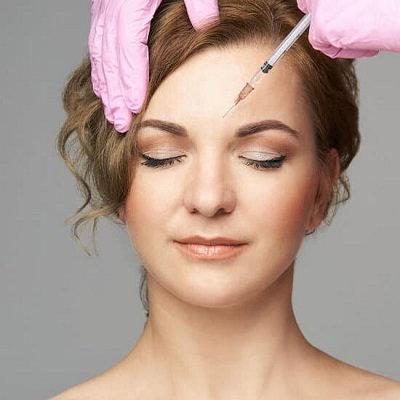
Understanding Skin Booster Injections
Skin booster injections are a type of minimally invasive treatment designed to improve skin quality rather than alter facial structure. Unlike traditional dermal fillers, which are used to add volume or contour, skin boosters are injected superficially to deeply hydrate the skin, enhance elasticity, and reduce the appearance of fine lines.The main ingredient in most skin boosters is hyaluronic acid—a naturally occurring substance in the body that attracts and retains moisture. By replenishing lost hydration, these injections can make skin appear smoother, plumper, and more radiant. In addition to hyaluronic acid, some formulations may include vitamins or amino acids that support skin health.For adults, skin booster injections are typically used for the face, neck, décolletage, and hands. Their effects are temporary and cumulative, meaning repeated sessions are often required to maintain optimal results.
Are Skin Booster Injections Safe for Children and Teenagers?
When it comes to pediatric and teenage use, safety is the primary concern. Medical professionals generally recommend caution. While hyaluronic acid is biocompatible and naturally metabolized by the body, the use of skin boosters in individuals under 18 is uncommon and usually reserved for specific medical reasons rather than aesthetic purposes.For teenagers, the skin is still developing. Hormonal changes during adolescence can affect oil production, sensitivity, and healing processes. Introducing injectable treatments prematurely may carry risks such as:
- Unpredictable results due to ongoing skin development
- Potential for irritation or inflammation if the skin is sensitive or acne-prone
- Emotional and psychological considerations, including body image issues
In most cases, non-invasive skincare solutions—hydrating creams, gentle cleansers, sun protection, and lifestyle habits—are preferred for maintaining youthful skin in pediatric and teenage populations.
When Skin Booster Injections Might Be Considered
There are rare situations where skin booster injections might be considered for younger patients, typically for medical rather than cosmetic reasons. For example:
- Severe skin dehydration due to certain dermatological conditions
- Scarring or post-traumatic skin damage where hydration can support healing
- Specific clinical protocols under expert supervision
Even in these cases, the treatment should be administered with caution, proper consent, and thorough discussion of potential risks and benefits. For aesthetic purposes alone, most experts advise waiting until skin maturity—usually in the late teens or early twenties.
Differences Between Adult and Teenage Skin
Understanding the differences between adult and teenage skin is essential when considering any injectable treatment.
- Collagen and Elasticity: Teen skin typically has higher collagen levels, meaning natural firmness and hydration are usually sufficient.
- Hormonal Activity: Hormonal fluctuations during adolescence can cause acne, oily skin, or sensitivity, which may complicate injection outcomes.
- Healing Capacity: While younger skin heals faster, it may also react unpredictably to treatments designed for mature skin.
These factors highlight why skin booster injections are generally more suitable for adults seeking preventative or corrective skin care rather than teenagers who are still in a natural growth phase.
Non-Invasive Alternatives for Young Skin
For teenagers and younger patients, there are several safe, effective ways to support skin health without injections. These include:
- Daily hydration: Drinking sufficient water helps maintain overall skin health.
- Gentle skincare: Using pH-balanced cleansers and lightweight moisturizers protects the skin barrier.
- Sun protection: Applying broad-spectrum sunscreen prevents UV-related damage and early aging.
- Balanced diet: Nutrient-rich foods support collagen production and skin hydration.
- Topical hyaluronic acid: Serums or creams can mimic some benefits of skin boosters without injections.
These strategies allow teenagers to achieve hydrated, healthy skin while avoiding potential risks associated with injectable treatments.
Safety Considerations for Skin Booster Injections in Muscat
Even when considering adult treatments, safety remains a priority. Patients in Muscat, or elsewhere, should be aware of general precautions:
- Ensure treatments are performed in a safe, sterile environment.
- Confirm that the product used is approved and suitable for the intended purpose.
- Follow pre- and post-treatment care instructions to reduce side effects like redness, swelling, or bruising.
- Avoid injections for individuals with active infections, skin conditions, or known allergies to ingredients.
For pediatric and teenage patients, these precautions become even more critical, underscoring why non-invasive methods are preferred unless medically indicated.
FAQs About Skin Booster Injections in Pediatric and Teenage Populations
1. Can teenagers safely get skin booster injections for hydration?
Generally, aesthetic skin booster injections are not recommended for teenagers unless there is a specific medical indication. Non-invasive hydration methods are preferred.
2. What age is considered appropriate for skin booster injections?
Most experts recommend waiting until late teens or early twenties, when the skin has reached maturity and hormonal fluctuations are less intense.
3. Are there side effects specific to younger patients?
Potential side effects include swelling, redness, or irritation, and the skin may respond unpredictably due to ongoing development.
4. Can topical treatments replace skin boosters for teens?
Yes. Topical hyaluronic acid, moisturizers, and protective skincare routines can provide similar hydration benefits without the risks of injections.
5. How often are skin booster injections recommended for adults?
For adults, initial treatments are typically spaced 3–4 weeks apart, followed by maintenance sessions every 4–6 months depending on individual skin needs.
6. Are there long-term risks of early use in teenagers?
Long-term risks are not well studied, which is why early use for cosmetic purposes is generally discouraged. Waiting until skin maturity is safer.
Conclusion
While Skin Booster Injections in Muscat offer an effective solution for adult skin hydration and rejuvenation, their use in pediatric and teenage populations is limited and approached with caution. Teenagers’ skin is naturally resilient and still developing, making non-invasive approaches the preferred choice for maintaining hydration and skin health.For younger patients, topical treatments, sun protection, proper nutrition, and lifestyle choices provide significant benefits without the potential risks of injections. Only in rare, medically indicated cases should skin booster injections be considered for younger individuals—and even then, careful monitoring and professional guidance are essential.In summary, parents and teenagers should prioritize safe, non-invasive strategies for skin care and consider skin booster injections primarily as an adult treatment once the skin has fully matured. This approach ensures both effectiveness and safety while supporting long-term skin health.
