Peptides Treatment: Uses, Benefits, and Basic Science
Peptides Treatment has become an increasingly discussed topic in modern health, wellness, and aesthetic care. As scientific understanding of the body continues to evolve, peptides are gaining attention for their potential role in supporting skin health, muscle recovery, metabolism, and overall cellular function. While the concept may sound complex, peptides are naturally occurring biological compounds that play a simple yet powerful role in how the body communicates and repairs itself.This article explores what peptides treatment is, how it works, its potential benefits, and why it is becoming a popular area of interest in both medical and wellness communities.
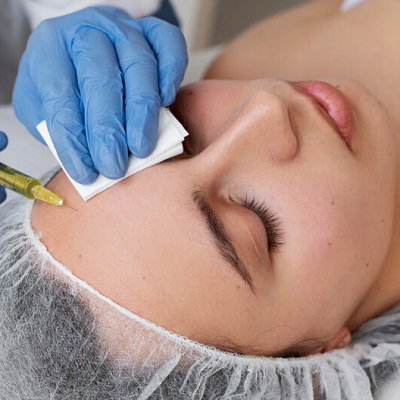
What Are Peptides and Peptides Treatment?
Peptides are short chains of amino acids, which are the building blocks of proteins. When amino acids link together in smaller chains, they form peptides; longer chains form proteins. These small molecules act like messengers in the body, signaling cells to perform specific functions such as healing, growth, or repair.Peptides treatment refers to the use of these compounds—either naturally stimulated or synthetically developed—to support various biological processes. In many cases, peptides are designed to mimic naturally occurring signals in the body, helping to enhance or regulate specific functions.Unlike large protein molecules, peptides are small enough to be easily absorbed and used by the body, making them an efficient tool in therapeutic and cosmetic applications.
How Peptides Work in the Body
The effectiveness of peptides treatment lies in how peptides interact with cellular receptors. Each peptide is designed to send a specific message to certain cells. When a peptide binds to a receptor, it triggers a biological response.For example, some peptides may signal the skin to produce more collagen, while others may encourage muscle tissue repair or regulate inflammation. Because peptides are highly specific in their function, they are often considered targeted and efficient in comparison to broader treatments.In simple terms, peptides act like “instructions” that guide cells on what to do. This communication system is essential for maintaining balance in the body, supporting healing processes, and promoting overall cellular health.
Common Uses of Peptides Treatment
Peptides treatment is being explored and used in several areas of health and wellness. While research is ongoing, some of the most common applications include:
Skin Health and Anti-Aging Support
One of the most popular uses of peptides is in skincare and anti-aging support. Certain peptides are known to stimulate collagen production, which helps improve skin elasticity, reduce fine lines, and promote a smoother complexion. As collagen naturally decreases with age, peptides may help support the skin’s structure and firmness.
Muscle Recovery and Performance Support
Peptides are also studied for their role in muscle repair and recovery. Some peptides may assist in tissue regeneration, making them of interest in fitness and sports recovery contexts. They are believed to help the body heal more efficiently after physical activity.
Metabolic and Weight Management Research
Certain peptides are being investigated for their potential influence on metabolism and appetite regulation. While research is still evolving, these peptides may interact with hormones that control hunger and energy balance.
Wound Healing and Tissue Repair
Another important area of peptides treatment is wound healing. Some peptides may support faster tissue repair by enhancing cell growth and reducing inflammation, which can be beneficial in recovery processes.
Key Benefits of Peptides Treatment
Peptides treatment is valued for its wide range of potential benefits, especially due to its targeted action in the body. Some of the commonly discussed benefits include:
Supports Natural Collagen Production
Peptides can help stimulate the production of collagen, a key protein responsible for skin firmness, elasticity, and strength. This makes them especially popular in cosmetic and skincare applications.
May Improve Skin Appearance and Texture
By supporting collagen and elastin production, peptides may help improve overall skin tone, reduce visible signs of aging, and enhance skin texture over time.
Encourages Muscle Repair and Recovery
In fitness and physical wellness contexts, peptides are believed to support muscle tissue recovery and regeneration after exercise or injury.
Helps Support Cellular Communication
Because peptides act as messengers, they play a role in improving how cells communicate and respond to the body’s needs. This can contribute to better overall biological balance.
May Assist in Reducing Inflammation
Some peptides are associated with anti-inflammatory effects, which may help the body recover more efficiently from stress, injury, or physical strain.
Types of Peptides Used in Treatments
Not all peptides function the same way. Different types of peptides are used depending on the desired outcome. Some of the main categories include:
Signal Peptides
These peptides help stimulate cells to produce important proteins like collagen and elastin. They are commonly used in skin-related applications.
Carrier Peptides
Carrier peptides transport trace elements, such as copper, into cells. These elements can support healing and enzymatic functions in the body.
Enzyme-Inhibitor Peptides
These peptides work by slowing down or blocking certain enzymatic activities, such as the breakdown of collagen, which may help maintain skin structure.
Neurotransmitter-Inhibiting Peptides
Some peptides influence nerve-related signals and may help reduce the appearance of fine lines by relaxing facial muscle activity.Each type plays a different role, and in many cases, multiple peptides are combined to achieve more balanced results.
Safety Considerations and Important Points
While peptides treatment shows promise in various areas, it is important to approach it with awareness and understanding. The effects of peptides can vary depending on the type used, dosage, and individual response.Some general considerations include:
- Not all peptide products are regulated in the same way
- Quality and formulation can significantly affect results
- Individual reactions may differ based on health conditions
- Long-term research is still ongoing for certain peptide applications
Because peptides interact directly with biological systems, responsible use and proper guidance are essential. Understanding how a specific peptide works is key to achieving safe and effective outcomes.
The Future of Peptides in Health and Wellness
The future of peptides treatment looks promising as research continues to expand. Scientists are exploring how peptides can be used in more targeted therapies for aging, chronic conditions, immune support, and regenerative medicine.One of the most exciting aspects of peptides is their ability to be customized. Since peptides can be designed to mimic natural biological signals, they open the door to highly specific treatments tailored to individual needs.As technology and biotechnology advance, peptides may become an even more important part of preventive health, recovery support, and personalized wellness strategies.
Frequently Asked Questions (FAQs)
1. What is peptides treatment used for?
Peptides treatment is used for various purposes, including supporting skin health, improving collagen production, aiding muscle recovery, and assisting with tissue repair. It is also being researched for broader wellness and metabolic benefits.
2. Are peptides naturally found in the body?
Yes, peptides are naturally produced in the body. They act as signaling molecules that help regulate essential functions such as healing, hormone activity, and immune response.
3. Can peptides help with aging skin?
Peptides are commonly used in skincare because they may stimulate collagen production. This can help improve skin elasticity, reduce fine lines, and support a more youthful appearance over time.
4. Are peptides safe to use?
Peptides are generally considered safe when used appropriately. However, effects can vary depending on the type of peptide and individual health conditions. Research is still ongoing for many applications.
5. How long does it take to see results from peptides treatment?
Results can vary widely. Some people may notice changes within a few weeks, while others may require longer use depending on the purpose of the treatment and individual response.
6. Do peptides have side effects?
In some cases, mild side effects such as irritation or sensitivity may occur, depending on the form of use. However, responses vary, and not everyone experiences side effects.
Read More About Peptides Treatment: https://666972af349f3.site123.me/blog/a-beginner-s-guide-to-breast-lift-surgery-recovery
