Profhilo Treatment vs Dermal Fillers: Key Differences
In recent years, non-surgical facial rejuvenation has grown tremendously in popularity. Among the treatments available, Profhilo Treatment and dermal fillers stand out for their ability to enhance skin appearance, restore volume, and combat signs of aging. While both are injectable treatments using hyaluronic acid, they serve different purposes and offer distinct results. Understanding their differences can help individuals make informed choices about which option is best suited for their aesthetic goals.
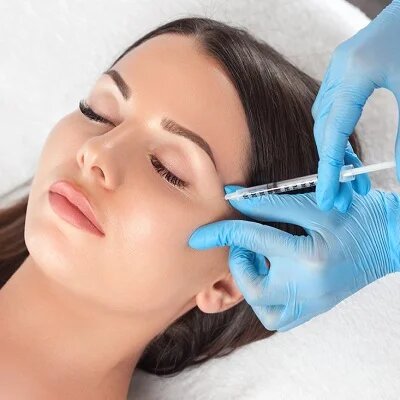
What is Profhilo Treatment?
Profhilo is a revolutionary skin booster rather than a traditional filler. It is composed of a high concentration of hyaluronic acid (HA) but is specifically designed to improve skin quality, hydration, and elasticity rather than adding volume.Unlike dermal fillers that target specific areas, Profhilo spreads evenly beneath the skin after injection, stimulating collagen and elastin production. This makes it an ideal option for those seeking subtle, overall facial rejuvenation and natural radiance, rather than dramatic plumping.
What Are Dermal Fillers?
Dermal fillers, such as Restylane or Juvederm, are injectable gels primarily designed to restore lost volume and reshape facial contours. Made from hyaluronic acid, they can target specific areas like lips, cheeks, and nasolabial folds.Dermal fillers add structure and lift to the face, which can correct hollows, deep wrinkles, and sagging. They are ideal for patients looking for a more defined enhancement in targeted areas, offering instant and noticeable results.
Key Differences Between Profhilo and Dermal Fillers
1. Purpose and Effect
The primary difference lies in their purpose.
- Profhilo Treatment: Focuses on skin hydration, firmness, and texture. It works gradually to stimulate natural collagen production, resulting in a youthful glow and improved elasticity.
- Dermal Fillers: Focus on adding volume and correcting structural concerns. They are used to sculpt lips, cheeks, and jawlines or smooth out deeper wrinkles.
2. Injection Technique
The techniques for administering Profhilo and dermal fillers differ significantly:
- Profhilo: Injected using a bio-remodelling technique called the BAP (Bio Aesthetic Points) method. This involves a few small injections strategically placed to allow the hyaluronic acid to diffuse under the skin.
- Dermal Fillers: Injected directly into specific areas that need volume or correction. The injections are more localized and precise to achieve targeted enhancements.
3. Results and Longevity
- Profhilo: Results are subtle and develop gradually over 4 to 8 weeks. Improvements in skin texture, elasticity, and hydration are noticeable, but facial contours remain natural. Effects generally last 6 months, and maintenance treatments are recommended.
- Dermal Fillers: Results are immediate and more dramatic. Depending on the area and type of filler used, results can last from 6 months to 18 months. Some areas may require touch-ups sooner.
4. Ideal Candidates
- Profhilo: Best for individuals with early signs of aging, mild sagging, or dehydration. It’s suitable for anyone looking for overall facial rejuvenation without significant volume restoration.
- Dermal Fillers: Ideal for those with more pronounced volume loss, deep wrinkles, or specific facial contour concerns. They are suitable for patients seeking visible enhancement in defined areas.
5. Recovery and Side Effects
Both treatments are minimally invasive, but the side effects and recovery can vary:
- Profhilo: Minimal downtime, with slight swelling or redness possible for a few hours. It is a gentle treatment suitable for sensitive skin.
- Dermal Fillers: May result in bruising, swelling, or tenderness for a few days. Recovery time can be slightly longer, depending on the treatment area and depth of injection.
Combination Treatments: Profhilo and Dermal Fillers
Many patients benefit from combining Profhilo and dermal fillers. Using Profhilo first to improve skin quality can enhance the overall results of dermal fillers. Once the skin is hydrated and elastic, fillers can be applied for precise volumization and contouring.This approach creates a balanced, natural-looking rejuvenation that addresses both skin texture and facial structure.
FAQs About Profhilo Treatment
1. Is Profhilo suitable for all skin types?
Yes, Profhilo is safe for most skin types, including sensitive skin. It works gently to improve hydration and elasticity without adding volume.
2. How many sessions of Profhilo are needed?
Typically, two sessions spaced four weeks apart are recommended, with maintenance treatments every 6 months to prolong results.
3. Can Profhilo replace dermal fillers?
Not entirely. Profhilo enhances skin quality but does not provide the targeted volume or contouring that fillers offer. The treatments serve complementary purposes.
4. Are there any side effects of Profhilo?
Side effects are minimal and may include slight redness, swelling, or small bumps at injection sites, which usually resolve within 24 hours.
5. How long do Profhilo results last?
Results generally last around 6 months, depending on individual metabolism and lifestyle factors.
6. Is the procedure painful?
Most patients experience minimal discomfort. A fine needle is used, and some practitioners apply a topical numbing cream for added comfort.
Final Thoughts
While Profhilo treatment and dermal fillers both use hyaluronic acid, they serve different purposes and deliver different results. Profhilo focuses on skin hydration, elasticity, and overall rejuvenation, making it ideal for subtle improvements and early signs of aging. Dermal fillers, on the other hand, provide targeted volume and contouring for individuals seeking more dramatic enhancements.For those in search of non-surgical facial rejuvenation, understanding the differences between these treatments helps in choosing the most suitable option. Combining both treatments can also offer the benefits of smoother, hydrated skin with defined facial features, creating a harmonious, youthful appearance.By considering individual needs, goals, and skin conditions, patients can make informed decisions to achieve safe, natural, and satisfying results with these modern aesthetic treatments.
