Rhinoplasty and Breathing Problems: What to Know Before You Go
Rhinoplasty in Muscat has become one of the most sought-after cosmetic and functional procedures, offering patients the opportunity to reshape their nose for aesthetic enhancement and improved breathing. While many people associate rhinoplasty with appearance changes, it’s important to understand that the nose is also a crucial organ for breathing. A well-performed rhinoplasty can enhance both form and function—but if not done carefully, it can sometimes lead to or worsen breathing problems.This article explores the connection between rhinoplasty and breathing, what causes breathing difficulties after surgery, and what patients should know before undergoing the procedure.
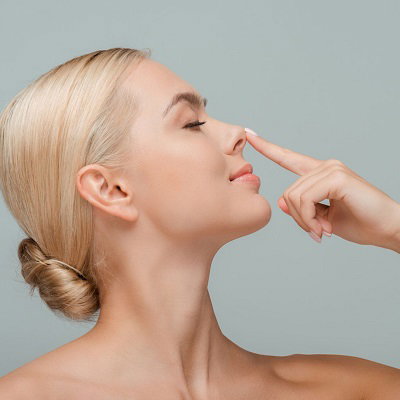
Understanding Rhinoplasty and Its Purpose
Rhinoplasty, commonly known as a nose job, is a surgical procedure that reshapes the nose. It can be performed for aesthetic reasons, functional correction, or a combination of both. In Muscat, rhinoplasty is performed for a variety of purposes:
- Cosmetic: Adjusting the shape, size, or angle of the nose to enhance facial harmony.
- Functional: Correcting breathing issues caused by structural problems such as a deviated septum or collapsed nasal valves.
- Reconstructive: Restoring nasal structure after trauma or previous surgery.
A successful rhinoplasty balances aesthetics and function—improving nasal appearance while maintaining or enhancing airflow.
The Relationship Between Rhinoplasty and Breathing
The nose is more than just a facial feature; it plays a vital role in filtering, warming, and humidifying the air we breathe. Its internal structures—such as the septum, turbinates, and nasal valves—work together to maintain proper airflow. When rhinoplasty alters these structures, it can affect breathing.
How Rhinoplasty Can Improve Breathing
Many people seek rhinoplasty not just for appearance but also to fix chronic breathing issues. Some common causes of nasal obstruction that rhinoplasty can correct include:
- Deviated septum: A crooked septum can block airflow in one or both nostrils.
- Collapsed nasal valves: Weak or narrow nasal valves restrict airflow, especially during deep breaths.
- Enlarged turbinates: These tissues inside the nose can become swollen, making it harder to breathe.
- Post-traumatic deformities: Injuries to the nose can cause structural blockages that affect breathing.
By addressing these issues, functional rhinoplasty helps patients breathe more easily and sleep better, often reducing symptoms like snoring or nasal congestion.
When Rhinoplasty Leads to Breathing Problems
Although rhinoplasty aims to improve the nose’s structure, there are cases where surgery can unintentionally cause or worsen breathing difficulties. This typically happens when too much cartilage or bone is removed, or when the nasal valves become weakened during reshaping. Common causes include:
- Over-reduction of nasal structures: Removing too much tissue can narrow the airways.
- Nasal valve collapse: Structural weakening of the nasal sidewalls can make breathing more difficult.
- Scar tissue formation: Internal scarring may obstruct airflow as the nose heals.
- Inadequate support: Insufficient cartilage support can lead to nasal obstruction over time.
Such complications highlight the importance of choosing a skilled surgeon who prioritizes both function and aesthetics.
What to Expect Before Rhinoplasty in Muscat
Before undergoing rhinoplasty in Muscat, patients should take several key steps to ensure a successful outcome and minimize breathing complications.
1. Comprehensive Consultation
A detailed consultation is the foundation of a successful rhinoplasty. During this stage:
- The nose’s external appearance and internal structure are evaluated.
- Patients discuss their goals—whether cosmetic, functional, or both.
- Breathing assessments are conducted to identify any existing nasal obstructions.
- Imaging or digital simulations may be used to plan the desired results.
2. Functional Assessment
If breathing issues are a concern, the surgeon may recommend additional diagnostic evaluations such as nasal endoscopy or imaging scans. This helps identify underlying issues like septal deviation or turbinate enlargement that can be corrected during the same surgery.
3. Setting Realistic Expectations
Every patient’s anatomy is unique, and rhinoplasty results vary accordingly. It’s important to understand that the goal is improvement—not perfection. A natural, proportionate nose that allows proper breathing is the ideal outcome.
Post-Surgery: Breathing and Recovery
After undergoing rhinoplasty in Muscat, the recovery process is a crucial period where proper care determines both the aesthetic and functional results.
Early Healing Phase (First 1–2 Weeks)
- Swelling and congestion are common due to internal and external inflammation.
- Breathing through the nose may feel restricted at first.
- Cold compresses and prescribed medications can help reduce swelling and discomfort.
Intermediate Phase (2–6 Weeks)
- Swelling gradually subsides, and nasal passages begin to open.
- Patients are advised to avoid strenuous activities and blowing their nose.
- Breathing typically improves as internal tissues heal.
Long-Term Recovery (3–12 Months)
- The final nasal shape takes form as swelling fully resolves.
- Breathing should stabilize and feel natural.
- Any persistent breathing difficulties should be evaluated promptly to rule out structural complications.
Preventing Breathing Issues After Rhinoplasty
Patients can take several proactive steps before and after surgery to ensure optimal breathing:
- Choose an experienced surgeon: Look for expertise in both cosmetic and functional rhinoplasty.
- Communicate clearly: Discuss any pre-existing breathing difficulties before surgery.
- Follow post-operative care instructions: Proper recovery care minimizes swelling and scar tissue formation.
- Avoid trauma or pressure: Protect the nose from impact during the healing phase.
- Attend follow-up visits: Regular check-ups allow early detection and management of potential issues.
FAQs About Rhinoplasty in Muscat
1. Can rhinoplasty improve breathing problems?
Yes, functional rhinoplasty can correct structural issues such as a deviated septum, collapsed nasal valves, or enlarged turbinates to enhance airflow and breathing comfort.
2. Why do some people experience breathing problems after rhinoplasty?
Breathing issues may arise if too much tissue is removed, internal structures collapse, or scar tissue forms during healing. This is why precise surgical technique and post-operative care are essential.
3. How long does nasal congestion last after surgery?
Mild congestion may persist for 1–3 weeks after rhinoplasty due to swelling, but it gradually improves as the tissues heal.
4. Can revision rhinoplasty fix breathing problems?
Yes. If breathing issues develop after the initial surgery, revision rhinoplasty can help restore proper nasal structure and function.
5. Is rhinoplasty in Muscat only for cosmetic purposes?
No. While many undergo rhinoplasty for aesthetic enhancement, it is also performed for medical reasons—such as improving airflow, correcting injuries, or addressing congenital nasal deformities.
6. How soon after rhinoplasty can normal breathing return?
Most patients notice gradual improvement in nasal breathing within a few weeks, but full recovery may take up to a year as swelling completely subsides.
Conclusion
Rhinoplasty in Muscat offers more than just cosmetic transformation—it can also significantly improve breathing and overall nasal function when performed correctly. However, understanding the balance between form and function is crucial. Patients considering the procedure should ensure a detailed consultation, realistic expectations, and proper post-operative care to minimize risks and enjoy the full benefits of rhinoplasty.By choosing an experienced surgeon, following recovery guidelines, and maintaining open communication, individuals can achieve a nose that not only looks beautiful but also allows them to breathe freely and comfortably.
