Rhinoplasty Surgery: Understanding the Different Types
Rhinoplasty, commonly known as a nose job, is a cosmetic and functional procedure that reshapes or reconstructs the nose. In Muscat, the interest in rhinoplasty has grown significantly as people seek both aesthetic enhancement and solutions for breathing difficulties. While the term “rhinoplasty” may seem straightforward, there are actually several different types of procedures, each designed to address specific needs. Understanding these types is essential for anyone considering the Best Rhinoplasty Surgery in Muscat.
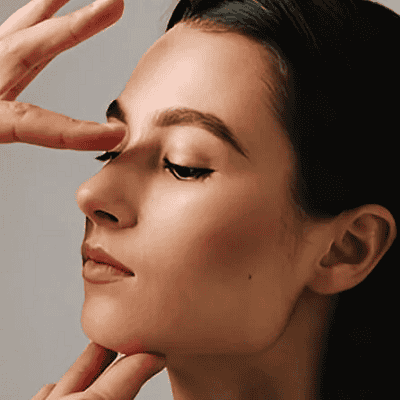
What Is Rhinoplasty?
Rhinoplasty is a surgical procedure that modifies the structure of the nose. It can correct deformities, improve facial symmetry, and enhance breathing. Patients may seek rhinoplasty for cosmetic reasons, such as refining the shape of the nose, or for functional reasons, like correcting a deviated septum. The procedure involves reshaping the bone, cartilage, and sometimes soft tissue to achieve the desired outcome.The type of rhinoplasty performed depends on the patient’s goals, nasal anatomy, and the surgeon’s expertise. Being informed about the different options helps individuals make confident, realistic decisions.
Open vs. Closed Rhinoplasty
One of the primary distinctions in rhinoplasty is the surgical approach: open or closed.
Open Rhinoplasty
Open rhinoplasty involves a small incision on the columella, the tissue between the nostrils, allowing the surgeon to lift the skin and access the underlying structures directly. This approach provides excellent visibility and control, making it ideal for complex reshaping or major structural changes. Patients opting for open rhinoplasty may experience slightly longer recovery due to swelling, but the results can be highly precise.
Closed Rhinoplasty
Closed rhinoplasty, also known as endonasal rhinoplasty, involves incisions inside the nostrils, leaving no visible external scars. This approach is generally recommended for minor adjustments, such as refining the nasal tip or reducing small bumps. Recovery is often quicker and less noticeable, but it offers limited access compared to the open technique, making it less suitable for major reconstructive procedures.
Cosmetic Rhinoplasty
Cosmetic rhinoplasty focuses primarily on improving the appearance of the nose. Patients may seek changes to:
- Reduce the size of the nose
- Refine the tip or bridge
- Correct asymmetry
- Smooth bumps or humps on the nasal bridge
Cosmetic rhinoplasty is highly individualized, and surgeons work closely with patients to achieve natural-looking results that harmonize with other facial features. Even subtle adjustments can significantly enhance overall facial aesthetics.
Functional Rhinoplasty
Functional rhinoplasty is performed to correct structural issues that affect breathing. Common concerns include:
- Deviated septum
- Nasal valve collapse
- Congenital abnormalities
- Post-traumatic deformities
Patients who undergo functional rhinoplasty not only improve their appearance but also experience enhanced nasal airflow, reduced snoring, and relief from chronic nasal congestion. In many cases, functional and cosmetic rhinoplasty are combined for comprehensive results.
Revision Rhinoplasty
Revision, or secondary rhinoplasty, is performed when a patient is dissatisfied with a previous nose surgery or experiences complications such as asymmetry, scarring, or breathing difficulties. This type of rhinoplasty is more complex, as it involves working with previously altered tissues and may require grafting to restore structure. Patients considering revision rhinoplasty should have realistic expectations and choose surgeons experienced in corrective procedures.
Ethnic Rhinoplasty
Ethnic rhinoplasty is a specialized approach that respects the unique anatomical features of different ethnicities while enhancing the nose’s appearance and function. The goal is to refine the nose without compromising cultural or facial identity. For example, adjustments may be made to the nasal tip, bridge, or nostrils while preserving natural ethnic characteristics.
Non-Surgical Rhinoplasty
Non-surgical rhinoplasty is a minimally invasive alternative that uses dermal fillers to alter the shape of the nose temporarily. While it cannot reduce the size of the nose or correct breathing issues, it can smooth bumps, enhance symmetry, and improve contour. This option is appealing for individuals seeking subtle, immediate results without surgery, but the effects are temporary and typically last 6–18 months.
Choosing the Best Rhinoplasty Surgery in Muscat
Selecting the best rhinoplasty surgery in Muscat requires careful consideration. Patients should assess their goals, consult with qualified surgeons, and understand the risks and recovery process. Key factors to consider include:
- The complexity of the desired changes
- Whether functional issues need correction
- The surgeon’s experience with specific rhinoplasty types
- Realistic expectations for results
Proper planning, pre-operative evaluation, and personalized care are crucial to achieving safe and satisfying outcomes.
Recovery and Aftercare
Recovery from rhinoplasty varies depending on the type of procedure and the patient’s individual healing process. General guidelines include:
- Expect swelling and bruising for the first 1–2 weeks
- Avoid strenuous activities for several weeks
- Sleep with the head elevated to reduce swelling
- Follow all post-operative instructions, including medication and nasal care
- Attend all follow-up appointments to monitor healing
A successful recovery enhances the longevity of the results and minimizes complications.
FAQs About Rhinoplasty Surgery in Muscat
1. How long does it take to see final results after rhinoplasty?
Swelling can last several months, but most patients notice significant improvement within 4–6 weeks. Full refinement may take up to a year.
2. Is rhinoplasty painful?
Most patients experience mild to moderate discomfort, which is managed with prescribed pain medication and cold compresses.
3. Can rhinoplasty correct breathing problems?
Yes. Functional rhinoplasty addresses structural issues like a deviated septum or nasal valve collapse to improve airflow.
4. Are non-surgical rhinoplasty results permanent?
No. Non-surgical rhinoplasty uses temporary fillers that typically last 6–18 months, requiring maintenance treatments.
5. Will there be visible scars after surgery?
Open rhinoplasty leaves a small scar on the columella, which usually fades over time. Closed rhinoplasty leaves no external scars.
6. Who is a good candidate for rhinoplasty?
Good candidates are individuals in overall good health, with realistic expectations, and seeking either aesthetic improvement, functional correction, or both.
Conclusion
Rhinoplasty is a versatile procedure that offers a range of options tailored to individual needs, from cosmetic enhancement to functional improvement. Understanding the different types—open, closed, cosmetic, functional, revision, ethnic, and non-surgical—helps patients make informed choices about the best rhinoplasty surgery in Muscat.With proper planning, expert guidance, and careful recovery, rhinoplasty can provide natural-looking results, enhanced facial harmony, and improved nasal function. Being informed about these options empowers patients to achieve outcomes that boost confidence, comfort, and overall well-being.
