Tummy Tuck and C-Section: What’s the Difference?
Many women experience changes to their abdominal area after pregnancy or weight fluctuations, often prompting them to explore cosmetic or medical procedures to restore their body shape. Two commonly discussed procedures are tummy tuck surgery and cesarean section (C-section) deliveries. While both involve incisions in the lower abdomen, they are very different in purpose, procedure, and recovery. Understanding these differences is crucial for anyone considering abdominal surgery, particularly those searching for the Best Tummy Tuck in Muscat.
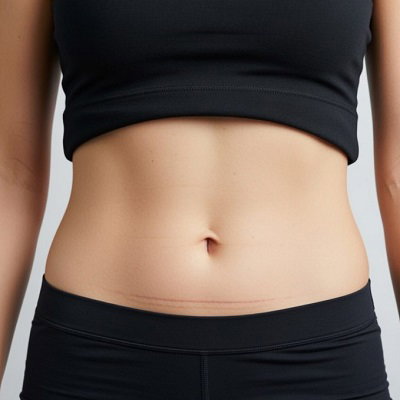
Understanding Tummy Tuck Surgery
A tummy tuck, also known as abdominoplasty, is a cosmetic surgical procedure designed to remove excess skin and fat from the abdomen and tighten the underlying muscles. It is typically sought by individuals who:
- Have loose or sagging skin after pregnancy or significant weight loss
- Struggle with stubborn abdominal fat despite diet and exercise
- Want to improve the contour and appearance of their midsection
During a tummy tuck, the surgeon makes a horizontal incision across the lower abdomen, usually just above the pubic area, and in some cases, a second incision around the navel. Excess skin is removed, abdominal muscles may be tightened, and the remaining skin is repositioned for a smoother, firmer appearance.
Understanding C-Section Surgery
A cesarean section (C-section) is a medical procedure used to deliver a baby when a vaginal birth is not safe for the mother or child. Like a tummy tuck, a C-section involves a horizontal incision in the lower abdomen, often just above the pubic line. However, the purpose, technique, and outcomes are very different:
- The goal is to safely deliver a baby, not to improve abdominal appearance
- The incision is generally smaller and less extensive than a full tummy tuck
- Muscle repair is minimal, focusing only on accessing the uterus for delivery
C-sections are life-saving procedures in certain pregnancies, but they do not typically address loose skin, abdominal muscle separation, or cosmetic concerns.
Key Differences Between a Tummy Tuck and a C-Section
1. Purpose of the Procedure
The primary distinction lies in the intent:
- Tummy tuck: Cosmetic enhancement, skin tightening, fat removal, and muscle repair
- C-section: Medical necessity for childbirth, focusing on safe delivery
2. Incision Placement and Size
While both procedures involve lower abdominal incisions, the extent differs:
- Tummy tuck: Often larger, extending hip to hip, to remove excess skin and reposition the navel
- C-section: Typically smaller and more limited, just enough to access the uterus for delivery
3. Recovery Process
Recovery timelines vary significantly:
- Tummy tuck: Recovery can take several weeks, requiring limited activity, careful sleep positions, and compression garments
- C-section: Recovery is generally quicker for cosmetic purposes but still requires activity restrictions and careful incision care
4. Muscle Repair
- Tummy tuck: Surgeons tighten separated or weakened abdominal muscles, improving core strength and contour
- C-section: The abdominal muscles are not significantly altered; the focus is on safely accessing the uterus
5. Scar Appearance
- Tummy tuck: Scars are longer but can be strategically hidden under clothing or swimwear
- C-section: Scars are shorter but remain primarily for functional purposes
Understanding these distinctions helps patients set realistic expectations and avoid confusion between cosmetic and medical abdominal procedures.
Can a Tummy Tuck Be Performed After a C-Section?
Many women who have had C-sections seek a tummy tuck later to address loose skin, stretch marks, or weakened abdominal muscles. The good news is that previous C-section scars generally do not prevent a tummy tuck. In fact, surgeons can often incorporate the old scar into the tummy tuck incision, minimizing visible marks and improving overall abdominal contour.Patients considering this option should ensure their body has fully healed from childbirth, typically waiting 6–12 months after delivery, before undergoing a tummy tuck. This timing allows the body to stabilize in terms of weight and abdominal changes.
Preparing for the Best Tummy Tuck in Muscat
For individuals interested in the best tummy tuck in Muscat, preparation is key. Important considerations include:
- Medical evaluation: A thorough health assessment ensures safety during surgery
- Realistic expectations: Understanding the cosmetic goals and limitations of the procedure
- Lifestyle adjustments: Maintaining a stable weight and healthy diet before surgery enhances results
- Post-surgery planning: Arranging support for daily tasks, sleep positioning, and recovery care
By taking these steps, patients can maximize the aesthetic and functional benefits of a tummy tuck.
Post-Operative Care and Recovery Tips
Recovery after a tummy tuck requires careful attention to incision care, movement, and lifestyle:
- Sleeping positions: Slightly elevated or reclined positions with pillow support reduce strain on the abdomen
- Activity restrictions: Avoid heavy lifting and strenuous exercise for at least 4–6 weeks
- Compression garments: These help reduce swelling and support the healing tissues
- Hydration and nutrition: Proper diet supports tissue repair and overall recovery
- Scar care: Following recommended scar treatments ensures better cosmetic outcomes
Patients who have had a C-section may relate to some of these recovery practices but should note that the intensity and duration of care are generally greater for a tummy tuck.
Frequently Asked Questions (FAQs)
1. Can a tummy tuck remove C-section scars?
Yes, a tummy tuck can incorporate or minimize the appearance of existing C-section scars, often positioning them in a way that is less noticeable.
2. How long should I wait after a C-section to get a tummy tuck?
It is generally recommended to wait 6–12 months post-delivery to allow the body to heal and weight to stabilize.
3. Does a C-section make a tummy tuck more complicated?
Previous C-sections may affect scar tissue but generally do not prevent a tummy tuck. Surgeons can often work with existing scars for optimal results.
4. Can a tummy tuck improve abdominal muscle separation after pregnancy?
Yes, one of the primary benefits of a tummy tuck is repairing separated abdominal muscles, known as diastasis recti.
5. Is recovery from a tummy tuck more painful than a C-section?
Recovery can be more intensive due to the extent of tissue removal and muscle repair, but pain levels vary per individual and can be managed with prescribed care.
6. Will a tummy tuck prevent future pregnancies from affecting results?
Future pregnancies can stretch abdominal tissues again, potentially compromising results. Many surgeons recommend completing family planning before undergoing a tummy tuck.
Conclusion
While tummy tucks and C-sections may seem similar due to the location of incisions, their purposes, procedures, and outcomes are vastly different. Understanding these differences is essential for anyone exploring abdominal surgery or cosmetic improvement. For women in Muscat seeking the best tummy tuck, knowing how a tummy tuck differs from a C-section, preparing properly, and following post-operative care guidelines ensures the safest and most satisfying results.Whether enhancing body contour after pregnancy or addressing post-weight-loss abdominal changes, a tummy tuck offers transformative benefits that are distinct from the medical necessity of a C-section, providing both aesthetic and functional improvements for long-term satisfaction.
