Tummy Tuck Swelling: Timeline and Tips
A Tummy Tuck in Muscat has become an increasingly popular cosmetic procedure for those seeking a flatter, firmer abdomen. While the results can be transformative, many patients are concerned about post-surgery swelling. Swelling is a natural part of the healing process and can vary in intensity depending on the extent of the procedure, individual health, and post-operative care. Understanding what to expect, when swelling should subside, and effective strategies for managing it can make the recovery process smoother and less stressful.This guide provides a detailed look at tummy tuck swelling, its timeline, and practical tips for recovery.
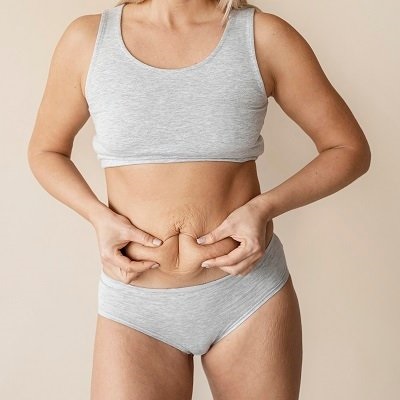
Why Swelling Occurs After a Tummy Tuck
Swelling, also known as edema, is the body’s natural response to surgery. During a tummy tuck, the surgeon removes excess skin and fat and tightens the abdominal muscles. This creates trauma to tissues, blood vessels, and lymphatic channels. The body reacts by sending fluid to the area, which helps with healing but also leads to noticeable swelling.Factors that can influence swelling include:
- The type of tummy tuck performed (full vs. mini)
- Extent of tissue manipulation
- Individual health conditions, such as obesity or poor circulation
- Post-operative activity levels
- Adherence to aftercare instructions
Understanding these factors helps patients set realistic expectations and reduces anxiety during recovery.
Typical Swelling Timeline
Swelling does not disappear overnight. The recovery process can be divided into several stages:
1. First Week
In the first few days after surgery, swelling is at its peak. The abdomen may feel tight, firm, and slightly uncomfortable. Bruising is also common during this period. Patients are often advised to wear compression garments to help reduce fluid accumulation and support healing.
2. Weeks 2–3
During this period, swelling typically begins to decrease gradually. The abdomen may still appear puffy, especially around the lower belly and incision sites. Mild discomfort may persist, but most patients start to feel more mobile and can perform light daily activities.
3. Weeks 4–6
Swelling continues to subside significantly. Clothes may fit more comfortably, and the initial results of the tummy tuck become more visible. Some residual swelling may remain, especially after standing for long periods or engaging in physical activity.
4. Weeks 6–12
By the third month, most swelling has resolved. The final contour of the abdomen starts to emerge, though minor fluid retention may persist for up to six months in some cases. Scars also begin to mature during this stage, gradually fading over time.
5. Beyond Three Months
Most patients see their final results within six months, with the abdomen appearing flatter and firmer. Persistent swelling beyond this point may indicate complications and should be evaluated by a medical professional.
Tips to Manage Swelling Effectively
Proper care can help minimize swelling and speed up recovery. Here are several practical strategies:
1. Wear Compression Garments
Compression garments help control swelling by applying gentle pressure to the abdominal area. They also support healing tissues and improve circulation, which reduces fluid buildup. Most patients wear these garments for at least 4–6 weeks after surgery.
2. Stay Hydrated
Drinking enough water helps flush excess fluids from the body, reducing swelling. Proper hydration also supports overall healing and energy levels.
3. Maintain a Healthy Diet
Consuming a balanced diet rich in lean proteins, fruits, and vegetables promotes tissue repair and reduces inflammation. Limiting salt intake can also help prevent fluid retention, which contributes to swelling.
4. Gentle Movement
Light walking encourages blood flow and reduces the risk of blood clots, which can worsen swelling. Avoid strenuous exercise or heavy lifting until cleared by a healthcare professional.
5. Elevate When Possible
Keeping the upper body slightly elevated while resting or sleeping can help reduce fluid accumulation in the abdomen.
6. Follow Post-Operative Instructions
Adhering to all instructions provided by the surgical team, including wound care and activity limitations, is crucial for minimizing swelling and ensuring optimal results.
When to Be Concerned About Swelling
While some swelling is normal, there are signs that may indicate a problem:
- Sudden or worsening swelling after initial improvement
- Severe pain, redness, or warmth around the surgical site
- Unusual discharge or foul odor from incisions
- Fever or other signs of infection
If any of these occur, it’s important to seek professional advice immediately. Early intervention can prevent complications and protect the surgical outcome.
Full vs. Mini Tummy Tuck: Swelling Considerations
The extent of swelling can vary depending on whether a full or mini tummy tuck is performed:
- Full Tummy Tuck: Typically results in more swelling because the procedure is more extensive, involving both the upper and lower abdomen and often muscle repair. Recovery may take longer, and compression garments are crucial for several weeks.
- Mini Tummy Tuck: Usually results in less swelling since the procedure targets only the lower abdomen. Recovery is often quicker, though proper care is still essential.
Understanding these differences helps patients set realistic expectations and plan their recovery accordingly.
FAQs About Tummy Tuck Swelling
1. How long does swelling last after a tummy tuck in Muscat?
Swelling is most significant in the first week and gradually decreases over 6–12 weeks, with final results visible around six months.
2. Can swelling be completely prevented?
While it cannot be entirely avoided, following post-operative care instructions, wearing compression garments, and maintaining a healthy lifestyle can significantly reduce swelling.
3. Is it normal for one side of the abdomen to be more swollen?
Yes, slight asymmetry is common in the first few weeks. Swelling usually evens out as healing progresses.
4. Can massage help with swelling?
Lymphatic drainage massage may help reduce swelling, but it should only be performed under professional guidance after clearance from the surgeon.
5. Does swelling affect tummy tuck results?
Swelling is a normal part of healing and generally does not impact the final results. However, persistent or unusual swelling should be evaluated by a medical professional.
6. When can I resume exercise after surgery?
Light walking is encouraged early, but strenuous activities and abdominal workouts should typically be avoided for 4–6 weeks, depending on the type of tummy tuck.
Conclusion
Swelling is a normal and expected part of recovery after a tummy tuck in Muscat. Understanding the typical timeline, implementing strategies to reduce swelling, and monitoring for any concerning signs are essential for a smooth recovery and achieving the best results.By following post-operative guidelines, wearing compression garments, staying hydrated, and incorporating gentle movement, patients can manage swelling effectively. Whether opting for a full or mini tummy tuck, being informed and proactive during the recovery process ensures a safer experience and a more satisfying transformation.With patience and proper care, swelling gradually subsides, revealing a flatter, firmer, and more contoured abdomen that can boost confidence and enhance overall quality of life.
