Understanding Glucose Response After Ozempic Injection
Ozempic injections have become widely recognized in modern metabolic care for their role in helping regulate blood sugar levels, particularly in adults managing type 2 diabetes. The active ingredient, semaglutide, belongs to a class of medications known as GLP-1 receptor agonists, which work with the body’s natural systems to improve glucose control.Understanding how glucose responds after an Ozempic injection is important for anyone using the medication or considering it as part of a treatment plan. The effects are not immediate like insulin, but gradual and sustained, which makes its action unique and valuable in long-term metabolic management.This article explores how Ozempic influences glucose levels, what users can expect after injections, and the key factors that shape blood sugar response over time.
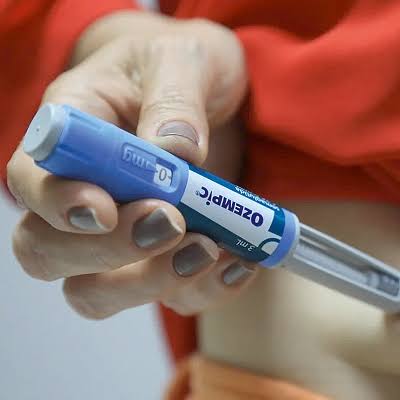
What is Ozempic Injection and How It Works in the Body
Ozempic (semaglutide) is an injectable medication designed to help regulate blood sugar levels in individuals with type 2 diabetes. It mimics a naturally occurring hormone called GLP-1 (glucagon-like peptide-1), which plays a key role in glucose metabolism.When food is consumed, GLP-1 helps the body by:
- Stimulating insulin release when blood sugar is high
- Reducing glucagon secretion (a hormone that raises blood sugar)
- Slowing down gastric emptying, which reduces the speed of sugar absorption
- Promoting satiety, helping reduce overall calorie intake
Unlike fast-acting insulin, Ozempic does not directly force glucose into cells. Instead, it enhances the body’s own regulatory mechanisms. This means glucose control improves gradually, especially after consistent weekly use.Because of its long-acting nature, Ozempic remains active in the body for several days, providing steady metabolic support rather than sharp fluctuations.
How Ozempic Influences Glucose Response After Injection
After an Ozempic injection, the body does not experience an immediate drop in blood sugar. Instead, glucose response improves progressively over time as semaglutide builds up in the system.One of the key effects is improved insulin sensitivity during meals. When food is eaten, the pancreas responds more efficiently, releasing insulin only when needed. At the same time, the liver reduces excess glucose production, especially during fasting states.Another important effect is the reduction of post-meal glucose spikes. By slowing gastric emptying, Ozempic ensures that carbohydrates enter the bloodstream more gradually. This prevents sudden surges in blood sugar that are often challenging to control in diabetes management.Over time, many individuals notice:
- Lower fasting glucose levels
- Reduced post-meal spikes
- More stable daily glucose patterns
- Improved HbA1c readings (a long-term glucose marker)
The response varies from person to person, but consistency in weekly injections plays a major role in achieving stable results.
Timeline of Blood Sugar Changes After Ozempic Use
The glucose response after starting Ozempic is gradual and evolves over several weeks. It is not a medication that delivers instant stabilization, and understanding its timeline helps set realistic expectations.In the first few days after the initial injection, the body begins absorbing semaglutide, but noticeable glucose changes may be minimal. Some individuals may observe mild improvements in appetite or early satiety before blood sugar changes become evident.Within the first 2 to 4 weeks, early metabolic adjustments begin. Post-meal glucose spikes may become less severe, and fasting levels may start showing slight improvement. However, full therapeutic effects are still developing.By 8 to 12 weeks, more consistent glucose control is typically observed. The body adapts better to insulin signaling, and blood sugar fluctuations tend to reduce significantly. This period is often when measurable improvements in HbA1c become more noticeable.With long-term use, Ozempic helps maintain stable glucose regulation as part of a broader lifestyle and dietary management plan.
Factors That Influence Glucose Response After Injection
The way the body responds to Ozempic injections is influenced by several individual and lifestyle-related factors. While the medication provides a strong physiological effect, results are not identical for everyone.Diet plays a major role. Meals high in refined carbohydrates or sugars may still cause temporary spikes, although these are often less severe compared to before treatment. A balanced diet enhances the medication’s effectiveness.Physical activity also contributes significantly. Regular movement improves insulin sensitivity and helps muscles utilize glucose more efficiently, amplifying Ozempic’s effects.Other factors include:
- Baseline metabolic health before starting treatment
- Dosage and duration of use
- Consistency in weekly injections
- Individual insulin resistance levels
- Stress and sleep quality
Even hydration levels and hormonal balance can subtly affect glucose response patterns. This is why Ozempic is most effective when combined with overall lifestyle support rather than used in isolation.
Benefits Beyond Blood Sugar Control
Although Ozempic is primarily used for glucose regulation, its effects extend beyond blood sugar management. Many individuals experience additional metabolic and lifestyle benefits that contribute to overall well-being.One of the most commonly reported effects is weight reduction. By slowing gastric emptying and increasing feelings of fullness, Ozempic helps reduce overall calorie intake. This can indirectly improve insulin sensitivity and further stabilize glucose levels.Other benefits may include:
- Reduced appetite and cravings
- Improved energy stability throughout the day
- Lower risk of glucose spikes after meals
- Better long-term metabolic markers
These combined effects make Ozempic a comprehensive option for managing type 2 diabetes and associated metabolic challenges.
Possible Side Effects and What to Expect
Like all medications, Ozempic may cause side effects, especially during the early stages of use as the body adjusts. These effects are generally related to its impact on digestion and appetite regulation.Some commonly reported side effects include:
- Nausea, especially after initial doses
- Mild digestive discomfort or bloating
- Reduced appetite
- Occasional fatigue
- Mild constipation or changes in bowel habits
These symptoms often lessen over time as the body adapts to the medication. Eating smaller meals and avoiding heavy or greasy foods can help reduce discomfort during the adjustment phase.In rare cases, more serious effects may occur, and medical guidance is important if unusual or persistent symptoms develop. However, most individuals tolerate the medication well after the initial adaptation period.
Tips to Improve Glucose Response While Using Ozempic
To maximize the benefits of Ozempic injections, certain lifestyle strategies can support better glucose control and overall metabolic health.A balanced diet rich in fiber, lean proteins, and healthy fats can help stabilize blood sugar levels and reduce post-meal spikes. Avoiding excessive refined sugar intake further enhances the medication’s effectiveness.Regular physical activity, such as walking or light strength training, improves insulin sensitivity and helps the body utilize glucose more efficiently.Other helpful strategies include:
- Maintaining consistent meal timing
- Staying hydrated throughout the day
- Prioritizing quality sleep
- Managing stress through relaxation techniques
- Monitoring blood sugar levels regularly if advised
These supportive habits work alongside Ozempic to create a more stable and predictable glucose response.
Frequently Asked Questions
1. How quickly does Ozempic start affecting blood sugar levels?
Ozempic begins working in the body after the first injection, but noticeable improvements in blood sugar typically develop gradually over several weeks rather than immediately.
2. Does Ozempic cause low blood sugar (hypoglycemia)?
On its own, Ozempic has a low risk of causing hypoglycemia. However, the risk may increase if it is combined with other diabetes medications that lower blood sugar.
3. Why is blood sugar still high after starting Ozempic?
It may take several weeks for the full effect of Ozempic to develop. Diet, lifestyle, dosage, and individual insulin resistance also influence glucose response.
4. Can Ozempic replace insulin for glucose control?
Ozempic is not a direct replacement for insulin. It works differently by enhancing the body’s natural insulin response rather than substituting insulin itself.
5. Does Ozempic affect fasting blood sugar levels?
Yes, over time Ozempic can help reduce fasting blood sugar levels by decreasing liver glucose production and improving overall insulin regulation.
6. What should be done if glucose response is not improving?
If expected improvements are not seen, it is important to review diet, lifestyle habits, and treatment adherence. Medical evaluation may be needed to adjust the treatment approach.
Read More About Ozempic Injection: https://666972af349f3.site123.me/blog/learning-proper-injection-sites-for-ozempic-injection
