Weight Loss Injections: What Does the Treatment Process Involve?
For people struggling with excess weight, losing weight is not always as simple as eating less and exercising more. Weight can be influenced by appetite, hormones, metabolism, genetics, sleep, lifestyle, medications, and underlying health conditions. As a result, some people may need additional medical support to achieve and maintain meaningful weight loss.One treatment option that has gained considerable attention is weight loss injections. These prescription medications can help eligible individuals manage appetite, reduce food intake, and support long-term weight management when combined with healthy lifestyle changes.Interest in Weight Loss Injections in Oman has also grown as awareness of medical approaches to obesity management increases. Oman’s Ministry of Health reported in its 2025 National Survey on Noncommunicable Diseases that more than 60% of adults were overweight or obese, while more than 25% were classified as obese.But what actually happens when someone starts weight loss injections? How are candidates assessed, how does treatment progress, and what should a person expect along the way? Understanding the treatment process can help individuals approach these medications with realistic expectations and appropriate medical guidance.
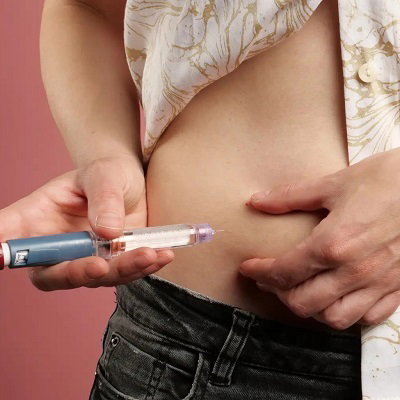
What Are Weight Loss Injections and How Do They Work?
Weight loss injections are prescription medicines used as part of a broader weight-management plan. Several commonly discussed injectable treatments belong to medication groups that influence hormones involved in appetite, blood sugar regulation, digestion, and feelings of fullness.Some treatments act on the GLP-1 pathway, while others, such as tirzepatide, act on both GIP and GLP-1 pathways. These hormones are naturally involved in regulating appetite and food intake. By affecting these pathways, certain medications can help a person feel fuller for longer and reduce overall food intake.For example, the U.S. Food and Drug Administration has approved certain injectable medicines containing semaglutide, liraglutide, or tirzepatide for specific weight-management indications. Eligibility depends on factors such as body mass index, weight-related health conditions, age, medical history, and the specific medication being considered.It is important to understand that these injections are not simply cosmetic treatments. They are medical therapies that require appropriate assessment and follow-up. The medication selected, dose, duration, and monitoring plan can differ considerably from one person to another.
Who May Be a Candidate for Weight Loss Injections?
Weight loss injections are not automatically appropriate for everyone who wants to lose a few kilograms. A healthcare professional generally evaluates the person's overall health and weight-related risks before considering prescription medication.Assessment may include measurements such as weight, height, BMI, waist circumference, blood pressure, and other relevant health indicators. Medical history can also be important, particularly if the person has diabetes, high blood pressure, high cholesterol, cardiovascular disease, gastrointestinal problems, or other chronic conditions.The person's current medications and previous attempts at weight management may also be reviewed. In some cases, laboratory tests may be recommended depending on the individual's circumstances.For certain prescription weight-management medications, treatment may be considered for adults with obesity or for people who are overweight and have at least one weight-related health condition. However, eligibility requirements vary according to the medicine and applicable local prescribing regulations.This is particularly important for people researching Weight Loss Injections in Oman, because medication availability, approved indications, prescribing requirements, and product labeling can vary between countries. A locally licensed healthcare professional should therefore confirm whether a particular treatment is suitable and legally available.
What Happens During the Initial Consultation?
The first stage of the treatment process is usually an assessment rather than an injection.During an initial consultation, the healthcare professional may discuss the person's weight history, eating patterns, physical activity, sleep, previous weight-loss efforts, medical conditions, and medications. The purpose is to understand why weight gain or difficulty losing weight may be occurring and whether medication could form part of an appropriate treatment plan.The person's goals are also important. A sustainable weight-management plan focuses not only on the number on the scale but also on health, physical function, metabolic risk, and long-term habits.Depending on the person's medical history, additional investigations may be recommended. For example, blood glucose, cholesterol, liver function, kidney function, or other tests may be considered when clinically appropriate.The healthcare professional will also explain the expected benefits, possible side effects, injection schedule, dose adjustments, and follow-up requirements. This consultation provides an opportunity to discuss questions and make sure the person understands how the treatment works.
How Does the Injection Treatment Process Work?
Once a suitable medication has been selected, treatment generally begins with a lower dose for medicines that require gradual dose escalation. The purpose of starting at a lower dose is often to help the body adjust and may improve tolerability.Many commonly used weight-management injections are administered subcutaneously, meaning the medicine is injected into the fatty tissue beneath the skin. Depending on the specific product, injections may be given once daily or once weekly.For example, the current U.S. prescribing information for injectable semaglutide used for weight management describes once-weekly administration with gradual dose escalation.Tirzepatide is also administered once weekly for its approved chronic weight-management indication in the United States, with dose escalation used to reach an appropriate maintenance dose.The exact schedule should never be copied from another person's treatment plan. Dosage decisions are individualized and depend on the medicine prescribed, response to treatment, tolerability, and medical circumstances.A person may receive instructions on how to administer the injection at home if the prescribed product is designed for self-administration. Proper storage, injection technique, needle disposal, and missed-dose instructions should be understood before treatment begins.
What Can Someone Expect During the First Few Weeks?
The first few weeks are generally an adjustment period. Some people notice reduced appetite relatively early, while others may experience more gradual changes.Common digestive effects can include nausea, vomiting, diarrhea, constipation, abdominal discomfort, or a feeling of fullness. These effects can vary considerably between individuals and may change as the body adjusts to treatment.Because appetite may decrease, maintaining adequate nutrition and hydration becomes important. A weight-management plan should still provide sufficient protein, fiber, vitamins, minerals, and fluids rather than simply focusing on eating as little as possible.Regular follow-up is valuable during this stage. A healthcare professional may assess weight changes, appetite, side effects, blood glucose where relevant, and general wellbeing. If side effects are troublesome, the treatment plan may need adjustment.Patients should also understand that weight loss does not necessarily occur at the same rate every week. Temporary plateaus or fluctuations can occur because of changes in fluid levels, digestion, activity, dietary intake, and other factors.
Why Lifestyle Changes Still Matter During Treatment
Weight loss injections are generally most useful when they are incorporated into a comprehensive weight-management strategy rather than treated as a stand-alone solution.A balanced eating pattern can support adequate nutrition while helping manage overall calorie intake. Regular physical activity can help preserve muscle mass, improve cardiovascular fitness, and support metabolic health.Strength training may be particularly useful during weight loss because maintaining muscle becomes an important consideration when body weight decreases. Walking, swimming, cycling, resistance exercises, or other enjoyable activities can also contribute to an active lifestyle.Sleep and stress management should not be overlooked. Poor sleep and chronic stress can influence appetite, eating behavior, energy levels, and adherence to healthy habits.The U.S. FDA describes prescription weight-management medicines as treatments used alongside lifestyle measures such as reduced-calorie eating and increased physical activity.This means the injection is better viewed as one component of a longer-term health plan.
Monitoring, Side Effects, and Safety Considerations
Regular monitoring is an important part of treatment with weight loss injections. Follow-up appointments allow healthcare professionals to determine whether the medication is producing meaningful benefits and whether side effects are manageable.Some side effects are relatively common, particularly gastrointestinal symptoms. However, serious or persistent symptoms should not be ignored. Anyone experiencing severe abdominal pain, persistent vomiting, signs of dehydration, allergic reactions, or other concerning symptoms should seek appropriate medical attention.People should also inform their healthcare professional about all prescription medicines, over-the-counter products, and supplements they use. This is particularly important for individuals taking medicines that affect blood glucose or other chronic conditions.Another important safety issue involves purchasing injectable weight-loss medicines from unverified sources. Regulatory authorities have warned about risks associated with unapproved or fraudulent versions of GLP-1 medicines, including incorrect labeling and dosing problems.For people considering Weight Loss Injections in Oman, medicines should therefore be obtained through legitimate healthcare and pharmacy channels and used according to professional instructions.
How Long Does Weight Loss Injection Treatment Take?
There is no single treatment timeline that applies to everyone.Some individuals may continue medication for an extended period if it remains beneficial and appropriate. The duration can depend on the person's health, treatment response, side effects, weight-management goals, and the specific medicine being used.Weight management is often considered a long-term process rather than a short course. Stopping medication may result in appetite returning or weight being regained for some people, particularly if supportive lifestyle habits have not been established.This is why treatment planning should include a discussion about long-term management from the beginning. The goal is not simply to achieve a temporary reduction on the scale but to develop sustainable habits and reduce health risks associated with excess weight.NIDDK notes that some prescription weight-management medications can be continued as long as a person is benefiting from treatment and not experiencing serious side effects, although the appropriate duration must be determined with a healthcare professional.
What Should People Consider Before Choosing Weight Loss Injections in Oman?
Anyone considering Weight Loss Injections in Oman should look beyond advertisements or promises of rapid weight loss. A medically appropriate treatment involves assessment, prescription, monitoring, and ongoing lifestyle support.Several questions can help a person prepare for a consultation:
- Is the medication approved and appropriate for the individual's situation?
- What benefits and risks are associated with the treatment?
- How frequently does the injection need to be taken?
- What side effects should be expected?
- How will progress be monitored?
- What happens if the medication is not tolerated?
- How will nutrition and physical activity be incorporated into the plan?
- What should happen if a dose is missed?
Oman's Ministry of Health has previously highlighted medical management of obesity as part of its national efforts to address obesity and noncommunicable diseases, including the development of clinical practice guidance.The country's most recent national survey also demonstrates why evidence-based weight management remains an important health topic.Ultimately, weight loss injections should be approached as a medical treatment rather than a quick cosmetic shortcut. With proper assessment and follow-up, eligible individuals may use them as part of a structured approach to improving weight and overall health.
FAQs
1. Are weight loss injections suitable for everyone?
No. Weight loss injections are prescription treatments and are not suitable for everyone. Eligibility can depend on BMI, existing health conditions, medications, medical history, age, and the specific medicine being considered. A healthcare professional should assess the individual before treatment begins.
2. How quickly do weight loss injections start working?
The response varies from person to person. Some individuals may notice reduced appetite relatively early, while measurable weight loss may develop progressively over several weeks or months. Treatment usually involves gradual dose adjustments rather than expecting immediate results.
3. Are weight loss injections painful?
Most injectable weight-management medicines are administered under the skin using a small needle. Some people experience little discomfort, while others may notice brief stinging, redness, or tenderness at the injection site. Proper injection technique can help minimize discomfort.
4. What are the common side effects of weight loss injections?
Digestive symptoms such as nausea, constipation, diarrhea, vomiting, abdominal discomfort, and reduced appetite can occur with some weight-management injections. The likelihood and severity vary according to the medicine and individual. Persistent or severe symptoms should be discussed with a healthcare professional.
5. Do weight loss injections replace diet and exercise?
No. They are generally intended to complement healthy lifestyle changes. A balanced diet, appropriate physical activity, adequate sleep, and long-term behavioral changes remain important parts of weight management. Prescription medication works as one component of a broader treatment strategy.
6. How can someone choose Weight Loss Injections in Oman safely?
The safest approach is to begin with a consultation with a qualified healthcare professional who can assess whether prescription treatment is appropriate. The medication should come through legitimate, regulated healthcare and pharmacy channels. Individuals should avoid unverified products or medicines purchased from questionable online sources, particularly because regulators have warned about fraudulent and unapproved GLP-1 products.
Read More About Weight Loss Injections:https://www.cqcinvestigations.co.uk/is-mounjaro-injection-safe-for-long-term-use/
