Weight Loss Treatment: What Are Your Best Options?
Weight management can be challenging, especially when diet and exercise alone do not produce the desired results. Busy lifestyles, changing metabolism, genetics, sleep patterns, stress, medications, and underlying health conditions can all influence body weight. For people who have struggled to achieve sustainable results, Weight Loss Treatment may offer additional support.Weight loss treatment is not a single solution that works equally well for everyone. Depending on an individual's health, weight-loss goals, medical history, lifestyle, and overall risk factors, treatment may involve lifestyle changes, prescription medication, behavioral support, medical procedures, or a combination of approaches.The most suitable option should always be selected with qualified healthcare guidance. The goal should not simply be to lose weight quickly but to develop a realistic and sustainable approach that supports better health over the long term.
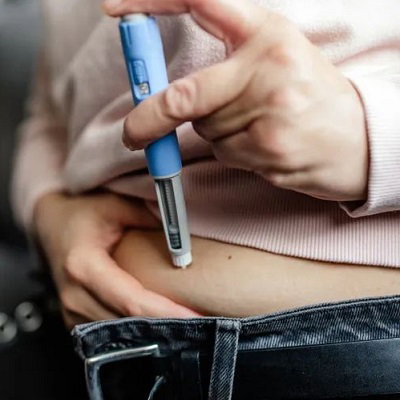
What Is Weight Loss Treatment?
Weight loss treatment refers to medically guided or structured approaches designed to help a person lose excess body weight and improve health-related outcomes. It can range from nutritional and lifestyle support to medications and, for some people, surgical procedures.A treatment plan usually begins with an assessment of the individual's current weight, body composition, eating habits, physical activity, medical history, medications, sleep, and other relevant factors. Body mass index (BMI) may be considered, although it is only one measure and does not provide a complete picture of an individual's health.The purpose of treatment can extend beyond appearance. Losing even a modest amount of excess weight may help improve certain health risks, mobility, energy levels, and quality of life.Importantly, weight loss treatment should be viewed as a long-term health strategy rather than a temporary diet. Sustainable progress generally depends on habits and treatment choices that a person can maintain over time.
Lifestyle Changes: The Foundation of Weight Management
For many people, lifestyle modification remains an important part of any weight loss plan. Even when medication or another medical treatment is recommended, healthy eating and regular physical activity can help support and maintain progress.A balanced eating pattern generally focuses on nutrient-dense foods such as vegetables, fruits, whole grains, lean sources of protein, legumes, and healthy fats. Portion awareness can also be useful without requiring extreme food restrictions.Physical activity is another important component. A suitable exercise routine may include walking, cycling, swimming, resistance training, or other activities that fit a person's abilities and preferences. Building activity gradually can make it easier to establish a consistent routine.Other lifestyle factors matter as well. Poor sleep and ongoing stress can affect appetite, food choices, and energy levels. Improving sleep habits and developing practical stress-management techniques may therefore complement dietary and exercise changes.However, lifestyle changes should not be interpreted as a test of willpower. Some people experience biological and medical factors that make significant weight loss particularly difficult. That is where additional treatment options may become appropriate.
Prescription Weight Loss Medication
For eligible individuals, prescription weight loss medication can be another option. These medicines work in different ways. Some can influence appetite and feelings of fullness, while others affect how the body processes nutrients or manages blood sugar.Prescription medications are generally considered alongside lifestyle changes rather than as a replacement for them. A healthcare professional may review factors such as BMI, existing health conditions, current medications, potential side effects, and previous weight-loss attempts before recommending a particular medicine.It is important to understand that these treatments are not suitable for everyone. They may have side effects, interactions, contraindications, or other considerations that require medical supervision.Weight may also change after medication is reduced or stopped. For that reason, treatment planning should include long-term weight management rather than focusing only on the period when medication is being used.People should also avoid purchasing weight-loss medicines from unverified sources or using medication prescribed for someone else. Safe treatment depends on receiving the appropriate medicine, dose, monitoring, and follow-up for the individual's circumstances.
Behavioral and Nutritional Support
Behavioral support can make weight loss treatment more practical and sustainable. Rather than concentrating solely on what someone should eat, behavioral approaches can help identify why certain eating patterns occur and how they can be changed.For example, a person may discover that late-night eating is connected to stress, irregular meals, boredom, or inadequate daytime nutrition. Addressing the underlying pattern can be more effective than simply trying to eliminate a particular food.Structured nutritional counseling may also help people understand portion sizes, meal planning, protein and fiber intake, hydration, and realistic calorie needs. A personalized approach can be especially useful because nutritional requirements vary from person to person.Tracking food intake, physical activity, sleep, or weight trends can sometimes help identify patterns. However, tracking should remain practical and should not become an unnecessary source of stress.Behavioral treatment is particularly valuable because maintaining weight loss often requires continued attention to habits after the initial weight-loss phase.
Medical Procedures and Bariatric Surgery
For people with severe obesity or significant weight-related health problems, medical procedures may be considered when other approaches have not provided sufficient results.Bariatric surgery is one of the established medical approaches for treating severe obesity. Common procedures alter the digestive system in ways that can reduce food intake, influence appetite-related signals, or change nutrient absorption.These procedures can result in substantial weight loss for appropriately selected patients and may improve certain obesity-related health conditions. However, surgery is a major medical decision and requires careful evaluation.Candidates may need to meet specific medical criteria and demonstrate an understanding of the lifestyle changes required after treatment. Follow-up care, nutritional monitoring, physical activity, and appropriate supplementation may become important parts of long-term management.Non-surgical medical procedures may also be available in some settings, depending on an individual's circumstances and local medical practice. Their suitability and effectiveness can vary, so they should be discussed with a qualified healthcare professional rather than treated as a universal solution.
How to Choose the Right Weight Loss Treatment
Choosing a weight loss treatment should begin with the individual's health rather than with a particular product, procedure, or trend.A healthcare professional may consider several factors, including:
- Current weight and overall health
- BMI and waist measurements where appropriate
- Existing conditions such as diabetes, high blood pressure, or sleep-related problems
- Previous attempts at weight loss
- Eating patterns and physical activity
- Current medications
- Sleep and stress
- Family and medical history
- Treatment goals and personal preferences
- Potential risks and side effects
The best treatment is often the one that is medically appropriate and realistic for the individual to continue.It is also useful to set realistic expectations. Healthy weight management is usually a gradual process, and progress can vary considerably from one person to another. A temporary plateau does not necessarily mean that treatment has failed.Anyone considering a significant weight-loss intervention should also ask about expected benefits, possible risks, required follow-up, long-term maintenance, and what happens if the initial approach does not work as expected.
How to Maintain Weight Loss After Treatment
Losing weight is only part of successful weight management. Maintaining the results can be equally important.A sustainable maintenance plan may include regular physical activity, balanced meals, adequate protein and fiber, consistent sleep, and periodic health checkups. People who use medication or undergo a medical procedure may also require ongoing clinical monitoring.It is normal for body weight to fluctuate. A small increase does not necessarily indicate failure. Recognizing changes early can make it easier to adjust eating habits, activity levels, or treatment with professional guidance.Long-term success also depends on avoiding an all-or-nothing mindset. A person does not need to eat perfectly or exercise every day to make meaningful progress. Consistency over months and years generally matters more than short periods of extreme restriction.Ultimately, effective weight management should support overall health, mobility, confidence, and quality of life rather than focusing exclusively on the number shown on a weighing scale.
Frequently Asked Questions About Weight Loss Treatment
1. What is the most effective weight loss treatment?
There is no single treatment that is considered best for everyone. The most appropriate option depends on factors such as a person's health, weight, medical history, lifestyle, goals, and previous treatment attempts. Some people may benefit primarily from lifestyle support, while others may be candidates for medication or a medical procedure.
2. Can weight loss treatment work without exercise?
Some treatments can produce weight loss without a person following an intensive exercise program. However, regular physical activity can provide important health benefits and may support long-term weight management. The appropriate level of exercise depends on a person's fitness, age, medical conditions, and physical abilities.
3. Are weight loss medications safe?
Approved prescription weight loss medications can be appropriate for certain individuals when used under professional medical supervision. However, every medication can have potential side effects, interactions, and contraindications. A qualified healthcare professional can determine whether a particular medication is suitable.
4. How quickly can someone lose weight with treatment?
The rate of weight loss varies significantly. It can depend on the treatment used, starting weight, diet, activity level, metabolism, medical conditions, and individual response. Sustainable weight loss is generally preferred over rapid weight reduction because maintaining healthy habits is an important part of long-term success.
5. Is weight loss treatment suitable for everyone?
No. Different treatments have different eligibility requirements and risks. Some medications and procedures may not be appropriate for people with certain medical conditions or circumstances. A proper health assessment is important before starting a medical weight-loss treatment.
6. What happens after weight loss treatment ends?
Weight management generally continues after the initial treatment phase. Depending on the treatment, a person may need ongoing lifestyle changes, follow-up appointments, nutritional support, medication management, or other strategies to maintain progress. A long-term maintenance plan can help reduce the likelihood of regaining lost weight.
Final Thoughts
Weight loss treatment has evolved beyond restrictive diets and short-term solutions. Today, individuals may have access to a range of evidence-based approaches, including lifestyle modification, nutritional and behavioral support, prescription medication, and medical procedures for those who meet appropriate criteria.The right approach depends on the individual. Rather than choosing a treatment based solely on speed or popularity, people can benefit from considering safety, effectiveness, sustainability, and long-term health.With appropriate professional guidance and realistic expectations, weight management can become a structured health goal rather than a cycle of temporary diets and disappointment.
Read More About Weight Loss Treatment: https://www.chiguu.com/discussions/ozempic-injection-and-tiredness-understanding-possible-causes
