What Are Botox Injections and How Do They Work?
Botox Injections have become one of the most widely recognized non-surgical cosmetic treatments in the world. Known for their ability to reduce the appearance of wrinkles and fine lines, these injections are also used for a variety of medical conditions. As more people seek minimally invasive treatments to maintain a youthful appearance and improve certain health concerns, Botox continues to grow in popularity.Despite its widespread use, many people still wonder what Botox actually is, how it works, and whether it is safe. Understanding the science behind Botox Injections can help individuals make informed decisions about whether this treatment is right for their needs.
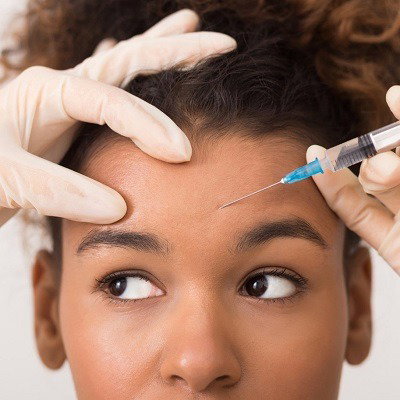
What Are Botox Injections?
Botox Injections are treatments that use a purified form of botulinum toxin type A, a substance produced by a specific bacterium. Although the word “toxin” may sound alarming, the product used in medical and cosmetic treatments is highly refined and administered in very small, controlled amounts.The primary purpose of Botox is to temporarily relax targeted muscles. By reducing muscle activity, it helps soften dynamic wrinkles—those caused by repeated facial expressions such as smiling, frowning, and squinting.Beyond cosmetic applications, Botox Injections are also approved for several medical conditions, including:
- Chronic migraines
- Excessive sweating (hyperhidrosis)
- Muscle spasms
- Overactive bladder
- Certain eye disorders
- Jaw tension and teeth grinding
Because of its versatility, Botox is used in both aesthetic and medical settings worldwide.
How Do Botox Injections Work?
To understand how Botox works, it helps to know how muscles move. Normally, nerves send chemical signals to muscles, telling them when to contract. These contractions create facial expressions and bodily movements.Botox works by temporarily blocking the release of a neurotransmitter called acetylcholine. Without this signal, the targeted muscle cannot contract as strongly as before.When the muscle relaxes:
- Existing wrinkles become less noticeable.
- The skin appears smoother.
- New expression lines may develop more slowly over time.
- Muscle-related medical symptoms can improve.
The effects are temporary because the body gradually restores communication between nerves and muscles. Most people begin to notice results within a few days, with full effects typically appearing within two weeks.
Common Cosmetic Uses of Botox Injections
Botox is most commonly associated with cosmetic treatments aimed at reducing facial wrinkles and achieving a refreshed appearance.Some of the most popular treatment areas include:
Forehead Lines
Repeated eyebrow movements can create horizontal lines across the forehead. Botox helps relax the underlying muscles, creating a smoother appearance.
Frown Lines
Also known as “11 lines,” these vertical lines appear between the eyebrows due to frequent frowning or concentration. Botox can soften these lines significantly.
Crow’s Feet
Fine lines around the outer corners of the eyes often develop from smiling and squinting. Botox helps minimize their visibility while maintaining natural facial expressions when administered appropriately.
Bunny Lines
These wrinkles appear on the sides of the nose when smiling or laughing. Botox can reduce their prominence.
Neck Bands
Some individuals choose Botox to relax vertical neck muscles that become more visible with age.The goal of modern Botox treatment is typically natural-looking enhancement rather than a frozen or expressionless appearance.
Medical Benefits of Botox Injections
While cosmetic applications receive significant attention, Botox has numerous medical uses that can improve quality of life.
Chronic Migraine Relief
For individuals suffering from chronic migraines, Botox may help reduce the frequency and severity of headaches. It works by interrupting pain-related signals and relaxing certain muscle groups.
Excessive Sweating Treatment
People with excessive sweating often experience discomfort and social anxiety. Botox can temporarily block the nerve signals responsible for activating sweat glands.
Muscle Spasm Management
Certain neurological conditions cause involuntary muscle contractions. Botox can help relax affected muscles and improve mobility.
Eye Conditions
Botox may be used to treat conditions such as eyelid spasms and crossed eyes by targeting specific muscles around the eyes.
Jaw Clenching and Teeth Grinding
Many individuals suffer from jaw tension due to stress or nighttime grinding. Botox can reduce muscle activity in the jaw, relieving discomfort and minimizing strain.These medical applications demonstrate that Botox is much more than a cosmetic treatment.
What Happens During a Botox Procedure?
One reason Botox Injections remain popular is the simplicity of the procedure.The treatment process generally includes:
- Assessment of the treatment area.
- Identification of targeted muscles.
- Administration of small injections using a fine needle.
- Brief post-treatment instructions.
The procedure typically takes only a short amount of time and usually does not require anesthesia. Most people describe the sensation as a minor pinch or slight discomfort.Because there is minimal downtime, many individuals return to normal daily activities shortly after treatment.However, following aftercare recommendations is important for achieving the best results.
How Long Do Botox Results Last?
Botox results are temporary, which means maintenance treatments are typically required.Several factors influence how long results last, including:
- Treatment area
- Individual metabolism
- Muscle strength
- Dosage used
- Frequency of treatments
In most cases, results remain visible for approximately three to six months. As muscle activity gradually returns, wrinkles and symptoms may slowly reappear.Many individuals schedule follow-up appointments to maintain consistent results throughout the year.
Are Botox Injections Safe?
When administered by properly trained and qualified professionals, Botox Injections are generally considered safe and well-tolerated.Like any medical procedure, there can be potential side effects. Common temporary effects may include:
- Mild redness
- Swelling
- Bruising at the injection site
- Temporary headache
- Slight tenderness
These effects usually resolve within a few days.Rare complications may occur if the product spreads beyond the intended treatment area. This is one reason why proper evaluation and precise injection techniques are important.Individuals who are pregnant, breastfeeding, or have certain neurological conditions should discuss their medical history thoroughly before considering treatment.
Who Is a Good Candidate for Botox?
Botox may be suitable for adults who want to reduce facial wrinkles or manage specific medical conditions that respond to the treatment.Good candidates often include people who:
- Have moderate facial expression lines
- Want a non-surgical cosmetic option
- Experience chronic migraines
- Suffer from excessive sweating
- Have muscle-related medical concerns
- Maintain realistic expectations about results
A professional consultation can help determine whether Botox is the most appropriate treatment based on an individual's goals and medical history.
Tips for Maintaining Botox Results
To maximize the longevity of Botox results, many people follow a consistent skincare and wellness routine.Helpful tips include:
- Protecting skin from excessive sun exposure
- Using daily sunscreen
- Staying hydrated
- Following a healthy lifestyle
- Avoiding smoking
- Maintaining regular treatment schedules when appropriate
Although Botox can improve the appearance of wrinkles, good skincare habits contribute significantly to long-term skin health and overall results.
Conclusion
Botox Injections have transformed both cosmetic and medical treatment options by offering a minimally invasive way to address wrinkles, muscle-related conditions, migraines, excessive sweating, and more. By temporarily blocking nerve signals to targeted muscles, Botox helps create smoother skin and relief from various symptoms without surgery.Understanding how Botox works, what to expect during treatment, and the potential benefits can help individuals make informed decisions about their care. Whether used for aesthetic enhancement or medical purposes, Botox remains one of the most trusted and widely used injectable treatments available today.
Frequently Asked Questions (FAQs)
1. What are Botox Injections used for?
Botox Injections are used for both cosmetic and medical purposes. They help reduce facial wrinkles and can also treat conditions such as chronic migraines, excessive sweating, muscle spasms, and jaw tension.
2. How long does it take to see results from Botox?
Most people begin noticing improvements within a few days after treatment. Full results are typically visible within one to two weeks.
3. How long do Botox results last?
Results generally last between three and six months, depending on the individual, treatment area, and other factors.
4. Are Botox Injections painful?
Most individuals experience only mild discomfort during the procedure. The injections are performed with very fine needles, making the treatment relatively tolerable.
5. Is there any downtime after Botox treatment?
Botox usually requires little to no downtime. Many people return to normal activities shortly after the procedure.
6. Can Botox prevent wrinkles from forming?
Botox may help slow the development of certain expression lines by reducing repetitive muscle movements that contribute to wrinkle formation over time.
Read More About Botox Injections: https://666972af349f3.site123.me/blog/how-long-results-from-double-chin-removal-usually-last