What Are Glutathione Injections and How Do They Work?
Glutathione injections have become increasingly discussed in aesthetic and wellness settings, particularly among people interested in skin appearance, antioxidant support, and overall wellness. Searches for Glutathione Injections in Muscat have also grown as more people look for information about this treatment and what it can realistically offer. Glutathione is a naturally occurring antioxidant produced by the body. It is made from three amino acids—cysteine, glutamic acid, and glycine—and plays an important role in protecting cells from oxidative stress. Although the body can produce glutathione on its own, levels may vary depending on factors such as age, nutrition, illness, stress, and lifestyle.Glutathione can be administered in several ways, including orally and intravenously. Injectable forms are often promoted in wellness and aesthetic settings because they deliver the substance directly into the bloodstream. However, the potential benefits, effectiveness, and appropriate dosage depend on the individual and the reason for treatment.For anyone considering glutathione injections, understanding what the treatment is, how it works, what it may help with, and what limitations it has is important before making a decision.
What Is Glutathione and Why Does the Body Need It?
Glutathione is one of the body's important antioxidants. Antioxidants help protect cells against oxidative stress caused by unstable molecules known as free radicals. Oxidative stress can occur naturally as part of normal metabolism and can also be influenced by environmental factors, lifestyle, and certain health conditions.The body uses glutathione in several biological processes. It contributes to antioxidant defense, helps recycle other antioxidants, and participates in the metabolism of certain substances. The liver also relies on glutathione as part of its natural detoxification processes.Glutathione exists primarily in two forms: reduced glutathione and oxidized glutathione. The reduced form is the active antioxidant form that participates in protecting cells.Because glutathione is naturally produced by the body, supplementation is not automatically necessary for everyone. A person's nutritional status, general health, and medical circumstances can influence whether supplementation is appropriate.It is also important to distinguish between the body's biological role for glutathione and the claims sometimes made about injectable treatments. While glutathione has a legitimate role in human physiology, evidence for some cosmetic or wellness uses of injections remains limited or mixed.
How Do Glutathione Injections Work?
Glutathione injections introduce glutathione into the body through an injection, with intravenous administration being one method used in some treatment settings. The goal is to increase the availability of glutathione in the body.Once administered, glutathione can participate in antioxidant activity and other biochemical processes. Its antioxidant function involves helping neutralize reactive compounds and supporting the body's natural defense systems.The way glutathione is administered may influence how it is absorbed and distributed. Oral glutathione must pass through the digestive system, while injectable administration bypasses digestion. However, greater delivery into the bloodstream does not necessarily mean that an injectable treatment will produce a specific cosmetic or health outcome.For that reason, expectations should remain realistic. Glutathione injections should not be viewed as a guaranteed solution for skin concerns, chronic diseases, aging, or general health problems.The appropriate approach depends on the person's medical history, treatment goals, medications, and overall health. A qualified healthcare professional can determine whether glutathione supplementation is suitable and whether another approach may be more appropriate.
Potential Benefits of Glutathione Injections
Glutathione is often discussed in connection with antioxidant support and skin-related benefits. Some people seek injections because of claims involving brighter-looking skin, a more even complexion, or reduced appearance of pigmentation.However, the evidence surrounding cosmetic skin-lightening effects is not strong enough to guarantee a particular result. Some studies have suggested potential effects on skin pigmentation, but research has limitations, including small sample sizes and differences in treatment methods.Beyond cosmetic use, glutathione's antioxidant properties are the primary reason it attracts interest. Since oxidative stress is involved in many biological processes, maintaining appropriate antioxidant defenses is important for normal cellular function.Glutathione is also involved in natural liver processes, but that does not mean injections should be considered a general-purpose “liver detox” treatment. The liver and kidneys already perform sophisticated detoxification and waste-removal functions.People considering Glutathione Injections in Muscat should therefore focus on evidence-based expectations rather than relying solely on promotional claims. The treatment may have a role in specific circumstances, but it should not be presented as a cure-all.
What Can Someone Expect During Treatment?
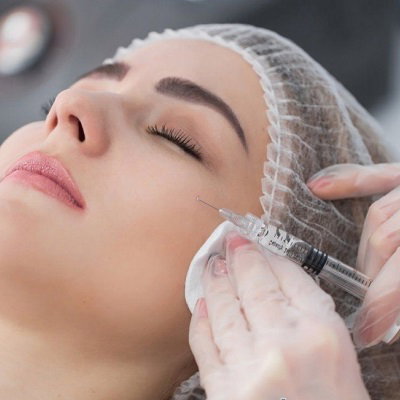
The experience can vary depending on the method of administration and the healthcare setting. Before treatment, a healthcare professional may review the person's medical history, current medications, allergies, and treatment objectives.If an injectable treatment is considered appropriate, the healthcare professional uses sterile equipment and an appropriate administration technique. Intravenous administration generally involves delivering the solution into a vein, while other injection methods may involve different routes.The treatment itself may take varying amounts of time depending on the administration method and the individual's circumstances. Some people may experience temporary discomfort at the injection site.After treatment, most people can usually resume normal activities unless the healthcare professional recommends otherwise. It is important to follow any aftercare instructions and report unusual or persistent symptoms.Repeated treatments may be suggested in some aesthetic or wellness programs. However, the ideal frequency and duration should not be assumed to be the same for everyone. A healthcare professional should determine whether ongoing treatment is appropriate.
Are Glutathione Injections Safe?
Safety is one of the most important considerations before receiving injectable glutathione. Although glutathione itself is a naturally occurring substance, an injectable treatment is still a medical procedure and should be approached accordingly.Potential side effects may include discomfort, redness, swelling, or irritation around the injection site. Depending on the individual and the circumstances, other reactions may occur.More serious concerns can arise when injectable products are improperly prepared, contaminated, administered incorrectly, or used without appropriate medical supervision. This is why treatment should be provided in a legitimate healthcare environment by appropriately qualified professionals.People with existing medical conditions, allergies, or those taking medications should disclose this information before treatment. Pregnant or breastfeeding individuals should also seek appropriate medical advice before considering supplementation.Another important consideration is product quality. Injectable substances should come from reliable sources and be handled according to appropriate medical and sterile procedures.Anyone experiencing symptoms such as difficulty breathing, severe dizziness, widespread rash, significant swelling, or other concerning symptoms after an injection should seek prompt medical attention.
Choosing Glutathione Injections in Muscat
For individuals searching for Glutathione Injections in Muscat, choosing treatment based on safety and medical suitability is more important than selecting an option based solely on promotional claims.A reputable healthcare setting should provide clear information about the treatment, its intended purpose, possible risks, and realistic expectations. The healthcare professional should also be willing to explain whether the available evidence supports the proposed use.Questions about the formulation, administration method, treatment schedule, possible side effects, and aftercare can help a person make a more informed decision.It is also worth remembering that skin pigmentation and complexion can be influenced by many factors, including sun exposure, hormones, genetics, inflammation, and certain medications. If the primary concern is pigmentation, identifying its underlying cause can be more useful than simply pursuing an injectable antioxidant.Sun protection is particularly important for people concerned about uneven pigmentation or skin tone. A broad-spectrum sunscreen, appropriate skincare, and treatment of underlying skin conditions may form a more comprehensive approach.Most importantly, glutathione injections should be considered as one possible treatment option rather than a universal wellness or beauty solution.
Final Thoughts
Glutathione is a naturally occurring antioxidant with important functions in the body. Glutathione injections are designed to increase glutathione availability through injectable administration, and they are sometimes used in wellness and aesthetic settings.Interest in Glutathione Injections in Muscat may continue to grow as people explore options for antioxidant support and cosmetic skin concerns. However, the scientific evidence does not support treating glutathione injections as a guaranteed solution for skin lightening, detoxification, or general health improvement.Anyone considering the treatment can benefit from discussing their goals and medical history with a qualified healthcare professional. Understanding both the potential benefits and the limitations of the available evidence can help ensure that treatment decisions are realistic, informed, and focused on safety.
FAQs
1. What are glutathione injections used for?
Glutathione injections are commonly discussed for antioxidant support and aesthetic purposes, particularly concerns related to skin appearance. However, evidence for some cosmetic uses remains limited, and results can vary considerably between individuals.
2. Do glutathione injections permanently lighten the skin?
There is not enough strong evidence to conclude that glutathione injections permanently lighten skin. Any change in pigmentation may vary between individuals, and claims of permanent skin whitening should be approached cautiously.
3. Are glutathione injections safe for everyone?
No treatment is appropriate for everyone. Injectable glutathione may carry risks, particularly if it is administered incorrectly or if the product is not handled appropriately. A healthcare professional should assess individual suitability before treatment.
4. How often are glutathione injections needed?
There is no universally appropriate schedule for everyone. Frequency depends on the reason for treatment, the administration method, the individual's health, and the healthcare professional's assessment.
5. How quickly can results appear?
The timing and degree of any noticeable result can vary. Cosmetic effects are not guaranteed, and there is limited evidence for predicting exactly when an individual will notice a change.
6. What should someone consider before receiving glutathione injections in Muscat?
The individual should consider the purpose of treatment, available scientific evidence, potential risks, product quality, administration practices, medical history, and realistic expectations. A qualified healthcare professional can help determine whether the treatment is appropriate.
Read More About Glutathione Injections: https://www.linkedin.com/pulse/can-hydration-make-difference-double-chin-removal-esha-esha-nasir-petuf
